Gold crossed $4,187 an ounce on Friday, a 4.10 percent single-session gain that has now pushed the metal to levels that would have seemed implausible two years ago. At the same time, the S&P 500 sits at 7,483 and the Nasdaq Composite at 25,833, both up sharply on the day. For Doha residents with savings parked in local bank accounts earning modest returns, the question is no longer whether global markets are moving. It is whether they are positioned to benefit from them.
The answer, for a growing number of Qatar-based investors, is yes. Wealth managers at Qatar Financial Centre-licensed firms have reported a measurable uptick in interest from both Qatari nationals and long-term expatriates seeking to shift idle riyals into diversified global portfolios. The QR peg to the US dollar, held at 3.64 since 1995, means currency risk on dollar-denominated assets is effectively zero for Doha-based holders. When the S&P 500 gains 1.71 percent in a day, a Doha investor in a QFC-domiciled S&P index fund captures that move without a dirham of foreign exchange friction.
The Oil Warning and What It Means for Budgets
WTI crude fell 2.78 percent to $68.78 a barrel on Friday, continuing a softening trend that carries real consequences for Qatar's fiscal backdrop and, indirectly, for the cost of living here. Qatar's government revenues remain linked to hydrocarbon exports, including LNG priced on oil-linked formulas. A sustained period of sub-$70 crude would eventually pressure the generous fuel subsidies and utility cost structures that make Doha's cost of living more manageable than its Gulf peers. Prudent household budgeting should not assume those structural supports are permanent.
That caveat matters most for mortgage holders. Qatar's home finance market has expanded significantly since the 2022 World Cup, with banks including Qatar Islamic Bank and Commercial Bank of Qatar offering Sharia-compliant murabaha and ijara structures. Variable-rate products have been attractive during the current rate environment, but households carrying large home finance balances should use this period of relative calm to stress-test their monthly obligations against a scenario in which government utility subsidies narrow. A family spending QR 4,000 a month on rent or finance repayments in a mid-tier apartment in Lusail or The Pearl today could find that figure rising meaningfully within 18 to 24 months if energy pass-through costs shift.
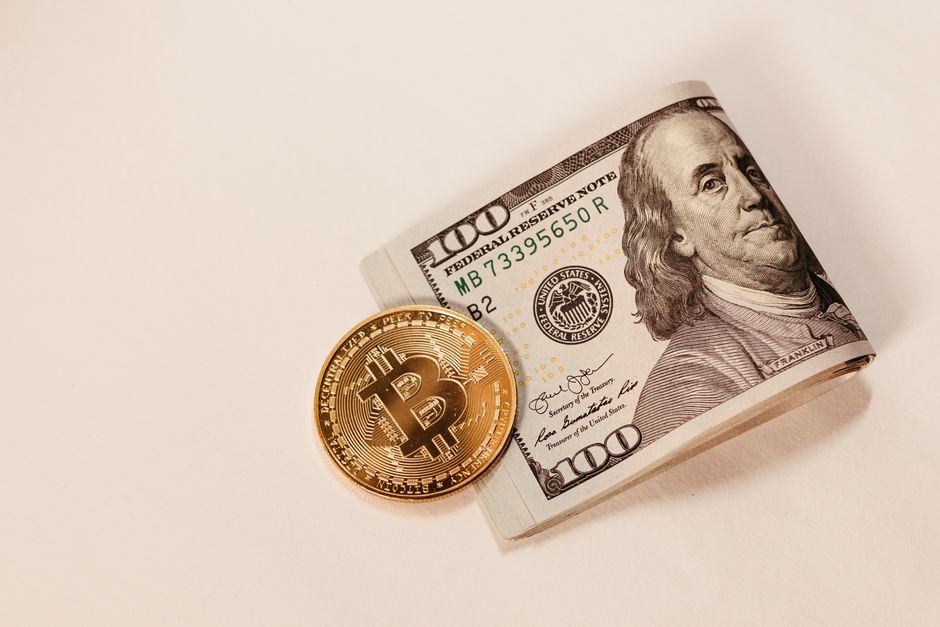
Bitcoin's 6.66 percent surge to $62,456 on Friday is worth noting for a different reason. Digital asset adoption among younger Doha professionals, particularly those remitting money to South Asian and Levantine home countries, has accelerated. Several local exchange platforms operating under QFMA oversight now offer regulated on-ramps. The volatility cuts both ways, and Bitcoin at $62,456 remains well below its prior cycle highs, but for anyone using it as a remittance rail rather than a speculative hold, the practical costs have fallen substantially. The EUR/USD rate at 1.1440, up 0.47 percent, also matters for the significant number of Doha residents with financial ties to the eurozone, whether through property in France, Spain or Germany or through euro-denominated pension entitlements.
Where the Savings Opportunity Is Clearest
The clearest opportunity right now sits at the intersection of strong US equity momentum and Doha's dollar-pegged savings environment. A resident contributing monthly to a globally diversified portfolio through a QFC-regulated platform, or through an employer group savings scheme such as those offered by HSBC or Standard Chartered in Qatar, has seen the purchasing power of those contributions compound at a rate that fixed-deposit accounts cannot approach. Qatar National Bank's standard term deposit rates, while competitive by regional standards, have lagged the total return on a simple S&P 500 tracker by a wide margin over the past 18 months.
For those not yet invested, the decision is harder today than it was 12 months ago, precisely because valuations are higher. But the structural argument for Doha-based savers remains intact. No currency risk on US assets, zero capital gains tax, no personal income tax, and a QFC framework that now hosts more than 1,000 licensed firms offering genuine product breadth. The gold price at $4,187 also suggests that at least part of the market is pricing in continued dollar debasement, which reinforces the case for holding real assets or equity stakes rather than keeping large cash balances in current accounts. Diversification across gold, broad equities and short-duration bonds, calibrated to individual risk tolerance, is the framework that serious Doha-based advisers are putting in front of clients this July.