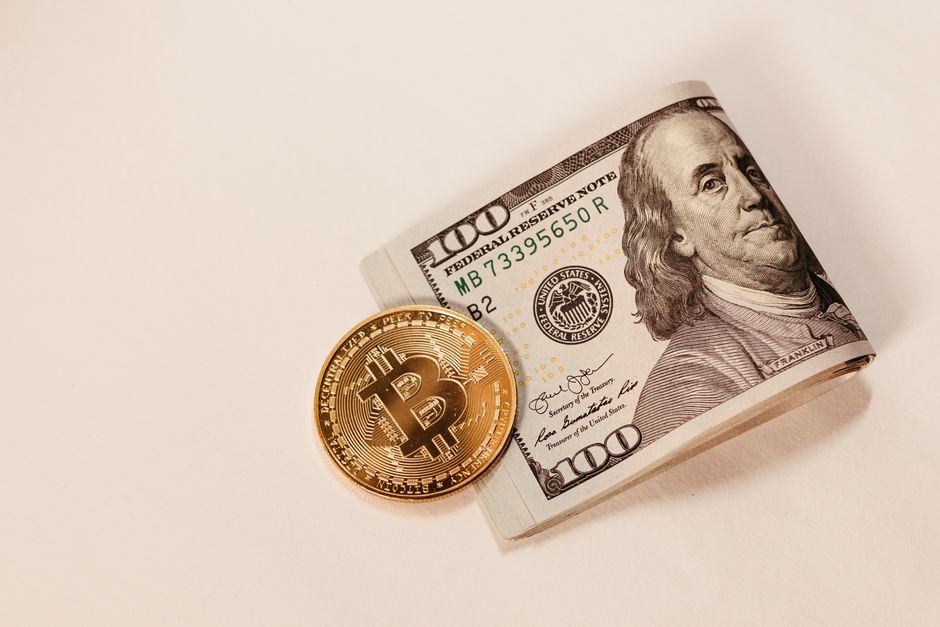
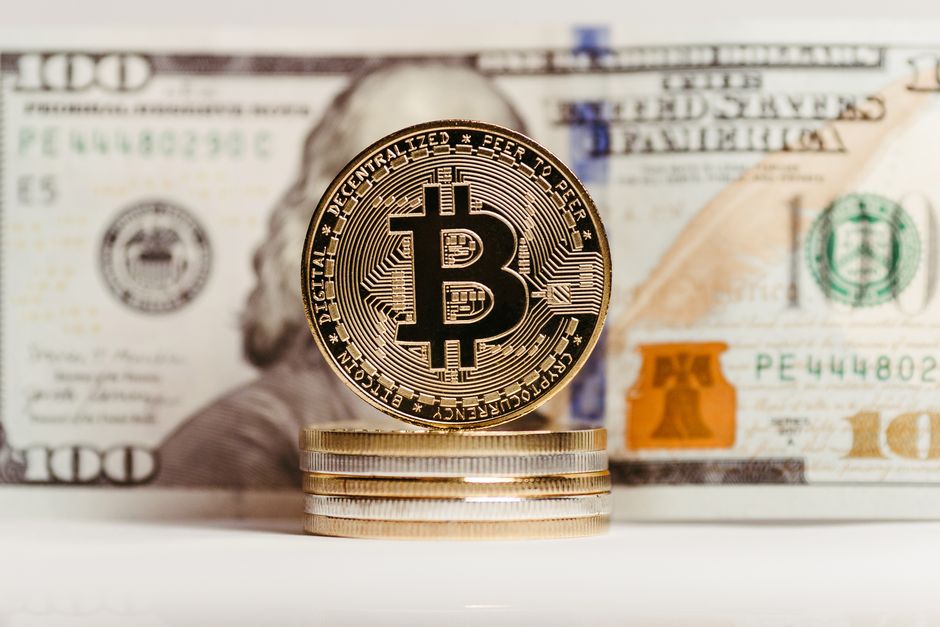
Gold crossed $4,187 an ounce on Friday, up 4.1 percent in a single session, while the S&P 500 climbed to 7,483 and Bitcoin jumped 6.66 percent to $62,456. For Doha investors watching their savings from afar, the day's price action carried a pointed message: the old assumption that cash deposits and a handful of regional equities constitute a retirement strategy is no longer defensible.
Tariq Al-Mansouri, founder of Doha-based Mawwal Wealth Consultancy, has been making exactly that argument to clients for the better part of three years. His firm, which opened its Qatar Financial Centre-licensed office in 2023, now manages diversified retirement planning mandates for roughly 140 Qatari and expatriate families. Al-Mansouri declined to provide assets-under-management figures, but described the book as growing at double-digit percentage rates each quarter, driven largely by word of mouth among the capital's professional class. "Most of our new clients come in holding 70 percent or more of their savings in a single currency or a single bank," he said in an interview this week at his office near the QFC Tower in West Bay. "That is not a plan. That is a hope."
The Local Gap in Retirement Planning
Qatar has no mandatory private-sector pension system equivalent to those found in Western markets. The General Retirement and Social Insurance Authority covers Qatari nationals employed by the state, but private-sector workers, and particularly the large expatriate workforce that drives much of the economy, are left to self-fund. End-of-service gratuity payments, mandated under Qatar Labour Law, provide a floor but rarely a comfortable one: a worker on a five-year contract earning QR 15,000 a month leaves with roughly QR 75,000 before taxes, a sum that evaporates quickly in retirement. Al-Mansouri's pitch to clients is that this gap is not a bureaucratic problem waiting to be solved by Doha; it is a personal financial emergency that requires immediate action.
His firm's model portfolio for a 40-year-old Qatari professional currently allocates 25 percent to global equities through low-cost index funds tracking the S&P 500 and the Nasdaq Composite, 20 percent to physical gold and gold-backed instruments, 15 percent to sukuk and investment-grade bonds, 15 percent to Qatar Exchange-listed blue chips including Qatar National Bank and Industries Qatar, and the remainder split between real estate investment trusts and a liquidity buffer. The allocation to gold, once controversial with more conservative clients, has become a calling card. Gold has risen more than 30 percent since the start of 2025 in dollar terms, and with the dollar itself under pressure, the EUR/USD rate sitting at 1.1440 on Friday underscoring the greenback's softness, that allocation has done considerable work.
Bitcoin's surge to $62,456, a gain of nearly 7 percent in Friday's session alone, has prompted fresh questions from younger clients. Al-Mansouri is cautious. Mawwal permits a maximum 5 percent allocation to digital assets for clients who explicitly request it and can demonstrate they understand the volatility. "We are not telling anyone to avoid it," he said. "We are telling them it cannot be the plan." That discipline has helped the firm avoid the whiplash that hit retail investors in previous crypto cycles.
Crude oil's slide to $68.78 a barrel, down 2.78 percent on Friday, is a reminder of the specific risk facing Qatari savers. The national economy, and indirectly the Doha real estate and equity markets, remains sensitive to hydrocarbons revenues even as Qatar Petroleum, now branded QatarEnergy, diversifies aggressively into liquefied natural gas. Clients with heavy exposure to energy-linked local stocks were warned earlier this year to trim that concentration. Those who listened have had a quieter quarter.
Al-Mansouri's broader argument is structural. He points to the QFC's 2025 regulatory updates, which lowered the minimum threshold for professional investor classification and expanded the range of permissible fund structures available to local wealth managers. Those changes made it meaningfully easier for a mid-income Qatari family to access the same diversified instruments that were previously the preserve of high-net-worth clients with relationships at international private banks in Geneva or Singapore. "The tools exist now," he said. "The barrier is education and inertia, not regulation."
Friday's market session illustrated both the opportunity and the danger facing anyone who stays on the sidelines. The S&P 500 at 7,483 and the Nasdaq at 25,833 represent significant gains for those already positioned in global equities. For Doha savers still parked in current accounts earning sub-inflation returns, each passing quarter compounds the distance they have to close. Al-Mansouri's unsentimental summary of the situation: "The market does not wait for you to feel ready."