Gold hit $4,187 a troy ounce on Friday, a single-day gain of 4.1% that has not gone unnoticed in the dealing rooms along Grand Hamad Avenue. At the same time, West Texas Intermediate crude fell to $68.78 a barrel, shedding 2.78% and dragging energy sentiment lower just as Doha's listed hydrocarbon majors prepare for mid-year earnings season. The two moves pulled in opposite directions and together they crystallise the central tension facing Qatar-based investors right now: the global economy is sending contradictory signals, and local portfolios heavily weighted toward energy revenues are caught in the middle.
The equity picture out of New York offered some relief. The S&P 500 closed at 7,483, up 1.71% on the session, while the Nasdaq Composite added 1.87% to finish at 25,833, carried higher by technology and semiconductor names that have little direct corollary on the Qatar Stock Exchange but matter greatly to Qatari institutional funds with overseas allocations. The QIA and a number of pension vehicles connected to large state employers have material exposure to US equities through index-tracking mandates and direct stakes. A Wall Street session of that magnitude adds measurable value to those positions, at least on paper.
The currency arithmetic also shifted on Friday. The euro gained 0.47% against the dollar, reaching 1.1440. Because the Qatari riyal is pegged to the US dollar at 3.64, a softer greenback is a quiet tax on purchasing power for any Doha-based fund holding euro-denominated assets, European real estate or Frankfurt-listed equities. The peg itself is not under any pressure, but the composition of overseas portfolios matters more than it did a year ago now that the dollar has given back significant ground against major currencies.
What the Oil Drop Means for Doha's Fiscal Arithmetic
The crude slide is the number that will concentrate minds at the Ministry of Finance. Qatar's fiscal breakeven oil price has been estimated by the IMF at somewhere in the low-to-mid $50s per barrel range, so $68.78 still leaves a comfortable buffer, but the direction of travel is what traders watch. WTI has retreated sharply since the spring, pressured by softening demand signals from China and a gradual unwinding of OPEC-plus production cuts that several member states have quietly accelerated. QatarEnergy, which underpins the country's export revenues and indirectly supports valuations across the broader QSE, will face analyst scrutiny if crude continues to drift. Petrochemicals margins, already compressed by feedstock costs and Asian competition, offer little cushion if the top line weakens.
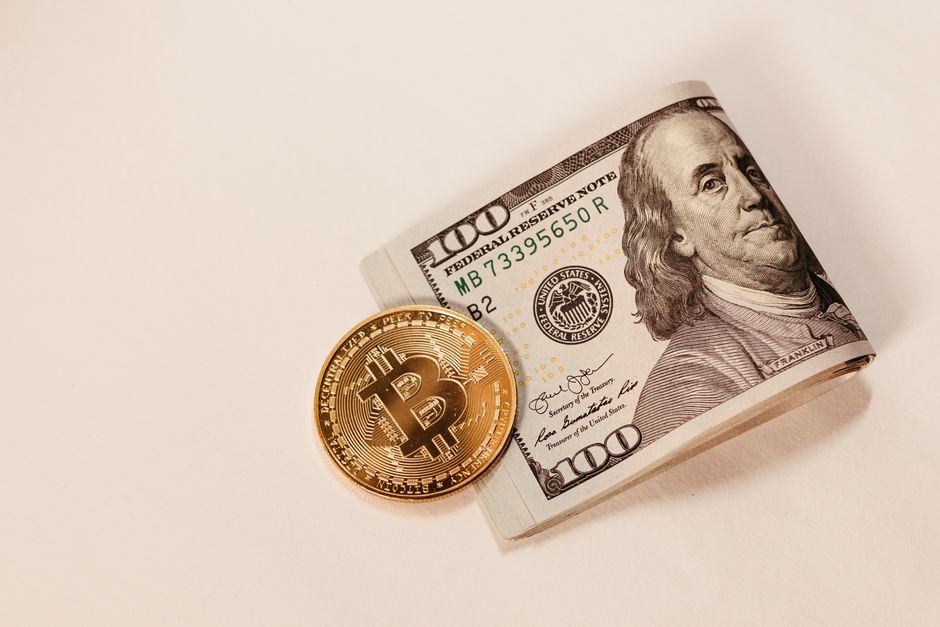
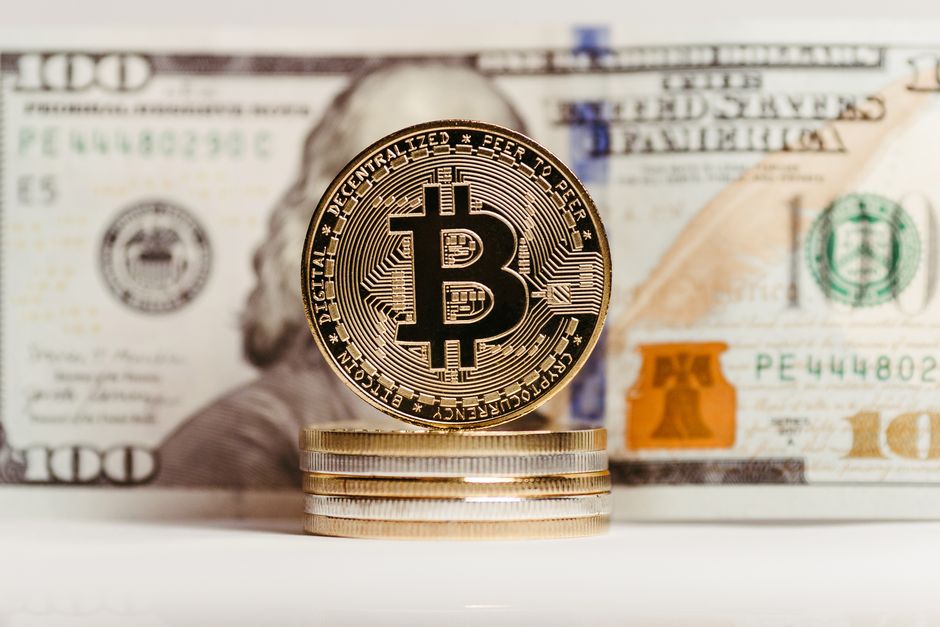
Bitcoin's jump to $62,456, a gain of 6.66% in the session, is worth a brief note for Doha readers even if it remains a peripheral asset class locally. The Qatar Financial Centre has in recent months clarified its regulatory posture toward digital assets, stopping well short of the permissive frameworks adopted in Dubai but signalling openness to institutional-grade custody and tokenisation products. A rally of that magnitude in a single day keeps the pressure on regional regulators to define their boundaries more precisely, particularly as global asset managers pitch crypto-adjacent products to Gulf sovereign and family-office clients.
The gold story may be the most durable theme for local savers. Physical gold ownership remains culturally embedded in Qatar, and the Souq Waqif gold market has historically tracked spot prices closely. At $4,187 an ounce, anyone who bought bullion or gold-backed instruments in the first quarter of 2025, when prices were still trading in the mid-$2,000s, is sitting on extraordinary gains. For those still considering an entry, the risk calculus has changed entirely. Gold at these levels is no longer a cheap hedge; it is a momentum trade, and momentum trades reverse.
The broader read for Doha-based investors heading into the second half of 2026 is that correlation between asset classes is breaking down. Equities rose sharply, crude fell sharply, gold surged, and Bitcoin rallied, all on the same day. That kind of dispersion rewards diversification and punishes concentrated bets. Qatar's domestic market remains relatively insulated by the riyal peg, government spending commitments tied to the National Vision 2030 infrastructure pipeline, and LNG contract revenues that are largely oil-price-indexed with a lag. But insulation is not immunity. The afternoon's trading in New York and London is already the morning's context in Doha, and Friday's numbers demand attention.