Gold hit $4,187 a troy ounce on Friday, up 4.10 percent in a single session, while WTI crude fell to $68.78 a barrel, a drop of 2.78 percent that pushed the energy complex into uncomfortable territory for a Gulf economy still calibrated around a higher oil price. The S&P 500 climbed to 7,483 and the Nasdaq Composite reached 25,833, both posting their strongest single-day gains in weeks. For Doha investors watching global equity portfolios and local pension allocations, the session crystallised a tension that has been building all year: the old hierarchy of commodities is shifting, and the job market in Qatar is shifting with it.
The numbers matter locally because Qatar's sovereign wealth machinery and its listed financial institutions remain heavily exposed to energy revenues. When crude slides toward the high $60s, budget planners at the Ministry of Finance face a quiet but real pressure on the fiscal surplus that has underpinned public-sector hiring for the better part of two decades. The Qatar National Budget for fiscal year 2026 was drawn up on a conservative oil price assumption, which provides some buffer, but sustained weakness in crude narrows the room for discretionary wage growth in government-linked entities, from Qatar Petroleum subsidiaries to Qatar Airways ancillary operations.
Finance and Tech Talent Fill the Gap
The flip side of the oil story is the gold story, and on that front Doha's financial sector is moving quickly. The Qatar Financial Centre now hosts more than 1,000 registered firms, a figure that has grown steadily over the past three years, and the profile of those firms is changing. Asset managers, family offices, and digital-asset platforms are recruiting professionals who understand alternative stores of value, structured products linked to commodities, and portfolio hedging strategies. A gold price above $4,000 is not an abstraction for these employers; it is a live argument for expanding the teams that manage bullion-linked exposure and hard-asset allocations.
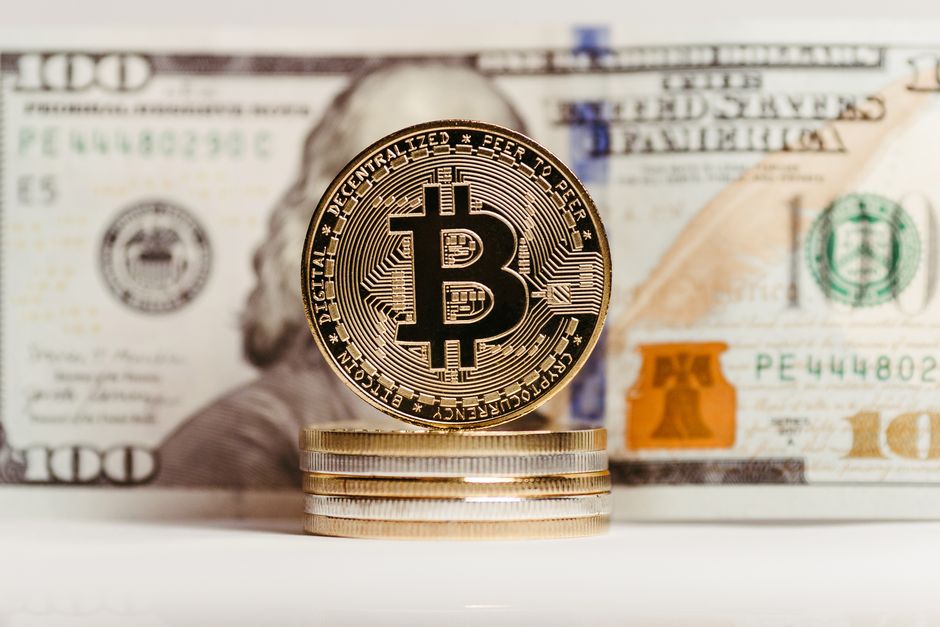
Bitcoin's move to $62,456, a gain of 6.66 percent on the day, adds another dimension. Regulated digital-asset activity has expanded at the QFC since the Authority issued its digital asset framework in 2024, and compliance officers, blockchain analysts, and structured-product lawyers are among the most sought-after hires in West Bay right now. Salaries in this segment have risen sharply relative to traditional banking roles, creating a noticeable internal tension inside Qatari financial institutions that are trying to retain mid-career bankers who are being approached by crypto-adjacent platforms with significantly richer packages.
The euro's move to 1.1440 against the dollar, up 0.47 percent, is worth watching for a different reason. A stronger euro raises the cost of attracting European talent to Doha on dollar-denominated contracts, which remain the standard for most QFC-registered employers. Human resources teams at several Doha-based asset managers have flagged that European candidates, particularly from Frankfurt and Paris, are increasingly negotiating euro-adjusted benchmarks or requesting cost-of-living supplements that did not appear in contract discussions two years ago. That adds friction and cost to an already competitive international recruitment market.
On the local listings side, Qatar Exchange-listed banks have generally held up well relative to the energy majors this week, reflecting the broader global pattern in which financial stocks have outperformed pure commodity plays. Qatar National Bank and Commercial Bank of Qatar derive meaningful fee income from trade finance, wealth management, and retail lending that is at least partially insulated from crude price swings. Analysts have pointed to both institutions as structural beneficiaries of Qatar's push to diversify its economy under the National Vision 2030 programme, which explicitly targets a larger private-sector workforce and a reduced dependency on hydrocarbon revenues.
Budget arithmetic is the thread connecting all of this. If oil holds in the upper $60s through the second half of 2026, the public wage bill becomes harder to grow without drawing on reserves. That creates an opening for private and semi-private employers, who can move faster on compensation than ministries can. Recruiters operating across the GCC describe Doha as a market where private-sector salaries in finance, technology, and project management are closing the historical gap with public-sector packages, a shift that accelerates whenever oil softens and fiscal conservatism tightens government payrolls.
For Doha residents managing household budgets, the practical read is this: pension fund statements tied to global equity indices will look healthier after Friday's session, but anyone employed in or adjacent to the upstream energy sector should watch the oil price closely over the next two quarters. The talent market is not contracting, but it is rebalancing, toward skills that serve a diversified financial centre rather than a petro-economy. The firms hiring most aggressively in Doha right now are not the ones with "Energy" in their name.