Gold hit $4,187 per troy ounce on Saturday, a single-session gain of 4.10 percent that has pushed the metal to levels few analysts predicted even six months ago. That move matters to Doha in ways that go well beyond a trading screen. For Qatari businesses pricing contracts in dollars, for households holding dollar-linked riyals, and for anyone carrying a floating-rate mortgage through one of Qatar's major commercial lenders, the signals embedded in today's session are worth reading carefully before the working week begins.
West Texas Intermediate crude fell to $68.78 a barrel, a drop of 2.78 percent on the day. Oil prices at this level have not been comfortable territory for Gulf budgets. Qatar's fiscal breakeven is generally estimated to sit meaningfully above current spot prices, which puts pressure on government spending assumptions and, downstream, on the business confidence that drives commercial real estate demand, retail footfall and private-sector hiring across Doha. Small and medium enterprises relying on government procurement contracts or public-sector clients should be stress-testing their revenue pipelines against a prolonged period of sub-$70 crude.
What the Dollar Slide Means for Importers and Mortgage Holders
The euro gained 0.47 percent against the dollar on Saturday, reaching 1.1440, extending a trend that has seen the greenback soften against major peers through much of the second quarter of 2026. Because the Qatari riyal is pegged to the dollar at 3.64, a weaker dollar translates directly into higher costs for goods priced in euros, sterling or Swiss francs. Doha businesses importing European capital equipment, food products or luxury retail inventory are effectively paying more this quarter than they budgeted at the start of the year. Those costs filter through to consumer prices. Businesses with unhedged euro-denominated payables should be reviewing their treasury positions immediately.
Mortgage holders in Qatar should take note of the broader rate environment. The riyal peg means Qatar's Qatar Central Bank tracks US Federal Reserve policy closely, and global markets are currently pricing in a shifting rate trajectory as gold's surge signals investors are hedging against both inflation and geopolitical uncertainty. Homeowners on variable-rate products from lenders such as Qatar National Bank or Commercial Bank should model their repayments against a scenario where relief on borrowing costs arrives later than expected. Fixed-rate products, where available through local Islamic finance structures, look comparatively attractive right now.
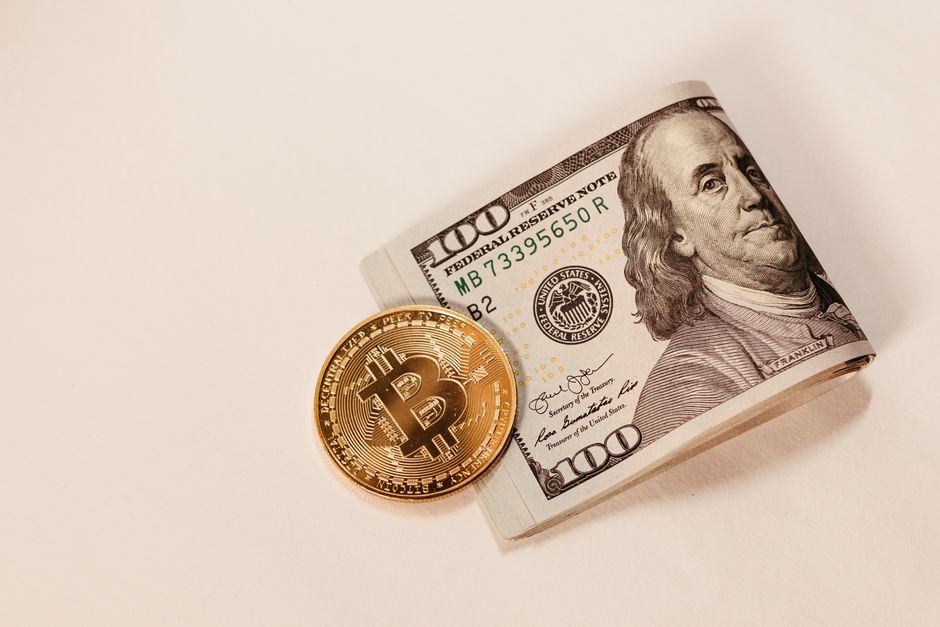
Bitcoin jumped 6.66 percent to $62,456 on Saturday. The move is notable partly because it happened simultaneously with gold's rally, both assets typically associated with risk-off or dollar-skeptical positioning, yet the equity markets also rallied hard: the S&P 500 gained 1.71 percent to 7,483, while the Nasdaq Composite climbed 1.87 percent to 25,833. That unusual combination, gold up sharply, tech up sharply, crypto up sharply, oil down, suggests markets are not pricing a single clean narrative. Investors appear to be hedging in multiple directions at once. For Doha residents with exposure to global equity funds through pension arrangements or private wealth accounts, the headline index gains look reassuring, but the divergence between sectors and asset classes beneath the surface warrants scrutiny.
For household budgeting in Doha specifically, the oil price is the number that commands the most attention. Qatar's economy has diversified considerably since the 2014 oil shock, with LNG revenues, sovereign wealth assets at the Qatar Investment Authority and a construction legacy from the FIFA World Cup providing multiple income streams. But private-sector employment, particularly in hospitality, retail and professional services, remains sensitive to the confidence effects of a sustained oil slide. Families who took on larger apartment leases or car loans in 2025, when sentiment was stronger, should be building buffer savings now rather than waiting. The conventional advice of maintaining three to six months of living expenses in a liquid, low-risk account is more pertinent today than it was twelve months ago.
Businesses operating in Doha's retail and food-and-beverage sectors face a specific squeeze. Input costs remain elevated by the currency dynamics described above, while consumer spending confidence is likely to soften if oil prices stay depressed and the labour market cools at the margins. Operators who repriced menus or service fees upward in late 2025 may find resistance at those levels through the second half of 2026. The businesses best positioned are those that locked in supplier contracts at fixed prices before the dollar weakened, and that have kept their debt structures conservative. Saturday's market session did not resolve the uncertainty; it amplified it. Sitting still is the one strategy that is clearly not available.