Gold hit $4,187 per troy ounce on Friday, up more than four percent in a single session, and that number matters to Doha residents in ways that go well beyond jewellery. The metal's surge reflects a broad flight to safety, driven by unease over the durability of global growth and the dollar's continued softening against major currencies. The euro bought $1.1440 on Saturday morning Doha time, its highest level in months. For households here that import consumer goods priced in dollars or euros — electronics, food, vehicles — the currency arithmetic is shifting, and not always in their favour.
WTI crude fell to $68.78 a barrel, down nearly three percent on the day. That sounds like relief at the petrol pump, and for Doha drivers it will eventually filter through to fuel prices. But the bigger story for Qatar is what a sustained sub-$70 oil price does to fiscal sentiment. Government spending intentions, public-sector hiring cycles and the downstream confidence that feeds the local property market are all sensitive to where Gulf energy revenues are heading. Analysts who watch the Qatar Exchange note that energy-linked listings have faced headwinds this year as oil has retreated from the highs seen in early 2025.
Mortgages, Rents and the Cost of Staying Put
The Doha residential market enters the second half of 2026 in an uncomfortable position. Fixed-rate mortgage products linked to QIBOR remain elevated relative to the lows of three years ago, and variable-rate borrowers who took on Lusail or Pearl-area apartments at peak 2023 valuations are feeling the squeeze. Lenders at Qatar National Bank and its peers have not materially loosened credit conditions, and the consensus among local brokers is that affordability ratios have worsened for mid-income households earning between QAR 15,000 and QAR 25,000 per month. First-time buyers, particularly younger expatriate professionals, are increasingly priced out of ownership and cycling back into a rental market where West Bay one-bedrooms have held stubbornly above QAR 7,000 per month.
Savings rates at local banks have improved modestly compared with 2023, tracking the global rate environment, but they still trail inflation as measured by Qatar's Consumer Price Index. The practical consequence: a family keeping QAR 50,000 in a standard savings account is losing purchasing power in real terms every quarter. The better-positioned households are those who have moved idle cash into treasury-linked products, short-duration sukuk or dollar-denominated deposit accounts that benefit when the greenback holds firm. With EUR/USD at 1.1440, a dollar-heavy savings position is currently losing value against euro-priced imports, but the picture shifts quickly.
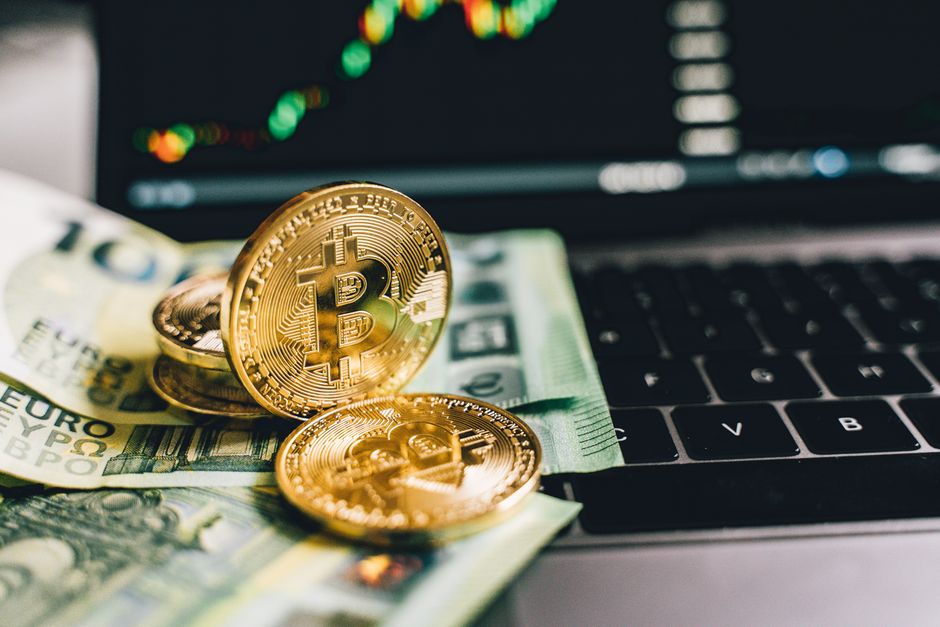
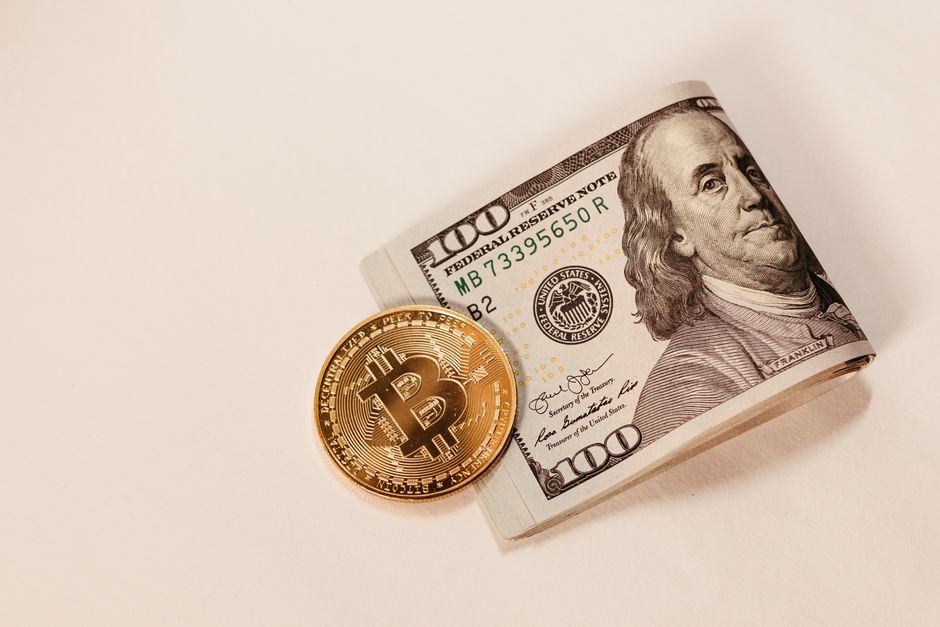
Bitcoin's jump of 6.66 percent to $62,456 on Friday will catch the attention of younger Doha investors, many of whom have maintained crypto allocations despite the asset's brutal correction from its 2024 peak. The rally is real but so is the volatility. Financial planners in the Gulf routinely advise capping speculative allocations at five to ten percent of a liquid portfolio, and Friday's move does nothing to change that guidance. The S&P 500 at 7,483, up 1.71 percent, and the Nasdaq at 25,833, up 1.87 percent, suggest that US equities are having a strong July 4th session. Doha investors with exposure through Masraf Al Rayan's fund platforms or HSBC Qatar's wealth management products will see their global equity sleeves benefit, though currency conversion back to Qatari riyals is essentially a dollar peg story given QAR's fixed rate.
Practical Steps for the Rest of 2026
Budgeting discipline matters more than usual right now. Households should map their expenditure currency by currency: school fees in QAR, streaming subscriptions and many technology purchases in USD, European holiday costs and some luxury goods in EUR. With the euro strengthening, a planned summer trip to France or Germany in August will cost materially more than budgeted in January. Families who locked in travel money earlier in the year are sitting on a small but real saving.
For those with mortgages, the question of fixing versus floating rates deserves a fresh look before the Qatar Central Bank's next policy review. If global central banks, led by the US Federal Reserve, begin cutting rates in the fourth quarter of 2026 as futures markets currently price, variable-rate products may look more attractive by year-end. But that is a conditional bet, not a certainty, and households with tight monthly cash flow should weight certainty over optionality.
The single clearest message from Friday's session is that gold's sustained climb above $4,000 per ounce reflects genuine macro anxiety. Doha savers with no hard-asset exposure should consider whether that changes their allocation calculus. A five percent position in gold-backed exchange-traded products, accessible through local brokerage accounts, offers some insulation without concentrating risk. In a year when oil slides, currencies shift and crypto swings six percent in a day, diversification is not a platitude. It is the whole point.