WTI crude settled at $68.78 a barrel on Friday, down 2.78%, extending a softening trend that has quietly eroded the fiscal arithmetic underpinning Gulf energy exporters. The drop came on a day when broader risk assets were charging higher, the S&P 500 rising 1.71% to 7,483 and the Nasdaq surging 1.87% to 25,833. That crude moved in the opposite direction to equities is not an accident. Markets are pricing a world where demand growth disappoints even as American consumers feel wealthier on paper.
For Doha readers with pension savings or direct equity holdings in energy-linked names on the Qatar Stock Exchange, the oil move is the number that matters most. Qatar's sovereign revenues remain heavily tied to hydrocarbon exports, and while LNG pricing mechanisms differ from WTI benchmarks, crude sets the directional mood. When WTI trades below $70, the budget assumptions built into QNB Group forecasts and Qatar Investment Authority allocations come under scrutiny. Analysts tracking the QSE Energy sector have noted that downstream petrochemicals companies are particularly exposed to crude feedstock economics, squeezing margins even when product demand holds firm.
The picture is made more complicated by the dollar. The euro climbed 0.47% against the dollar to 1.1440 on Friday, reflecting broad greenback softness. Since Qatar's riyal is pegged to the US dollar at 3.64, a weaker dollar has a two-sided effect locally. It makes Qatari crude and LNG receipts worth somewhat less in riyal-equivalent purchasing power terms when converted back, but it simultaneously reduces the cost of dollar-denominated imports. For Doha families paying imported food and consumer goods prices, some modest relief may filter through in coming weeks if the dollar softness persists.
Gold's Rally Signals Deeper Unease
Gold's move was the session's loudest signal. The metal climbed 4.10% to $4,187 an ounce, a level that would have seemed improbable to most commodity desks even 18 months ago. The scale of that single-day move suggests institutional money is rotating aggressively into hard assets as a hedge against something, whether that is persistent fiscal deficits in major economies, geopolitical re-escalation in the Middle East and Europe, or a growing consensus that central banks will blink on rates before inflation is fully contained.
For Doha investors, gold matters beyond portfolio allocation. The Qatar Central Bank holds gold as part of its official reserves, and a sustained rally at these levels improves the balance sheet optics of the monetary authority. Meanwhile, local gold souq volumes in the Musheireb and Souq Waqif retail districts tend to respond with a lag. Jewellery demand typically softens at these price levels, but investment bar and coin buying often accelerates as Qatari and expatriate savers treat the metal as a store of value rather than an ornament.
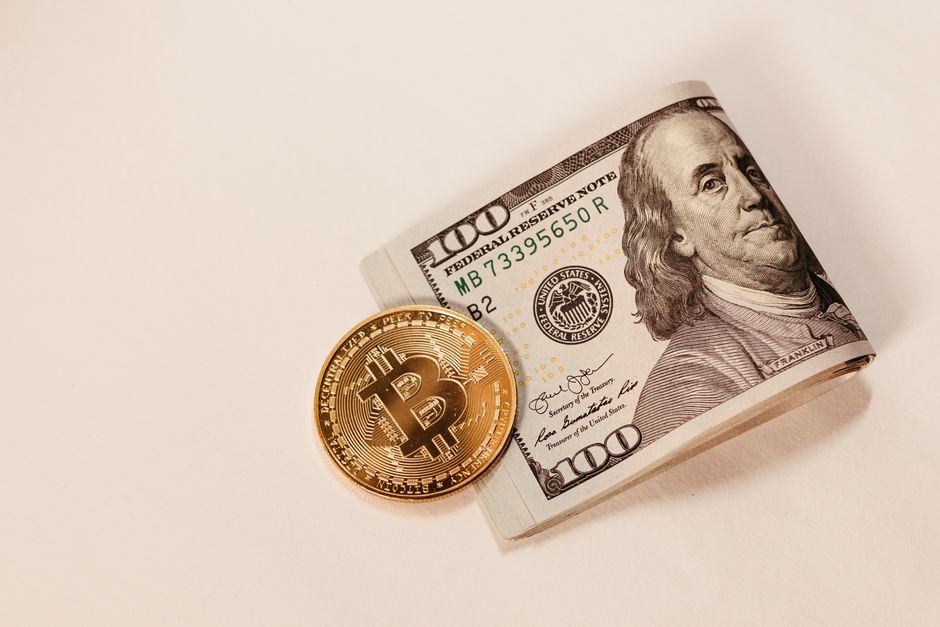
Bitcoin added 6.66% to $62,456, moving in loose sympathy with the gold trade rather than with equities, which suggests at least some of the day's buying was motivated by inflation anxiety rather than pure risk appetite. Retail participation in crypto remains significant among younger Qatari investors, and the QFC (Qatar Financial Centre) has been steadily expanding its digital asset regulatory framework throughout 2025 and into this year. A move back above $65,000 would test whether the institutional flows that drove Bitcoin's earlier highs in this cycle are returning or whether Friday's pop was thinner than it appeared.
The energy market's structural concern right now is supply-side discipline inside OPEC+. The group's most recent production decision, taken at its Vienna meeting in June, left room for a gradual output increase from August. If that increase proceeds against a backdrop of softer Chinese manufacturing demand and American driving season numbers that disappointed expectations, prices could test the high $60s. Qatar Petroleum, rebranded as QatarEnergy, has a cost structure comfortable well below current prices, but the fiscal breakeven for the state budget is estimated by Gulf economists to sit meaningfully above $70, making the current price level a pressure point rather than a crisis.
The practical read for Doha investors on a Friday afternoon: energy positions deserve a tighter stop than they did six months ago; gold allocation at even a modest 5-to-10% of a diversified portfolio is performing its intended function; and the dollar softness that has pushed EUR/USD to 1.1440 warrants a review of any unhedged exposure to dollar-denominated fixed income, where currency translation gains may temporarily flatter returns. The macro picture heading into the second half of 2026 is one where the commodity that built this city is under genuine price pressure, and the assets most rewarded on Friday were those furthest from the energy complex.