Global equities surged on Friday as American markets pushed deeper into record territory, with the S&P 500 closing at 7,483, up 1.71% on the session. The Nasdaq Composite added 1.87% to reach 25,833. For investors in Doha holding positions in US-listed technology names or global equity funds benchmarked to American indices, the overnight session delivered a welcome boost heading into the weekend. The Qatar Stock Exchange, which often takes its directional cue from the prior night's Wall Street close, opened the July 4 session with a broadly positive tone, though energy-sector counters faced headwinds from a slide in crude prices that cut against the optimism.
The tension in Friday's session was not subtle. Gold climbed 4.10% to $4,187 per troy ounce, a move that stands apart from typical risk-on days when the metal tends to soften as equities attract capital. A simultaneous rally in stocks and a surge of that magnitude in gold points to investors hedging aggressively, loading up on growth assets while keeping defensive cover in place. That combination will be familiar to institutional portfolios managed out of Doha, particularly sovereign-linked funds that hold both growth equities and hard-asset positions as structural allocations. For retail investors here, the gold move is relevant directly: Qatar-listed gold-linked instruments and regional bullion dealers have seen demand build steadily across 2026, and Friday's price print gave that trend renewed momentum.
Crude's Drop Complicates the Local Picture
WTI crude fell 2.78% to $68.78 per barrel, and that number matters more to Doha than almost any other figure on the screen. Qatar's fiscal position, the profitability of QatarEnergy's downstream operations, and the dividend capacity of petrochemical names listed on the QSE all carry sensitivity to oil and gas pricing. A sustained drift toward the high $60s for WTI introduces questions about capital expenditure programmes and the pace of project sanctioning across the Gulf. Brent, which trades at a premium to WTI and is the more relevant benchmark for Qatari export grades, was not captured in Friday's snapshot but directionally followed crude lower. Investors in QSE-listed energy and industrials should note that the equity rally on Wall Street does not insulate those sectors from commodity-price pressure; the two dynamics can and did diverge sharply on Friday.
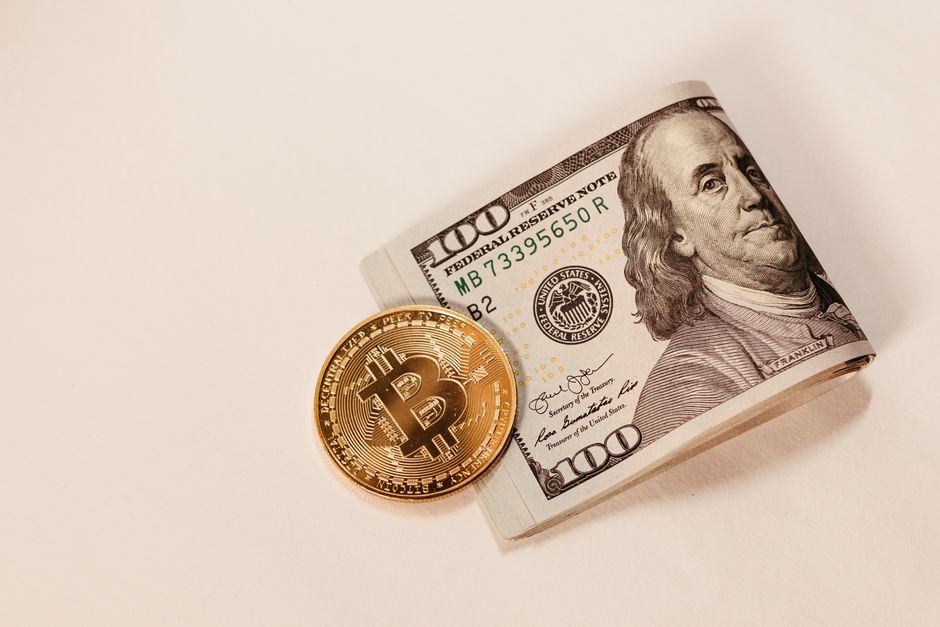
Bitcoin's 6.66% gain to $62,456 rounded out what was a volatile session across asset classes. The cryptocurrency's move came alongside the broader risk rally and likely reflected some rotation from investors who had been sitting in cash or short-duration bonds. Doha's regulatory environment around digital assets has evolved carefully over the past two years, and while retail participation in crypto remains constrained relative to regional peers, institutional and family-office exposure has grown. A move of this size in a single session reintroduces volatility that had been largely absent from Bitcoin through much of the second quarter of 2026.
Currency markets added another layer. The euro gained 0.47% against the dollar to reach 1.1440, continuing a trend that has pressured dollar-denominated returns for investors converting back into riyals, which is pegged to the US dollar at 3.64. A stronger euro relative to the dollar means European equity positions and euro-denominated bonds held by Qatari investors have posted currency-adjusted gains on top of any local market performance. That is a meaningful tailwind for Doha-based family offices that diversified into European private equity or Frankfurt-listed industrials earlier in the year.
The broader read from Friday's session is that markets are pricing in a resilient US economy while simultaneously bidding up gold as insurance against something going wrong. That is not a contradiction so much as a statement about uncertainty. Equity markets in 2026 have repeatedly demonstrated the capacity to rally even as defensive assets strengthen, and Friday's session fits that pattern precisely. For Doha investors, the practical implication is that a diversified portfolio, one holding QSE equities, some allocation to global large-caps, physical or paper gold, and limited crude-price exposure on the long side, would have performed relatively well on Friday. The energy weighting that defines so many regional portfolios is the primary drag in that scenario.
Trading volumes on the QSE on Friday were moderate, typical for the final session before the weekend in a week that saw thin participation from European counterparts ahead of the American holiday on July 4. The next meaningful catalyst for local markets will be any guidance from QatarEnergy on LNG pricing contracts and capacity updates, expected in the back half of July. Until then, Doha investors are largely passengers in a global risk environment set by Washington, Frankfurt, and whatever gold is doing at the open.