The S&P 500 closed at 7,483 on Friday, up 1.71 percent, while the Nasdaq Composite added 1.87 percent to reach 25,833. On paper, that reads as a clean risk-on session. Equity bulls are back, tech is leading, and American markets marked the Fourth of July holiday weekend on a high note. But pull back the lens and the picture gets considerably more complicated, particularly for investors in Doha managing portfolios with exposure to global equities, hydrocarbons and dollar-linked assets.
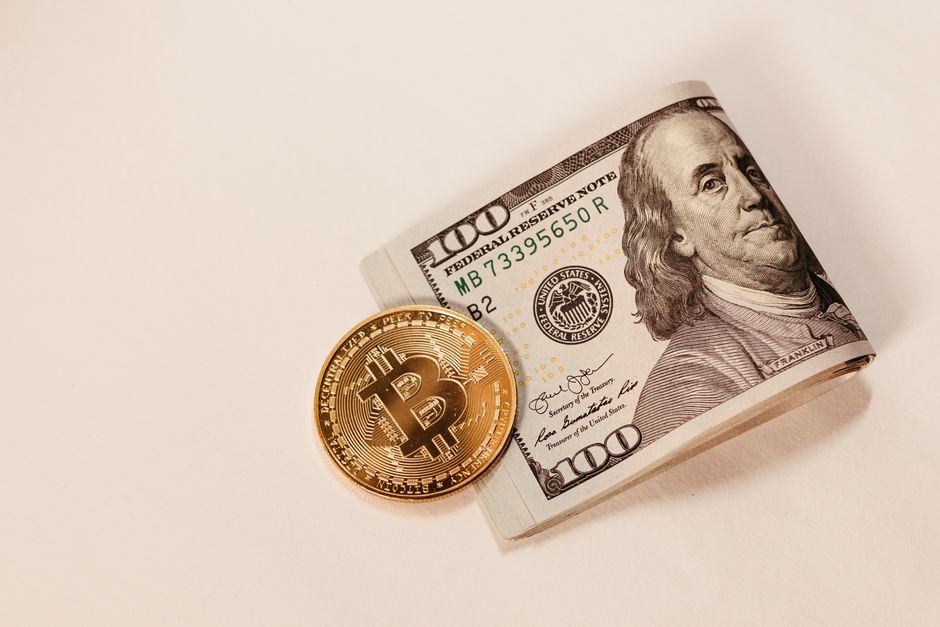
Gold climbed 4.10 percent to $4,187 per troy ounce. That is not the behaviour of a market fully at ease with itself. When equities and gold rally together with that kind of force, the signal is typically one of currency anxiety rather than genuine growth optimism. The euro gained 0.47 percent against the dollar to reach 1.1440, extending a trend of broad dollar softness that has been building through the second quarter. Bitcoin surged 6.66 percent to $62,456, adding another layer of ambiguity: speculative appetite is clearly alive, but so is the hunt for assets that sit outside the traditional dollar system.
Oil's Drop Cuts to the Heart of the Gulf Equation
For Doha readers, the number that demands the most attention is WTI crude at $68.78 per barrel, down 2.78 percent on the day. Qatar's fiscal planning and the earnings of companies listed on the Qatar Stock Exchange, particularly those in petrochemicals and energy services, remain sensitive to where crude settles over any sustained period. A single session's move rarely rewrites a budget, but the direction matters. Brent crude, which serves as the more relevant benchmark for Gulf producers, tracked broadly lower in sympathy. A prolonged stay below $70 per barrel would tighten the arithmetic for the region's hydrocarbon exporters in ways that trickle through to government spending, contracting and banking sector loan books.
The divergence between equities and commodities is not accidental. Markets appear to be pricing two scenarios simultaneously: a soft landing for the United States economy, which supports corporate earnings and therefore equities, and a slowdown in global industrial demand, which suppresses oil. The dollar's weakness stitches both narratives together. A softer dollar makes dollar-denominated commodities cheaper for foreign buyers in theory, yet oil is still falling, which suggests demand concerns are overriding any currency tailwind.
For Qatari investors holding positions in global equity funds or US-listed technology names, Friday's session was welcome. The Nasdaq's gains were broad, with semiconductor and large-cap platform companies among those that benefited from the renewed appetite for growth assets. LNG prices in Asia, which are more directly relevant to Qatar Energy's revenues than WTI, were not captured in Friday's snapshot, but the soft crude complex generally acts as a psychological ceiling on energy sector enthusiasm globally.
What the Currency Move Means for QAR-Pegged Portfolios
The Qatari riyal's peg to the US dollar at 3.64 means the EUR/USD move to 1.1440 has direct implications for any Doha-based investor or institution holding euro-denominated assets or liabilities. A stronger euro against the dollar is effectively a stronger euro against the riyal. European equities become marginally more expensive to buy and European exports marginally more competitive, which has second-order effects on companies operating across both currency zones. Doha-based family offices with positions in European real estate or listed European infrastructure funds will be tracking this cross carefully.
Bitcoin's move to $62,456 deserves a note of its own. The crypto market's 6.66 percent single-session gain reflects the same liquidity wave lifting equities, amplified by the asset class's thinner markets and higher volatility. Institutional adoption of digital assets in the Gulf has been gradual but real, with Bahrain's regulatory framework and Abu Dhabi's ADGM exchange both hosting licensed crypto activity. Doha investors who have allocated even a small slice of a diversified portfolio to digital assets will have noticed the outperformance sharply.
The honest read of Friday's global session is that it was risk-on in price but risk-hedged in composition. Equity indices surged, yet the precious metals market simultaneously recorded one of its stronger single-day performances of the year. That combination historically reflects investor uncertainty about the medium term even as they chase near-term momentum. For investors sitting in Doha on a Saturday morning reviewing their overnight positions, the practical takeaway is straightforward: the rally is real, the gains are bankable, but the gold market is telling you not to get too comfortable. Watch crude next week for the cleaner signal on where the global economy actually stands.