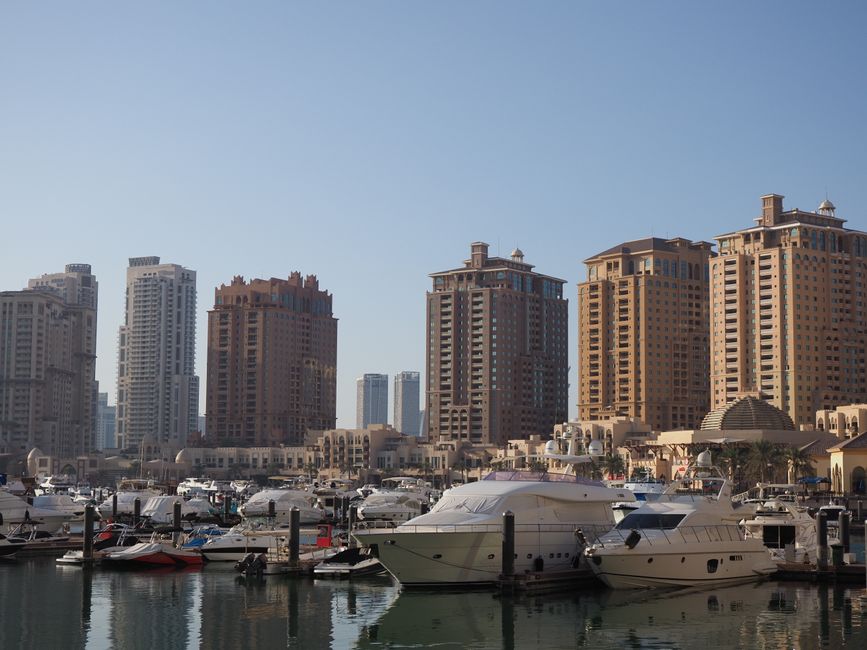
Qatar's midsummer conditions are not gentle. Outdoor temperatures in Doha topped 43°C last week, the Qatar Meteorology Department confirmed, and for anyone trying to sleep before midnight, the city's combination of residual heat, blazing artificial light and relentless urban noise creates something close to a physiological obstacle course. Sleep specialists increasingly describe this triple threat — thermal, photonic, acoustic — as the defining wellness challenge for Gulf residents every year between May and September.
The timing matters because July sits at the peak of what researchers at Weill Cornell Medicine–Qatar, located on Education City in Al Rayyan, call the «summer sleep compression window» — a period when circadian rhythms are under maximum external pressure. Melatonin production, the hormonal signal that tells the body it is time to sleep, depends heavily on darkness and a drop in core body temperature. Doha's urban environment fights both conditions simultaneously.
The Three Stressors Keeping Doha Awake
Temperature is the most immediate enemy. The human body needs its core temperature to fall by roughly 1°C to initiate deep sleep, according to research published in the journal Sleep Medicine Reviews in 2024. Residents in apartment blocks along the Corniche or in the dense residential streets of Al Mansoura report that even with air conditioning running, radiant heat absorbed by concrete walls during the day continues radiating inward past 2 a.m. Setting bedroom AC to between 18°C and 20°C is the standard clinical recommendation, but in older building stock without modern insulation — common in areas like Fereej Abdul Aziz — units simply cannot maintain that range on peak-load nights.
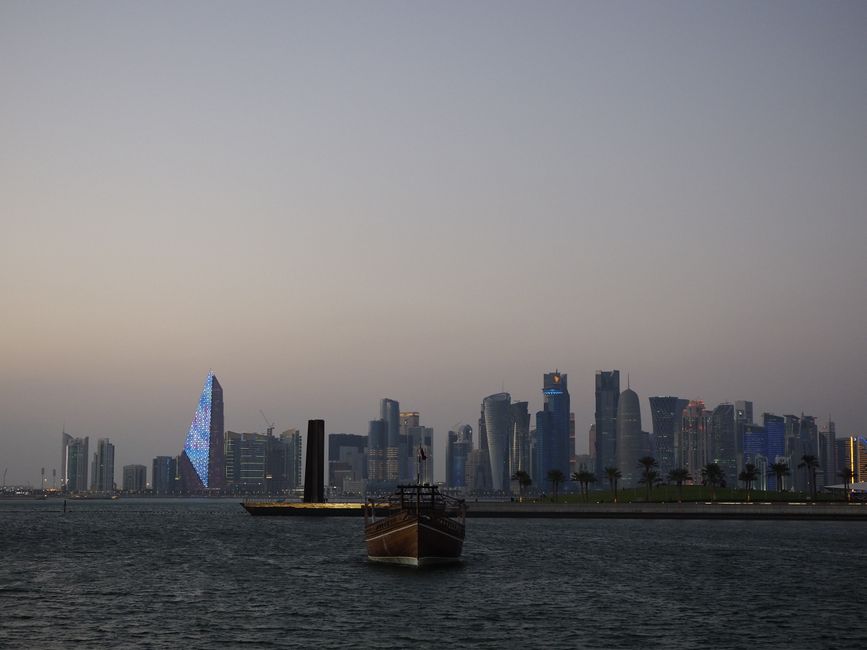
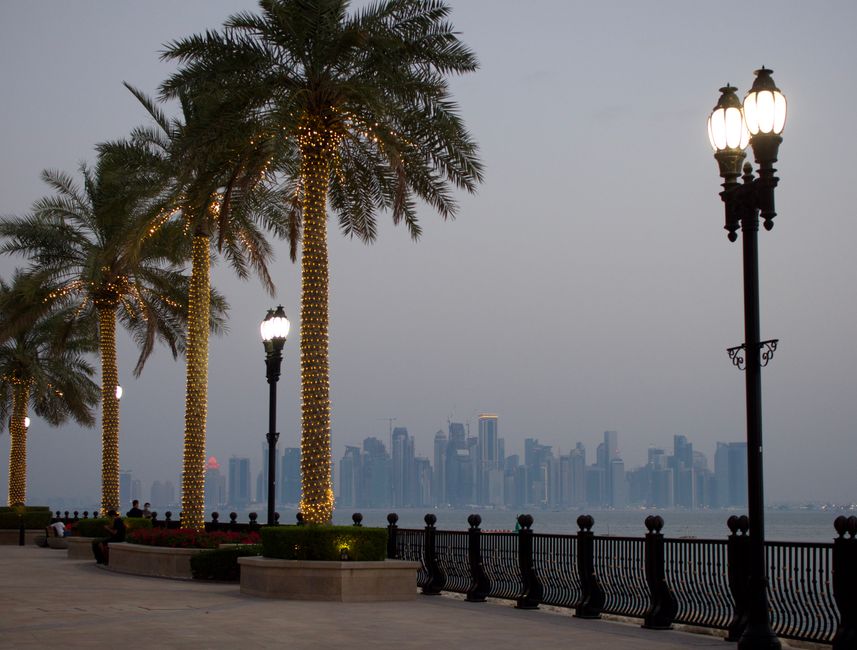
Light pollution compounds the problem. The West Bay skyline, arguably one of the most intensely illuminated urban facades in the region, bathes large swaths of northern Doha in blue-spectrum light well into the early hours. Blue light suppresses melatonin production with particular aggression. Residents in towers facing the Financial Centre Road — a stretch running from Al Dafna toward the Sheraton roundabout — often report sleeping with blackout curtains year-round, not only in summer. Exposure to even 10 lux of blue-tinted light for 90 minutes before bed has been shown in controlled trials to delay sleep onset by up to 45 minutes.
Noise is the third pillar. Construction at Lusail City's northern expansion zones operates on extended overnight schedules through the cooler nighttime hours, and traffic on Al Shamal Road rarely quiets before 1 a.m. Chronic noise above 40 decibels during sleep — a threshold easily exceeded near any major Doha arterial road — is associated with measurably higher cortisol levels and reduced time in restorative REM sleep, according to a 2023 World Health Organization environmental noise guidance update.
What Residents and Clinics Are Doing About It
The wellness industry here has noticed. The Sleep Lab at Al Ahli Hospital in Al Muntazah now runs a structured eight-week sleep optimisation program, priced at QR 2,800 for the full course, that addresses environmental modification alongside behavioural change. Coaches there advise patients to treat bedroom preparation like a ritual: cooling the room 90 minutes before intended sleep time, fitting specialist blackout liners (available at Home Centre in Landmark Mall for around QR 120–180 per panel), and using white noise applications or dedicated acoustic panels to mask exterior sound.
The Doha Sports Medicine and Wellness Centre near the Aspire Zone in Baaya has added sleep-environment consultations to its recovery program packages, reflecting a broader recognition that athletic performance and general health both depend on sleep architecture that the city's physical environment routinely disrupts.
Small interventions produce measurable results. Wearing blue-light-blocking glasses for two hours before bed, for example, has been shown in a 2022 Chronobiology International study to advance sleep onset by an average of 22 minutes in urban adults. Cooling a mattress pad to around 19°C using a water-circulating device — products starting at roughly QR 1,500 imported via Noon.com — can compensate partially when room cooling falls short. For noise, research consistently shows that pink noise — a softer, more natural sound profile than white noise — reduces sleep fragmentation more effectively than silence in loud urban environments.
Anyone experiencing persistent sleep disruption beyond two weeks should book a clinical assessment rather than rely on self-management alone. Both Hamad Medical Corporation's primary care clinics and private facilities across Doha offer sleep-disorder screening. The environmental factors are real and well-documented — but ruling out underlying conditions is the essential first step.