Journaling is having a moment in Doha, and the numbers back it up. Attendance at structured mindfulness workshops at Fit Republic in Lusail City has climbed roughly 40 percent since January, with facilitators reporting that participants consistently cite journaling exercises as the session element they continue independently at home. The practice — pen, paper, five to ten minutes — is cheap, portable, and increasingly recommended by wellness professionals as a first step toward a sustainable meditation habit.
The timing makes sense. Global conversations about hormonal health, burnout, and mental load have reached Gulf audiences in a serious way. Residents here are working longer hours, navigating a city that never quite slows down, and increasingly asking what a sustainable daily practice actually looks like — one that fits between Fajr and a 7 a.m. school run. Journaling answers that question without requiring a studio booking or a 45-minute block of silence.
Why Journaling Works as a Mindfulness Entry Point
Psychologists have long classified expressive writing as a form of structured self-reflection that activates the same prefrontal cortex engagement as formal meditation. A 2023 study published in the journal JMIR Mental Health found that participants who wrote for 15 minutes three times weekly reported a 28 percent reduction in perceived stress scores over eight weeks. That's a meaningful shift, and it requires nothing more expensive than a QR 12 notebook from Carrefour at Mall of Qatar.
The distinction between journaling and diary-keeping matters here. A diary records events. Mindfulness journaling interrogates them. Practitioners are guided to write not what happened but how it sat in the body — where tension gathered, what the mind circled back to, what felt unfinished. This is the mechanism that bridges writing to meditation: it trains attention the same way a breath-focus practice does, just through a different door.
Prompts help enormously when starting out. Three that wellness facilitators in Doha commonly use: What am I carrying into today that belongs to yesterday? / Name one sensation in your body right now and don't judge it / What would I tell a friend who felt exactly as I do this morning? The third prompt, in particular, tends to disarm the inner critic that shuts down most new journalers within a week.
Where to Build the Habit in Doha
The city has genuine infrastructure for this. Anfass Wellness Centre in West Bay runs a six-week Mindful Writing programme — the next cohort begins August 3, priced at QR 850 for the full course — that combines breathwork with guided journaling sessions. Participants keep a dedicated journal throughout and leave with a personal practice mapped to their own stress patterns. The programme is capped at 12 participants per cohort, and the July session sold out within four days of opening registration.
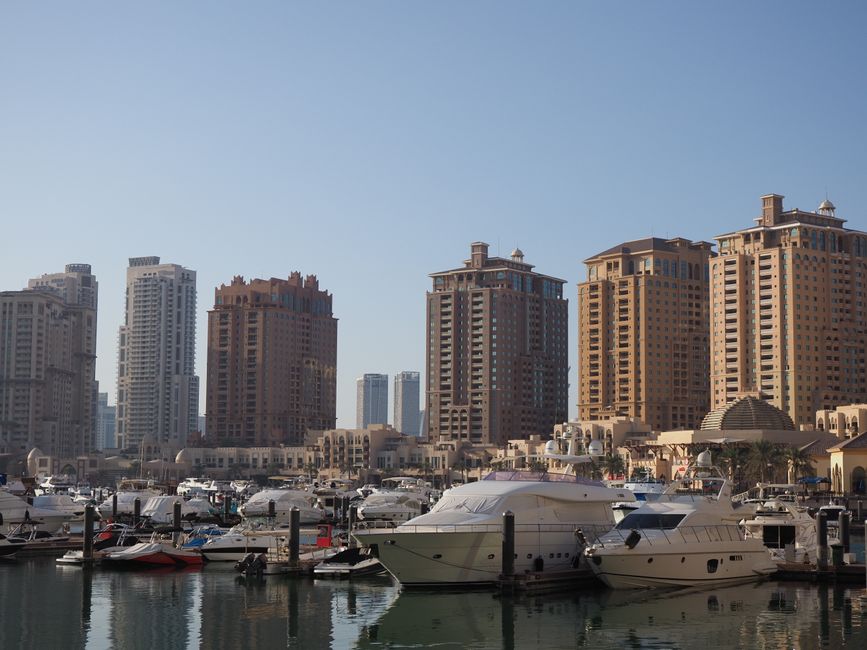
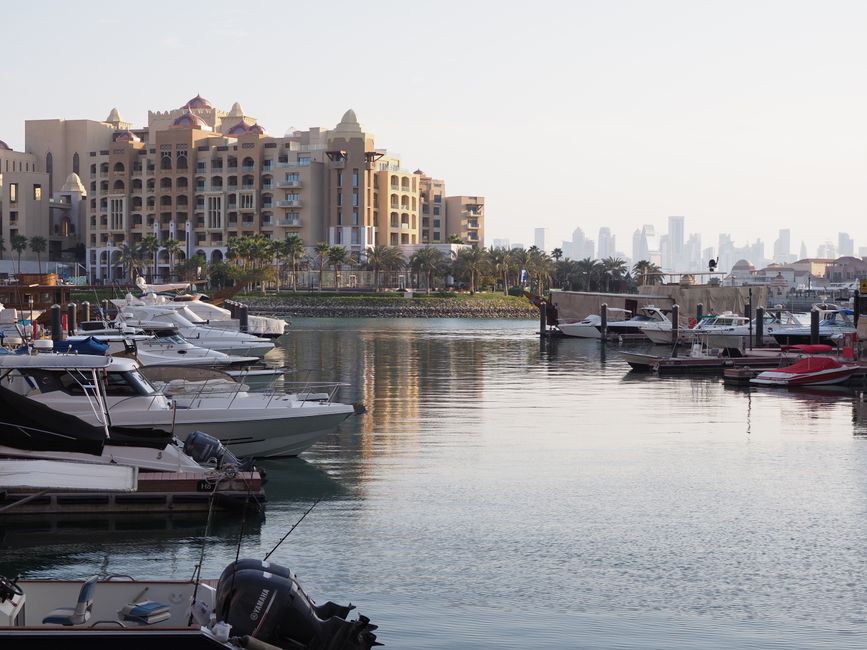
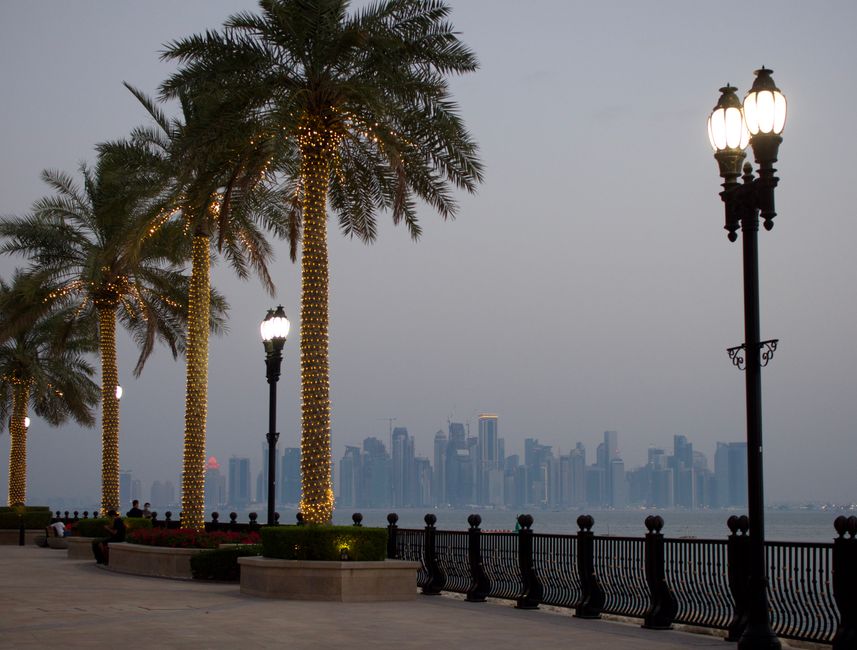
For those who prefer to start alone, the Doha branch of Kinokuniya at Mall of Qatar stocks dedicated mindfulness journals — the Leuchtturm1917 Mindfulness Edition retails at around QR 95 and includes 30 prompts printed across its opening pages, a useful scaffold for the first month. The Pearl-Qatar's beachside promenade at Porto Arabia has also become an informal journaling spot for early risers, with several small cafes opening before 6 a.m. to catch the pre-work crowd.
The practical advice from facilitators is consistent: start shorter than you think you need to. Five minutes is not a failure, it is a foundation. Write by hand rather than on a phone — the slower pace of handwriting appears to deepen reflection in ways that typing does not, likely because it removes the autocomplete reflex. Keep the journal somewhere visible, not buried in a drawer. And resist the urge to reread entries for at least two weeks; the value is in the writing, not the reviewing, especially at the start.
Pick up a notebook this week. Set a seven-day trial with no pressure to continue beyond it. Wellness culture in Doha is sophisticated enough now that residents no longer need convincing that mental health matters — the gap is in knowing where to actually begin. A blank page, it turns out, is a remarkably good answer.