This article was generated by AI from the linked public sources. The Daily Doha is independently owned and covers Doha news free from advertiser or sponsor influence. Read our editorial standards →
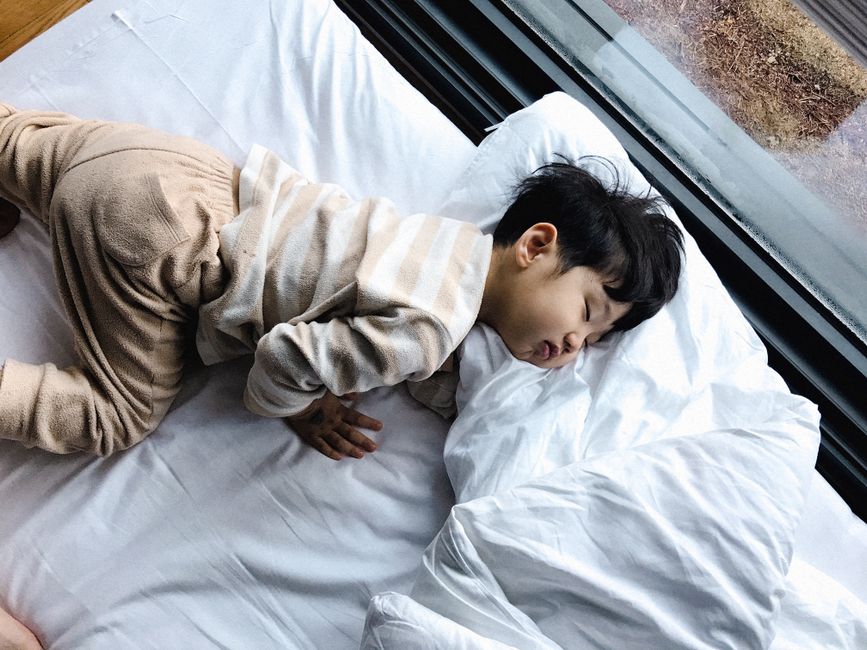
A staggering 70% of Qatar's population experiences sleep disorders, according to a recent study published in the Journal of Sleep Research, highlighting the need for residents to prioritize sleep health. One key factor affecting sleep quality is the environment in which we sleep, with temperature, light, and noise being major contributors to a restful night's sleep.
As Doha continues to grow and develop, the importance of sleep health has become a pressing concern for residents. With the city's active wellness culture, many are turning to yoga studios like Yoga House on Al Waab Street and fitness centers like Fitness First in the Mall of Qatar to improve their overall well-being. However, sleep health is often overlooked, despite its significant impact on physical and mental health. The Qatar Ministry of Public Health has launched initiatives to promote healthy lifestyles, including the National Health Strategy 2018-2022, which aims to reduce the prevalence of sleep disorders.
Local Initiatives and Environmental Factors
In Doha, residents can take advantage of various initiatives and resources to improve their sleep health. For example, the Qatar Green Building Council has launched a program to promote sustainable and healthy buildings, including those with features that reduce noise pollution and improve indoor air quality. Additionally, the Aspire Zone Foundation offers fitness and wellness programs, including sleep-focused workshops, at its facilities in the Aspire Zone. However, despite these efforts, environmental factors like temperature, light, and noise remain a significant challenge. A study by the Qatar University's Department of Architecture and Urban Planning found that the average noise level in Doha's residential areas is around 65 decibels, exceeding the World Health Organization's recommended limit of 50 decibels.
According to data from the Qatar Statistics Authority, the average temperature in Doha during the summer months can reach up to 45 degrees Celsius, making it difficult for residents to cool their homes and get a good night's sleep. Furthermore, a survey conducted by the Qatar Chamber of Commerce and Industry found that 60% of residents use air conditioning units, which can cost around QAR 2,500 per year to operate. In terms of light pollution, a study by the Qatar Astronomy Society found that the city's streetlights and building illumination can make it difficult for residents to experience complete darkness, essential for melatonin production and sleep regulation.
Practical Advice for Better Sleep
So, what can Doha residents do to improve their sleep quality? Firstly, investing in blackout curtains or shades can help reduce light pollution, with prices starting from around QAR 500. Secondly, using earplugs or white noise machines can help mask noise pollution, with options available at pharmacies like Al Meera and Carrefour. Finally, maintaining a cool bedroom temperature, between 18-22 degrees Celsius, can help regulate body temperature and improve sleep quality. By taking these steps and being mindful of the environmental factors that affect sleep, Doha residents can wake up to better sleep health and a healthier lifestyle.
Covering wellness in Doha. This article was generated by AI from the linked sources and was not reviewed by a human editor before publishing. See our editorial standards.