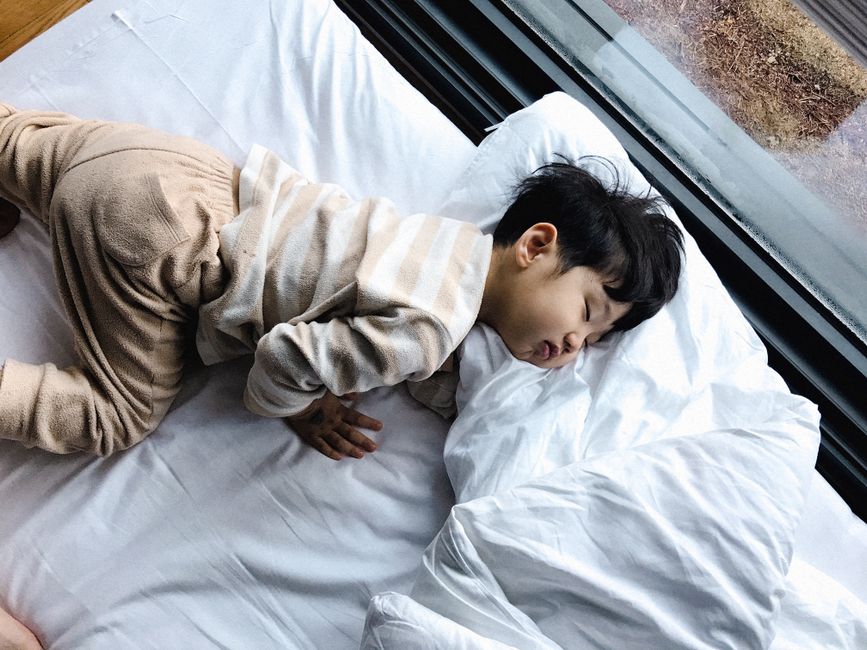
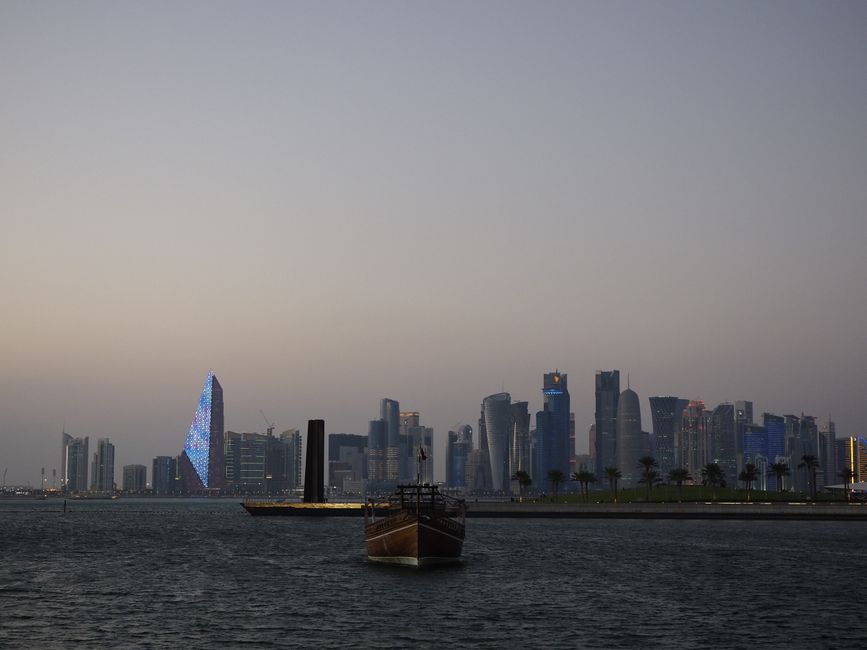
The midday nap is practically written into the DNA of Gulf living. By 1 p.m. on any given Thursday, the residential towers of West Bay and the low-rise villas of Al Waab are quiet, curtains drawn against a sun that pushes temperatures past 42°C through July. But whether that hour on the couch is restoring you or slowly wrecking your sleep cycle depends almost entirely on timing, duration and what you did the night before.
The question matters more urgently in summer 2026 than it might once have. Doha's expanding wellness economy — from the recovery studios tucked inside Doha Festival City to the sleep-tracking programmes now offered at Aspetar Orthopaedic and Sports Medicine Hospital — reflects a city increasingly serious about rest as a performance variable, not just a cultural habit. Add the Ramadan calendar shift that still shapes many residents' circadian rhythms months later, and the afternoon nap becomes genuinely complicated.
The Science of the Short Sleep
Research published in journals including Nature and Science of Sleep has consistently found that naps of between 10 and 20 minutes — sometimes called power naps — improve alertness, mood and short-term memory without producing what sleep scientists call sleep inertia, the grogginess that follows deeper sleep stages. A 2023 review cited by the Sleep Research Society found that naps exceeding 30 minutes in otherwise healthy adults were associated with a measurably harder time falling asleep at night — a phenomenon that compounds across a working week. The optimal window, according to that body of research, sits between noon and 2 p.m., when the body's circadian dip naturally occurs regardless of how much sleep a person got the night before.
The problem in Doha is structural. Many residents — particularly those working in the energy sector around Lusail or commuting from the Pearl-Qatar — keep schedules that push dinner past 9 p.m. and socialising well past midnight. A compensatory nap that starts at 4 p.m. and drifts toward 6 p.m. is not restoring a sleep deficit; it is borrowing against the night ahead.
Where Doha's Wellness Sector Is Responding
A handful of local operations have started treating nap quality as a service. Wellbeing clinics along Al Sadd Street now include sleep hygiene consultations as a standard part of multi-session wellness packages, with some programmes pricing hour-long assessments at between QAR 250 and QAR 400. The Hamad Medical Corporation's network of primary care centres across the city has in recent years added lifestyle medicine components to routine appointments, and sleep screening — asking patients directly about daytime sleepiness and nap frequency — is increasingly part of that intake process.
Aspetar, located in Aspire Zone near Al Waab, has for years applied structured rest protocols to elite athletes training in the Gulf heat. The principle those programmes reinforce is consistent: a controlled short nap post-training accelerates physical recovery, but an unstructured long sleep disrupts the hormonal timing that governs deep-night restoration. Non-athletes, the argument goes, face the same biology.
Qatar's relative humidity in summer also plays a direct physiological role. The body expends considerable energy thermoregulating even at rest, which accelerates fatigue and makes the urge to nap feel more urgent than it might in a cooler climate. That physiological pull is real — but it does not change the mathematics of sleep pressure, the accumulated drive to sleep that builds through waking hours and is partially discharged by any nap, long or short.
The practical guidance that emerges from the research is straightforward. Set an alarm for 20 minutes. Nap before 2 p.m. if possible — in Doha's summer context, post-lunch is already culturally normative and physiologically appropriate. Avoid caffeine in the two hours before lying down, since it delays sleep onset even when fatigue is high. And if you are regularly needing more than 30 minutes of daytime sleep to function, that is not a napping problem — it is a signal that night sleep quality needs attention, which is a conversation best started with a primary care physician or a sleep specialist at one of Doha's growing number of dedicated wellness clinics.
The afternoon quiet will not disappear from West Bay or Al Waab any time soon. The goal is simply to make sure it is working for you, not against you, by the time the alarm goes off at 6 a.m.