wellness
Doha's Sleep Crisis: Why Residents Are Lying Awake and What Actually Helps
From late-night shisha sessions on the Corniche to blue-light-soaked bedrooms in The Pearl, a confluence of lifestyle habits is quietly wrecking sleep across Qatar's capital.
How we reported this
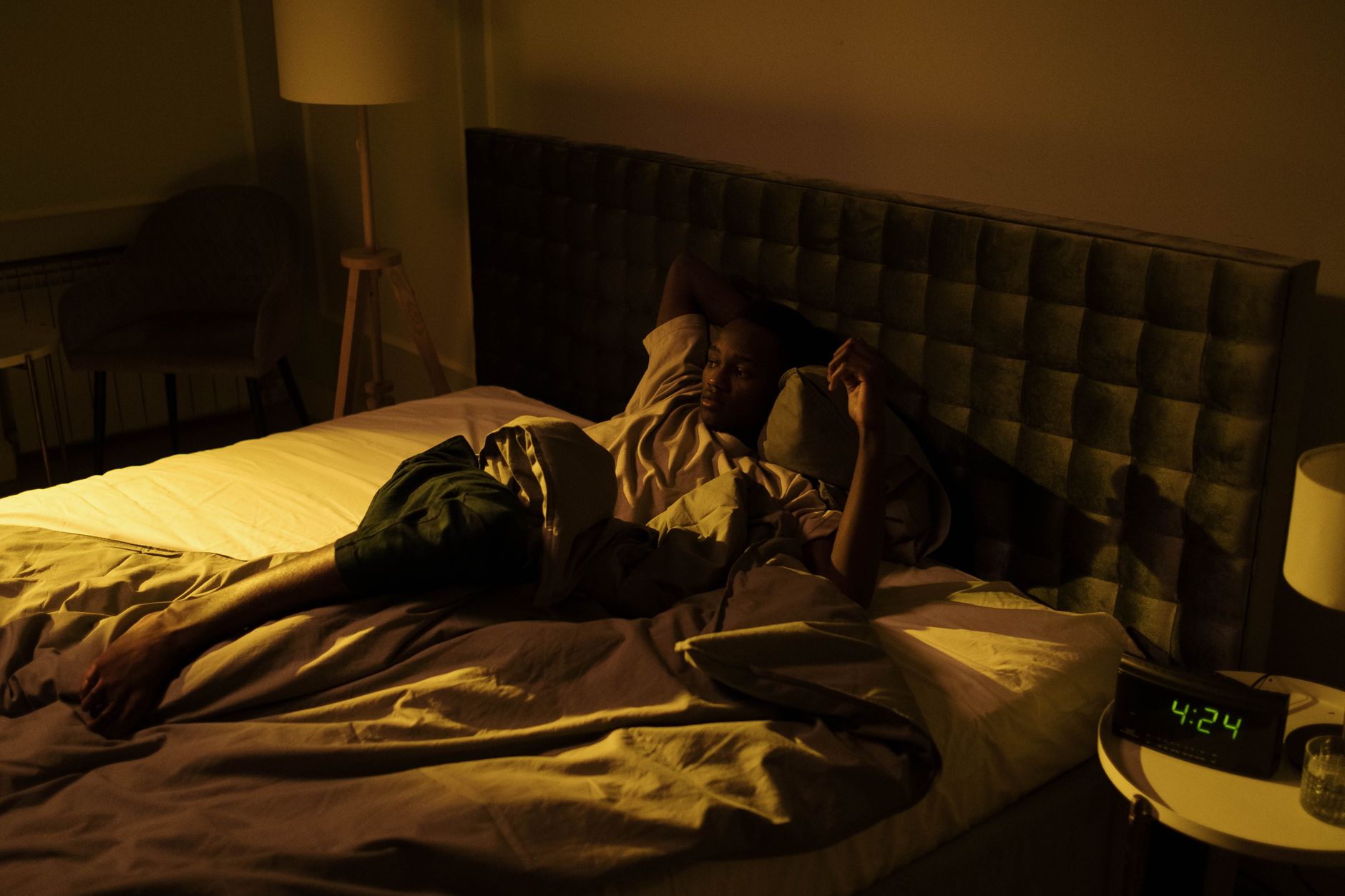
Doha residents are sleeping fewer hours than almost anywhere else in the Gulf region, and the gap between when they go to bed and when they actually fall asleep is widening. A survey by Hamad Medical Corporation found that a significant percentage of respondents in Qatar reported difficulty falling or staying asleep at least three nights a week, with young professionals posting the worst numbers. The data landed quietly, but sleep specialists say the picture it describes is loud enough to warrant serious attention.
The timing matters. Qatar is midway through a summer that regularly pushes temperatures past 43°C by midday, which means most social and physical activity gets compressed into the hours between 9 p.m. and 2 a.m. That cultural rhythm, genuinely pleasant evenings on the waterfront followed by late meals and later screens, collides directly with the biology of sleep. Melatonin, the hormone that signals the brain to wind down, is acutely sensitive to both light exposure and eating schedules. Push both past midnight, and the body's internal clock drifts. Do it for months, and the drift becomes a fault line.
Where Doha's Nightlife and Sleep Science Collide
Walk along the Corniche at 11 p.m. on a Thursday and you will find families, joggers, and groups of friends at the shisha cafés clustered near Al Dafna. The atmosphere is genuinely alive. But nicotine, including from waterpipe tobacco, is a stimulant with a half-life that can keep the nervous system alert for hours after a session ends. Combine that with a late meal at a restaurant in Souq Waqif at midnight and the body is managing digestion, a mild stimulant hit, and ambient social noise all at the moment it should be releasing melatonin.
Inside West Bay apartment towers, the problem is different but equally erosive. Residents scroll through phones or stream content on large-format TVs in rooms where blackout curtains are doing all the right things for light, but the screens remain lit until late. The blue-light suppression of melatonin is dose-dependent: a study published in the Journal of Sleep Research found that evening screen exposure delayed sleep onset significantly.
Qatar's humidity compounds the physical challenge. Even after sunset in July, outdoor temperatures stay above 35°C until well past midnight, making the transition from an aggressively air-conditioned interior to a warm bedroom, or vice versa, thermally disorienting. The body needs a core temperature drop to initiate deep sleep. Overly cold bedrooms set too low because the building's central AC can't be individually regulated create the opposite problem: too cold to sleep comfortably, too awake to compensate.
What Sleep Specialists and Local Programs Recommend
The Aspetar Orthopaedic and Sports Medicine Hospital in Aspire Zone has been expanding its sleep health consultations, with clinical staff increasingly seeing non-athlete patients referred for what is being called chronic sleep insufficiency rather than clinical insomnia. The distinction matters for treatment: insufficiency responds well to behavioural change, while insomnia often requires structured cognitive therapy. Aspetar's outpatient team recommends an initial sleep diary kept before any appointment, paper, not an app, specifically to reduce evening screen time.
Sidra Medicine in Education City runs a dedicated Sleep Disorders Program that accepts direct referrals and self-referrals. The program's standard first-line advice for otherwise healthy adults centres on three anchors: a fixed wake time seven days a week regardless of how the night went; no eating within a certain period before the intended sleep time; and a screen-free wind-down period that can include reading, stretching, or sitting on a balcony, provided the balcony isn't also a phone-scrolling location.
For residents not yet ready for a clinical appointment, the basics are genuinely free. Set the bedroom thermostat to a comfortable temperature. Cut the final shisha or coffee early. Eat the late social dinner early, not at midnight. None of it is radical. But given that Qatar's sleep data is trending in the wrong direction, and that chronic poor sleep is independently associated with elevated cardiovascular risk, metabolic disruption, and impaired cognitive function, the cost of ignoring it is higher than most residents appear to realise. Consult a local medical professional for advice specific to your situation.