Wellness
Why Doha is Losing Sleep — and What You Can Do About It
From late-night shisha sessions on The Pearl to blue-light overload in West Bay apartments, residents are clocking fewer hours of quality rest than ever before.
4 min read
Wellness
From late-night shisha sessions on The Pearl to blue-light overload in West Bay apartments, residents are clocking fewer hours of quality rest than ever before.
4 min read
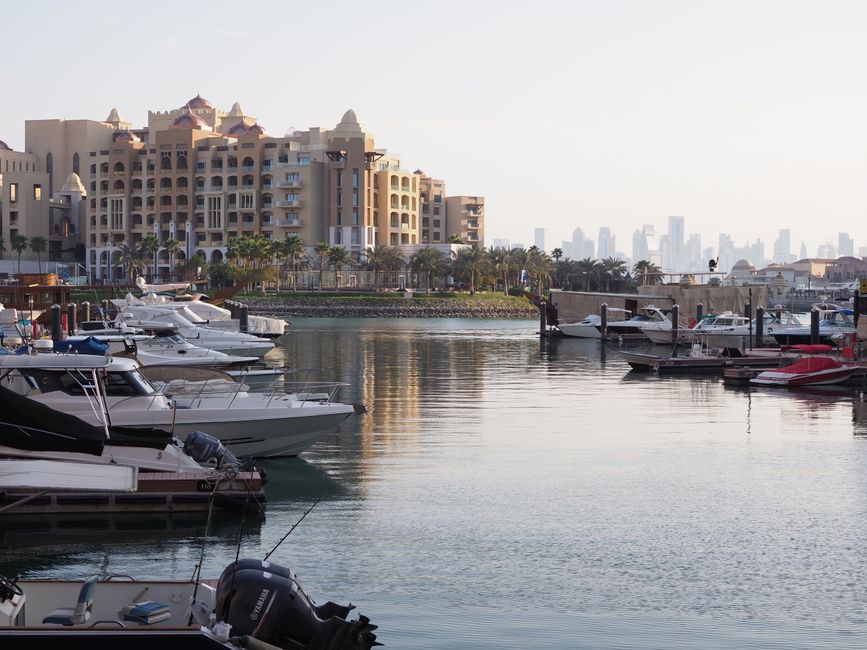
Doha's residents are sleeping worse. That is the blunt finding emerging from clinicians at Hamad Medical Corporation's sleep disorder units, where referrals for insomnia, sleep apnoea and circadian rhythm disruption have climbed steadily since 2024. The reasons are piling up fast: an expanding night economy, year-round heat that makes outdoor activity impossible until after 9 p.m., and smartphone habits that push bedtimes past midnight on weekdays.
The timing matters. Qatar is in the middle of a post-World Cup economic and social expansion. New residential towers keep rising along Lusail Boulevard. Entertainment districts on Katara Cultural Village and along the Corniche waterfront are drawing crowds well into the early hours. The country's working-age population — heavily weighted toward expats in their 20s to 40s — is under documented pressure to perform while also squeezing a social life into a compressed evening window. The result is a population running on a chronic sleep deficit.
Globally, the World Health Organization flagged in its 2025 public health bulletin that adults in Gulf states average between 5.8 and 6.3 hours of sleep on work nights, against the recommended seven to nine hours. For shift workers — a substantial portion of Qatar's labour force — the numbers are worse. Disrupted circadian rhythms raise the risk of cardiovascular disease, type 2 diabetes and mood disorders, according to research published in the journal Sleep Medicine in March 2026.
Three specific forces are making Doha's sleep problem worse than it needs to be. First, the heat. Even in early July, overnight temperatures in the city rarely drop below 30°C without air conditioning, and humidity compounds the discomfort. People who exercise — the running groups that gather at Al Bidda Park at 8 p.m. or the cyclists circling the Aspire Zone — are elevating their core body temperature at exactly the wrong moment for sleep onset. Core temperature needs to fall by about 1°C for sleep to initiate, and a vigorous 9 p.m. ride pushes that window toward midnight.
Second, light exposure. The towers in West Bay and Msheireb Downtown Doha flood apartments with artificial light until residents shut it out. Most people in these buildings report never truly experiencing darkness at night. Research from the Hamad Bin Khalifa University wellness science faculty points to LED and OLED screen exposure after 10 p.m. as the single biggest suppressant of melatonin production in urban Gulf populations.
Third, caffeine and late meals. Doha's café culture — particularly concentrated around Souq Waqif and the restaurants lining Al Sadd Street — means many residents are consuming espresso drinks and heavy food between 10 p.m. and midnight. Caffeine has a half-life of roughly six hours; a double espresso at 11 p.m. still has half its load circulating at 5 a.m.
The Doha Sleep Centre at Al Rumaila Hospital has seen a 34 percent increase in outpatient consultations since January 2025. Its clinical team — alongside the wellness programme at Aspetar Orthopaedic and Sports Medicine Hospital in Aspire Zone — has begun offering structured sleep hygiene workshops, with the next cohort scheduled for September 2026. Places are QR 250 per session and have historically filled within two weeks of opening.
The practical advice distills to several concrete changes. Keep the bedroom below 21°C and block external light with blackout curtains — a particular discipline in Pearl-Qatar apartments, where glass facades face directly east or west. Cut screen use 90 minutes before bed, not 30. Move exercise sessions earlier: the 6 a.m. running slots at Aspire Zone track leave the body temperature curve in the right place by 10 p.m. Limit caffeine after 2 p.m. and eat the day's largest meal before 8 p.m. wherever work schedules allow.
For those whose problems go beyond lifestyle tweaks — persistent insomnia lasting more than three weeks, loud snoring, or waking unrefreshed regardless of hours slept — the standard recommendation from local practitioners is a referral to a specialist. Self-diagnosing with melatonin supplements, which are available over the counter at pharmacies including those in City Center Doha mall, is common but worth discussing with a physician before starting, particularly for anyone on blood pressure or diabetes medication. Sleep is not a luxury the city can afford to keep ignoring.
Wellness
Wellness
Wellness
Wellness
About this article
Published by The Daily Doha
Spread the word
Daily brief
Free, in your inbox before 7am. Weekdays.
The Daily Network — local news across Australia