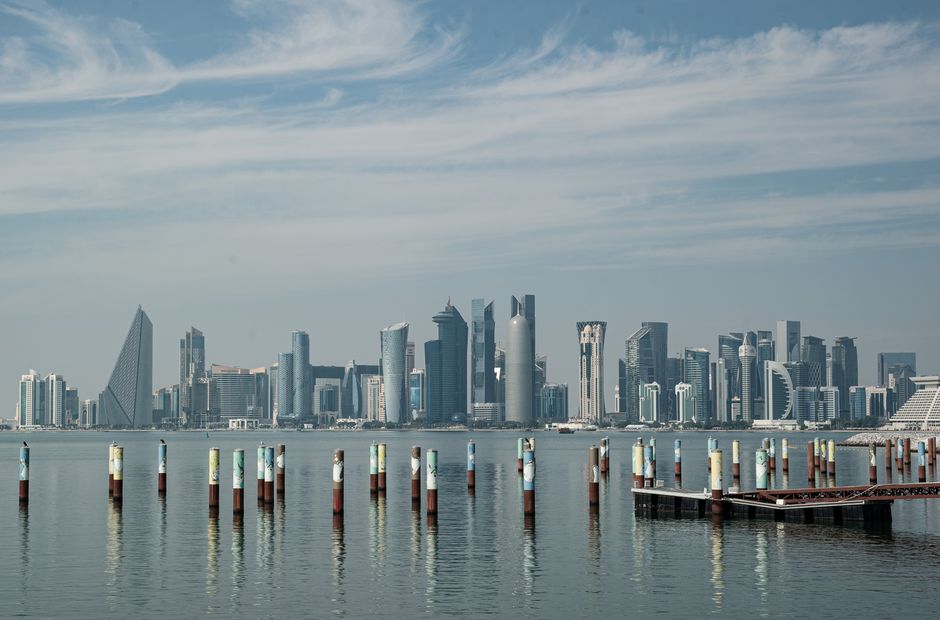
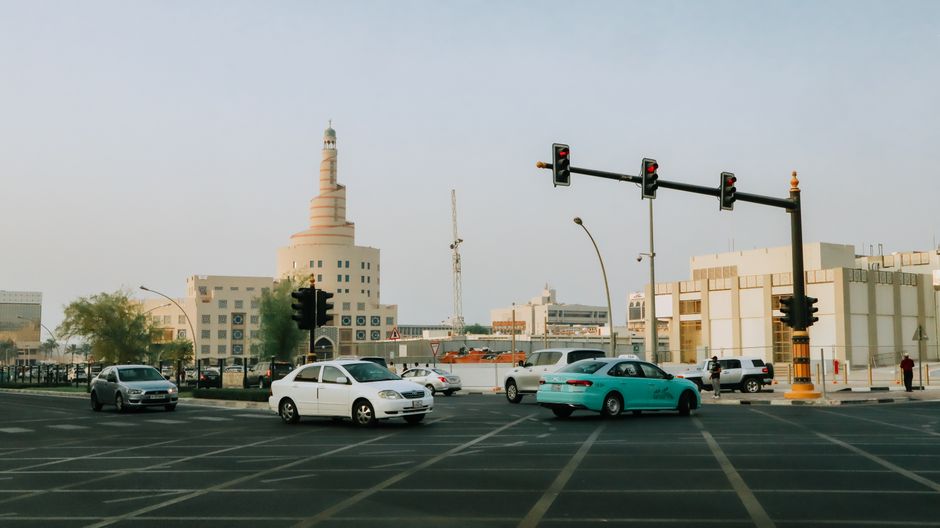
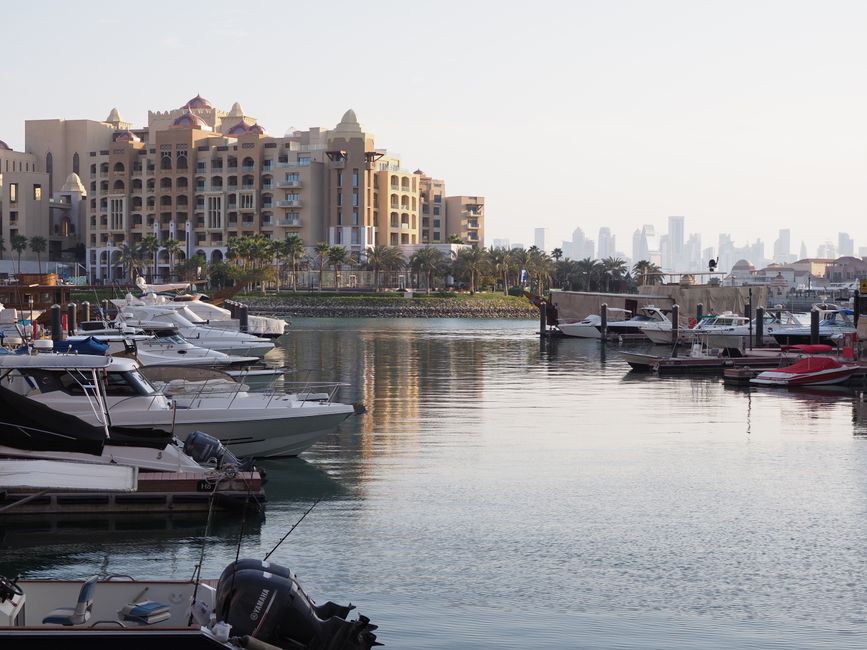
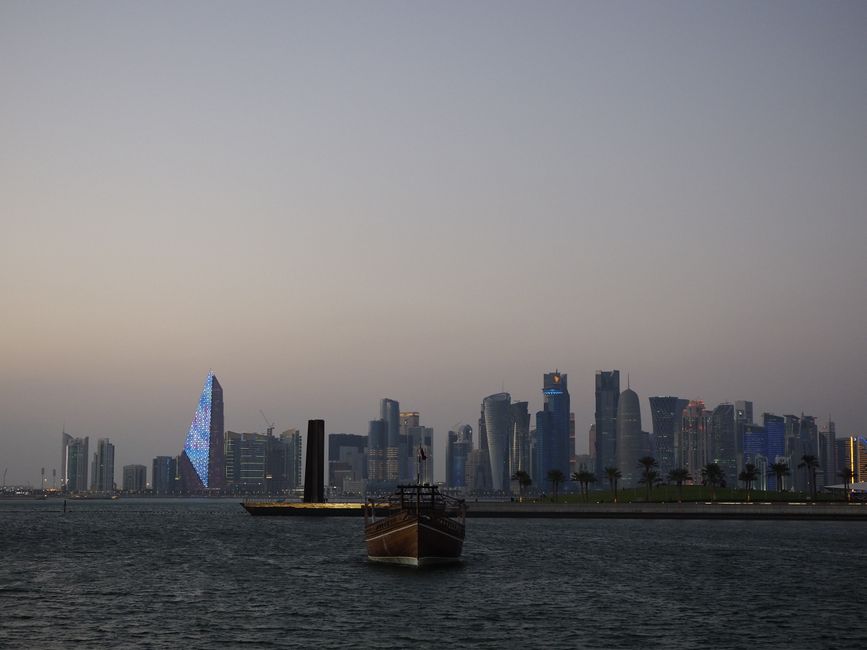
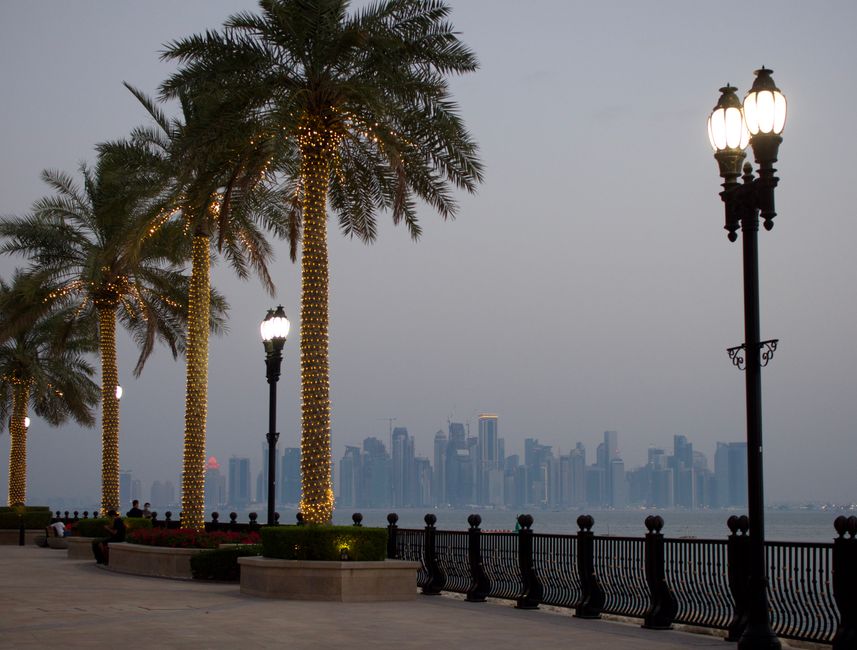
Anxiety is not a lifestyle choice. But the evidence increasingly suggests that how you spend 30 minutes on a Tuesday morning can determine how badly it grips you by Friday afternoon. A landmark 2023 meta-analysis published in the British Journal of Sports Medicine, covering more than 97 trials and 1,039 exercise interventions, found that physical activity reduced anxiety symptoms by roughly 42 percent compared to usual care — a figure that outperformed several commonly prescribed talking therapies in short-term outcomes. That number is not an abstraction. For the tens of thousands of residents packed into Doha's towers and traffic this summer, it matters.
The Gulf summer is, clinically speaking, a stress amplifier. Temperatures along the Corniche routinely exceed 42°C by early July, driving people indoors, disrupting sleep cycles and severing the casual outdoor socialising that buffers stress in cooler months. A 2024 survey conducted by Hamad Medical Corporation found that nearly one in three adults in Qatar reported elevated anxiety symptoms during the June-to-August window — a rate the report linked partly to heat-enforced sedentary behaviour. When movement stops, cortisol tends to climb.
What the Body Is Actually Doing
Exercise does not simply distract the anxious mind. It restructures it. Aerobic activity — the kind that lifts your heart rate above 60 percent of its maximum for at least 20 continuous minutes — triggers the release of brain-derived neurotrophic factor, a protein that promotes neuroplasticity in the hippocampus, the region most implicated in anxiety disorders. Resistance training, meanwhile, modulates the hypothalamic-pituitary-adrenal axis, effectively teaching the body to tolerate and recover from physiological stress. The two mechanisms are complementary, which is why sports medicine specialists now recommend a combination of both rather than defaulting entirely to cardio.
The threshold is lower than most people assume. A 20-minute brisk walk, three times a week, produced measurable reductions in generalised anxiety symptoms within six weeks in a controlled study published in Psychiatry Research in January 2025. You do not need to be an athlete. You need to be consistent.
Where Doha Is Getting It Right
Qatar's wellness infrastructure has caught up with the science faster than many regional capitals. Aspire Zone, the 250-hectare sports complex in Baaya, offers air-conditioned athletics tracks, free-to-use outdoor fitness stations and access to the Aspire Park trail system — all within a single postcode. During summer months, its indoor facilities operate extended hours until 11 p.m., specifically to accommodate residents who prefer evening exercise once the heat retreats slightly.
Across town in West Bay, the Qatar Olympic Committee's community wellness programme, Active Qatar, runs subsidised group fitness sessions at venues including the Al Bidda Park event space and the beachfront promenade near Katara Cultural Village. Monthly membership for structured group classes through affiliated studios in The Pearl-Qatar runs between QAR 300 and QAR 650, depending on the provider — a meaningful but not prohibitive outlay for a resident seeking both physical and psychological benefit.
The Hamad International Mental Wellness Centre, which opened its outpatient psychology services to expatriates and citizens alike in early 2025, has formally integrated exercise prescription into several of its anxiety treatment pathways. Patients referred through the centre's cognitive behavioural therapy programme are now receiving structured physical activity plans alongside traditional talking sessions — a protocol that mirrors what the UK's National Health Service began piloting in 2022.
The practical upshot for anyone feeling the specific weight of a Doha July: start before the anxiety feels urgent enough to justify it. A 25-minute session at an air-conditioned facility three times per week is, based on current evidence, a genuine intervention — not a supplement to treatment but, for mild-to-moderate anxiety, often a primary one. Aspire Zone's public gym charges QAR 15 per day-pass entry. The barrier is low. The return, physiologically, is not.
Anyone experiencing persistent or severe anxiety symptoms should consult a licensed medical professional or contact Hamad Medical Corporation's mental health helpline, available in both Arabic and English, before self-prescribing any exercise regimen as a substitute for clinical care.