Wellness
The Sleep Environment Checklist for Better Rest
From West Bay high-rises to Lusail apartments, Doha residents are overhauling their bedrooms — and sleep specialists say the details matter more than most people realise.
4 min read
Wellness
From West Bay high-rises to Lusail apartments, Doha residents are overhauling their bedrooms — and sleep specialists say the details matter more than most people realise.
4 min read
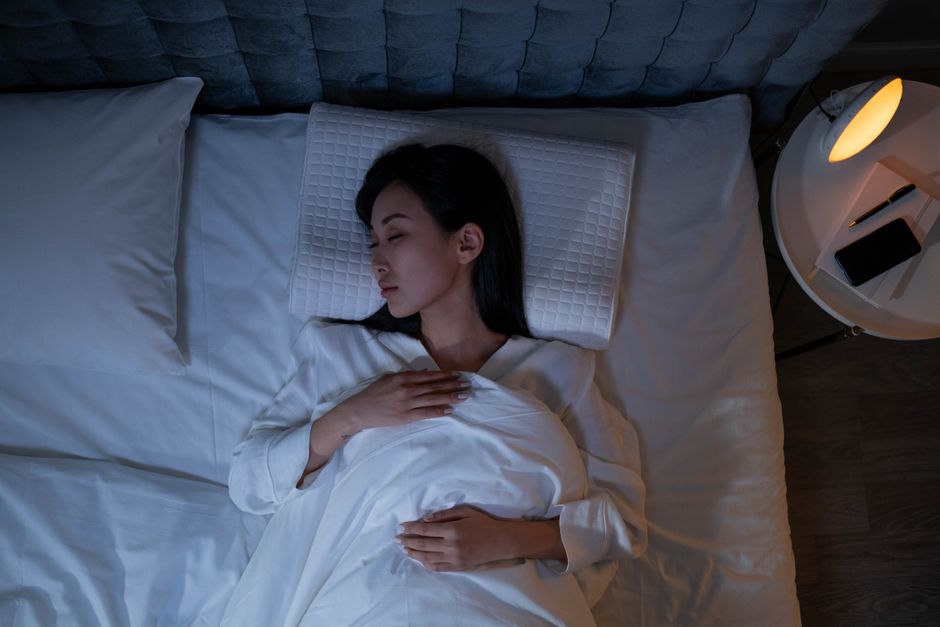
The average adult in Qatar sleeps fewer than six hours on a weeknight. That single figure, pulled from a 2024 Qatar University College of Medicine survey of 1,800 Doha residents, sits well below the seven-to-nine hour range the World Health Organisation has recommended since 2017. Researchers flagged bedroom conditions — noise, light, temperature — as the top modifiable factors. Two years later, local wellness coaches and sleep clinics say demand for practical guidance has never been higher.
The timing makes sense. Doha's population has pushed past three million, with dense residential clusters in The Pearl-Qatar, Lusail City and Al Sadd meaning more people than ever are sleeping within metres of traffic noise, LED advertising hoardings and the low hum of industrial air conditioning. Add in the Gulf's brutal summer heat — thermometers hit 46°C in June 2026, according to Qatar Meteorology Department records — and the bedroom environment becomes a genuine public health question, not a lifestyle luxury.
Sleep environment work breaks into five categories: temperature, light, sound, air quality and bedding. Each one is addressable without a renovation.
Temperature is the most critical and, for Doha residents, the most complex. Sleep science consistently points to a core body temperature drop as the trigger for sleep onset. The recommended ambient range is 18–21°C. Most Qatar building management systems default to 24°C or warmer to cut energy costs. Wellness practitioners at Aster Medical Centre's Doha branches — there are three locations, including one on C-Ring Road — advise patients to use a secondary portable unit or a programmable thermostat set to drop two degrees one hour before bed. A mid-range smart thermostat retails for around QAR 350 at most Carrefour outlets in Doha.
Light control comes next. The Pearl-Qatar and Lusail Marina districts are particularly affected by reflective glass facades and waterfront lighting rigs that stay on past midnight. Blackout curtains reduce ambient light intrusion by roughly 95 percent; thermal-lined versions — available from QAR 180 per panel at IKEA's store off Airport Road — also dampen sound by an additional 10–12 decibels, a modest but measurable gain. Blue light from phones and tablets suppresses melatonin production for up to 90 minutes after exposure, which means the common habit of scrolling until 1 a.m. effectively delays the body's sleep signal by an hour and a half.
Sound deserves more attention than it typically gets. A study published in the journal Sleep Medicine in March 2025 found that residents in cities with average nighttime noise levels above 45 decibels — a threshold Doha's urban core regularly exceeds during road works and construction phases — reported 22 percent more nighttime awakenings than those in quieter environments. White noise machines, which retail from QAR 120 at Virgin Megastore in Villaggio Mall, can mask irregular external sounds without the dependency risk associated with ambient television.
Indoor air quality in Qatar carries an added variable: dust. The country ranks among the top ten globally for airborne particulate matter, and bedroom air can accumulate particulate load quickly during shamal wind events. The Hamad Medical Corporation's respiratory team issued guidance in May 2026 recommending HEPA-filter air purifiers for bedrooms, particularly for residents with allergies. Units with sufficient coverage for a standard Doha apartment bedroom — roughly 20 square metres — start at QAR 400.
Bedding is the final, often underestimated, variable. Natural fibres — cotton and bamboo — regulate body heat more efficiently than polyester blends. Thread counts above 400 in cotton sheets genuinely improve breathability. Given the year-round air conditioning dependence in Qatar, a lightweight summer duvet rated for 15°C comfort (rather than the standard 22°C) can meaningfully reduce overnight sweating.
Anyone experiencing persistent sleep difficulty should book a consultation with a physician before making significant changes; Aster Medical Centre and the Qatar Diabetes & Endocrinology Centre on Al Rumaila Street both offer sleep health referrals as part of their general wellness programmes. A checklist is a starting point. A doctor is the follow-through.
Wellness
Wellness
Wellness
Wellness
About this article
Published by The Daily Doha
Spread the word
Daily brief
Free, in your inbox before 7am. Weekdays.
The Daily Network — local news across Australia