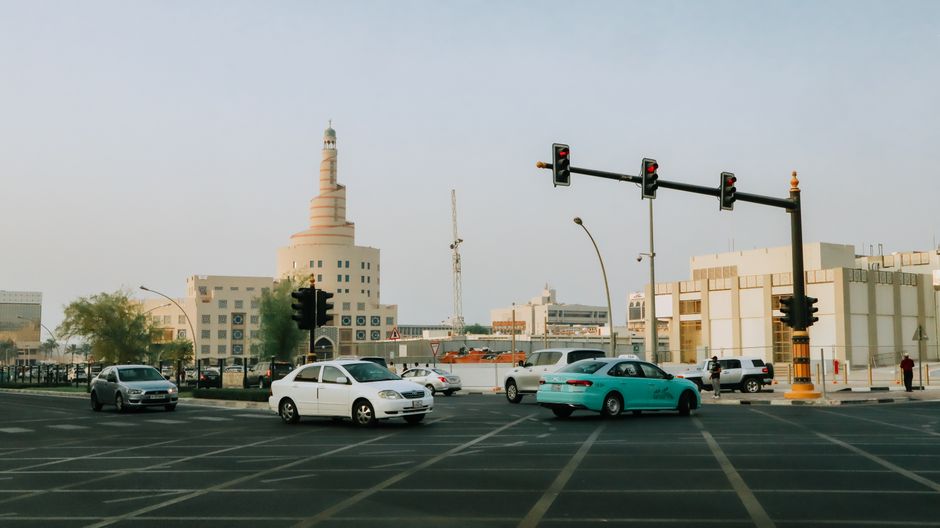
Three minutes. That is all the time researchers at the Max Planck Institute for Human Cognitive and Brain Sciences say is needed for a structured breathing exercise to measurably reduce cortisol levels. For anyone who has sat gridlocked on Al Corniche Road at 7:45 on a weekday morning, three minutes sounds almost insultingly achievable — and that is precisely the point.
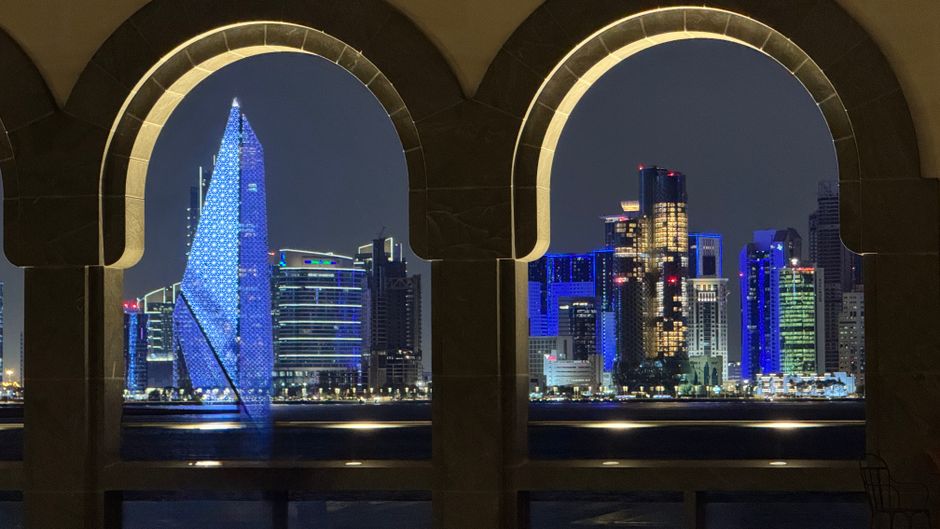
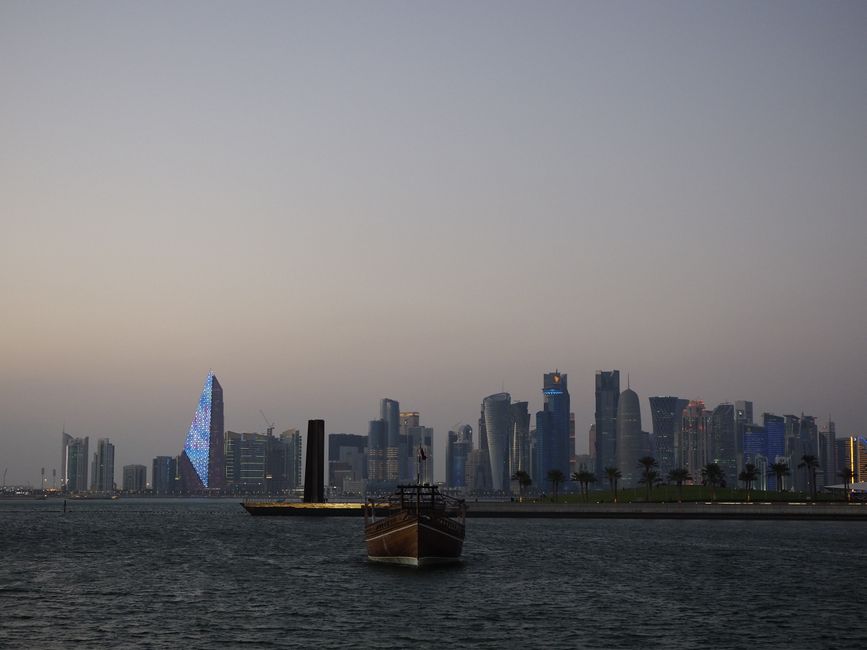
Breathwork, long associated with yoga studios and wellness retreats, has quietly moved into the corporate corridors of West Bay and the open-plan offices of the Financial Centre District. Practitioners in Doha are reporting growing demand from professionals who want something faster and less conspicuous than a full meditation session — something they can do in a meeting room, a parking garage lift, or at their desk before a difficult call.
The science behind the breath
The mechanism is not complicated. Slow, controlled exhalation activates the parasympathetic nervous system, which essentially hits the brakes on the body's stress response. The technique most commonly recommended by occupational health practitioners is the 4-7-8 method: inhale for four counts, hold for seven, exhale for eight. A second approach gaining traction is box breathing — four counts in, four counts held, four counts out, four counts held again — the same pattern used by the United States Navy SEALs to manage acute stress responses in the field. A third, simpler option is physiological sighing: two short nasal inhales followed by one long, slow exhale through the mouth. Stanford University researchers published findings in January 2023 confirming that five minutes of this double-inhale pattern reduced self-reported anxiety more effectively than mindfulness meditation over the same period.
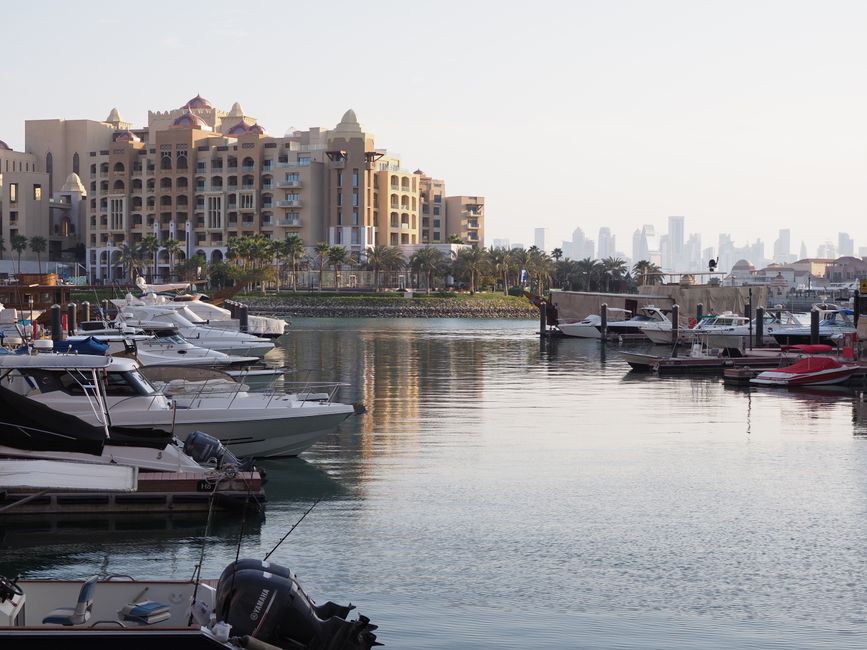
Qatar's wellness industry has taken note. The Zulal Wellness Resort by Chiva-Som, located roughly an hour's drive north of Doha in Al Ruwais, introduced structured breathwork as a standalone programme in early 2025 — separate from its broader spa and yoga offerings — citing demand from corporate groups booking half-day retreats. Closer to the city, The Pearl-Qatar's Giardino Village hosts monthly breathwork workshops run by The Mindful Space, a Doha-based practitioner collective that operates from a studio on Porto Arabia. Sessions cost between QAR 150 and QAR 250 per person, and the July schedule shows two fully booked Friday morning sessions.
Making it work in a Doha office
The practical challenge is discretion. Open-plan offices along Majlis Al Taawon Street are not exactly designed for someone to sit cross-legged and audibly exhale for eight counts. Practitioners suggest three workarounds that have gained traction among Doha professionals. First, calendar-block two minutes before any high-stakes meeting and use box breathing with the camera off. Second, use the Lusail Expressway commute — as a passenger, obviously — to run through three rounds of 4-7-8 before reaching the office. Third, step into any of the prayer rooms found in most of Qatar's major commercial towers, which offer a quiet, private and culturally appropriate space for a short breathing reset.
The Qatar Olympic Committee's human performance team began incorporating breathwork drills into its athlete recovery protocols in 2024, a sign that the practice has moved beyond lifestyle circles into performance contexts with measurable accountability. The World Health Organisation's 2025 global workplace mental health guidelines specifically listed breathwork among low-cost, high-accessibility interventions employers should consider offering staff — a recommendation that carries weight in a city where Qatar National Vision 2030 places explicit emphasis on population wellbeing.
For those wanting to start without spending a riyal, the free Calm and Insight Timer apps both include guided breathwork tracks of two to ten minutes, and both work without a VPN on Qatar's networks. The Mindful Space also posts short instructional videos to its Instagram page each Sunday morning, timed for the start of the working week. The entry point could not be lower. The physiological upside, the research increasingly suggests, is real. The only thing left is the exhale.