wellness
Doha's Best Fermented Foods: Local Supermarkets and Souqs Revealed
From the shelves of Lulu Hypermarket to the counters of traditional souq vendors, Doha's fermented food scene is richer than most residents realise.
How we reported this
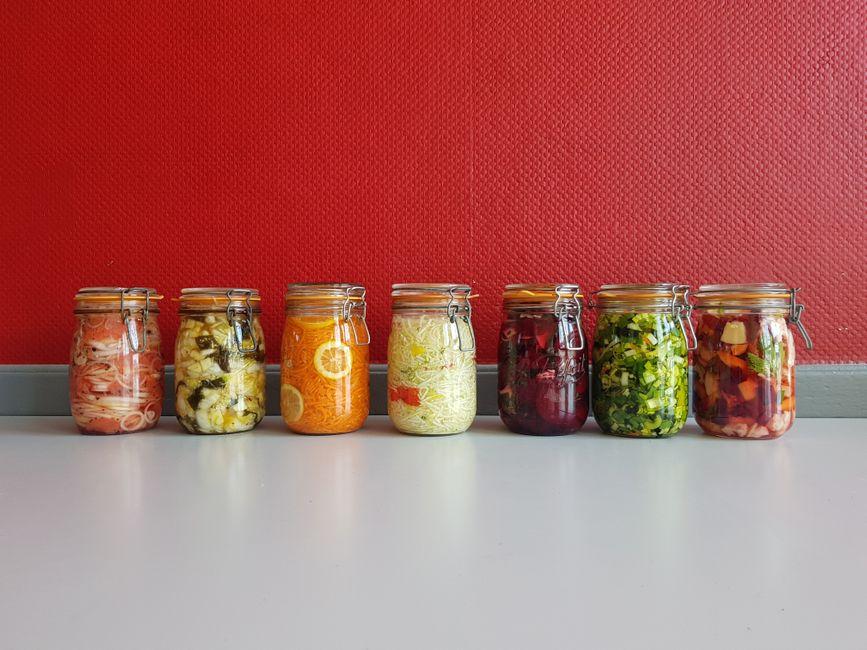
Gut health is no longer a fringe concern for the biohacker crowd. Research published in Cell Host & Microbe in late 2024 confirmed that regular consumption of fermented foods increases gut microbiome diversity by measurable margins within ten weeks, and that finding has quietly reshaped how nutritionists across the Gulf are counselling their clients. In Doha, where heat, humidity and a diet heavy in refined carbohydrates can disrupt digestive health year-round, fermented foods offer a practical, affordable intervention that requires no prescription and no flight to a wellness retreat in Bali.
The renewed interest in gut health is partly driven by a growing body of evidence linking the microbiome to immune function, mood regulation and even cardiovascular risk. With Qatar's non-communicable disease burden remaining a public health priority for the Ministry of Public Health, diabetes prevalence among Qatari nationals has been estimated at around 17 percent in recent national health surveys, there is urgent, local motivation to rethink dietary patterns. Fermented foods, long present in the region's culinary traditions, are getting a second look from clinicians and curious eaters alike.
What's Already on Your Doorstep
You do not need to visit a specialist health food store to begin. Lulu Hypermarket, with its flagship branch on Salwa Road, stocks at least four varieties of live-culture yoghurt, Bulgarian-style and Greek-style among them. The key is checking the label for the phrase "contains live and active cultures", many heavily processed yoghurts sold in Qatar carry no beneficial bacteria at all. Zabadi, the thick strained yoghurt common across Arab cuisines, is frequently made with live cultures and sold fresh at several vendors inside the Old Souq Al Waqif market; a 500g tub from the dairy stalls in the souq's eastern corridor typically costs between QAR 12 and QAR 18.
Kefir, a fermented milk drink with a sharper tang than yoghurt, has appeared on the shelves of Carrefour at Mall of Qatar in West Bay Lagoon, priced at roughly QAR 22 for a litre. It originated in the Caucasus and is now produced commercially across the Middle East. Studies have credited kefir with a broader range of probiotic strains than standard yoghurt, some commercial varieties contain upwards of twelve distinct bacterial cultures. For those avoiding dairy, water kefir and kombucha have arrived too: The Nook café in the Msheireb Downtown Doha development began stocking locally brewed kombucha in early 2026, sourced from a small-batch producer operating out of the Qatar Science & Technology Park in Education City.
The Overlooked Ferments in Gulf Cooking
Traditional Gulf and Levantine foodways already contain fermented elements that rarely get labelled as such. Torshi, pickled vegetables preserved in brine rather than vinegar, is sold at several Lebanese and Iranian grocery shops along Al Mirqab Al Jadid Street in the Al Mansoura neighbourhood. Genuine lacto-fermented torshi, where vegetables are preserved by salt and naturally occurring bacteria rather than acidified vinegar, delivers measurable probiotic benefit. The distinction matters: vinegar pickling kills bacteria, while lacto-fermentation cultivates them. Ask the vendor directly; the Iranian-run grocers in Al Mansoura are generally forthcoming about production methods.
Miso paste and tempeh, both soy-based ferments with centuries of use in Japanese and Indonesian cooking, are now available at the Japanese section of Monoprix in Katara Cultural Village. A 200g tub of white miso retails at around QAR 28. Dissolving a tablespoon into a warm broth kept below 70 degrees Celsius preserves the live cultures; boiling destroys them entirely.
Building a gut-friendly routine does not require dramatic overhaul. Nutritionists working with Hamad Medical Corporation's outpatient nutrition clinics generally advise starting with a single fermented food daily, monitoring digestive response over two to three weeks, and diversifying from there. Anyone with an existing gastrointestinal condition, or who is immunocompromised, should consult a registered dietitian before significantly increasing probiotic intake, Hamad Medical Corporation's nutrition department accepts referrals through its outpatient booking system at HMC.org.qa. For everyone else, the souq is open, the kefir is cold, and the science is solid.