Thirty minutes of moderate exercise can cut anxiety symptoms by up to 48 percent, according to a 2025 meta-analysis published in the journal Anxiety, Stress & Coping. That number is reshaping how mental health professionals in Qatar think about treatment — and it's pushing more residents toward the city's gyms, tracks and waterfront paths as a first line of defence against stress.
The timing matters. Qatar's summer months bring a particular psychological strain. July temperatures in Doha regularly breach 43°C, pushing outdoor activity into the early morning hours or indoors entirely, disrupting routines that many residents rely on to regulate their mood. Add extended working hours heading into Q3 corporate cycles, and the conditions for elevated anxiety are real. Mental health awareness has grown sharply across the Gulf since Hamad Medical Corporation expanded its outpatient psychiatric services in 2023, but demand for non-clinical, preventative strategies is outpacing supply of professionals.
What the Research Actually Says
The anxiety-exercise link is not simply about burning calories or getting fresh air. Aerobic exercise triggers the release of endorphins and reduces baseline levels of cortisol, the body's primary stress hormone. More significantly, consistent training — defined in most clinical literature as at least 150 minutes of moderate activity per week — promotes neurogenesis in the hippocampus, the brain region most associated with emotional regulation. A 2024 study from King's College London found that individuals who maintained that weekly threshold reported 34 percent fewer generalised anxiety disorder episodes over a six-month period compared with sedentary controls.
The type of exercise matters less than the consistency. Running, resistance training, swimming and even brisk walking all show measurable anxiolytic effects. What the data consistently flags is that the psychological benefit drops sharply when exercise becomes irregular — skipping more than two weeks erases most of the neurochemical gains accumulated over the previous month.
Doha's Options, From the Corniche to West Bay
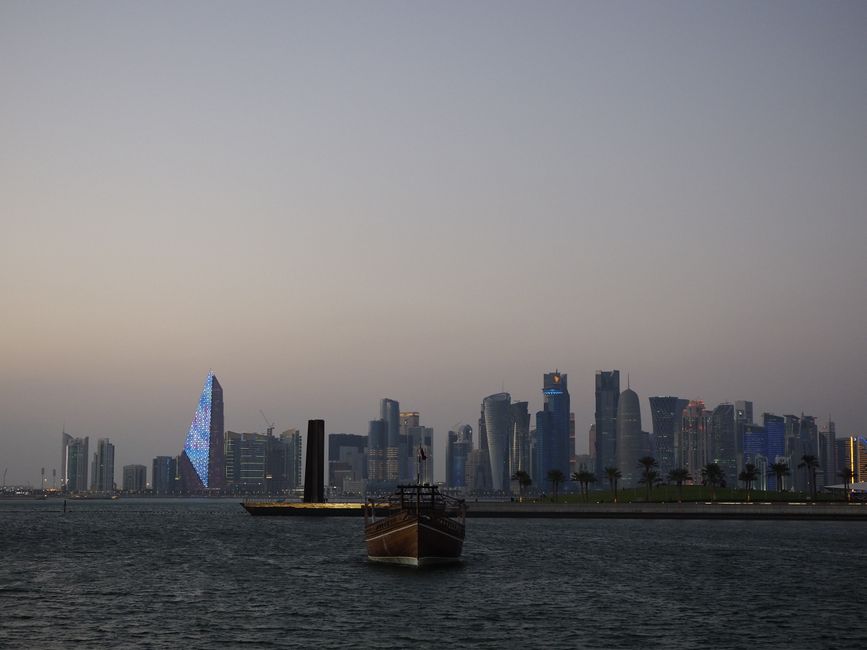
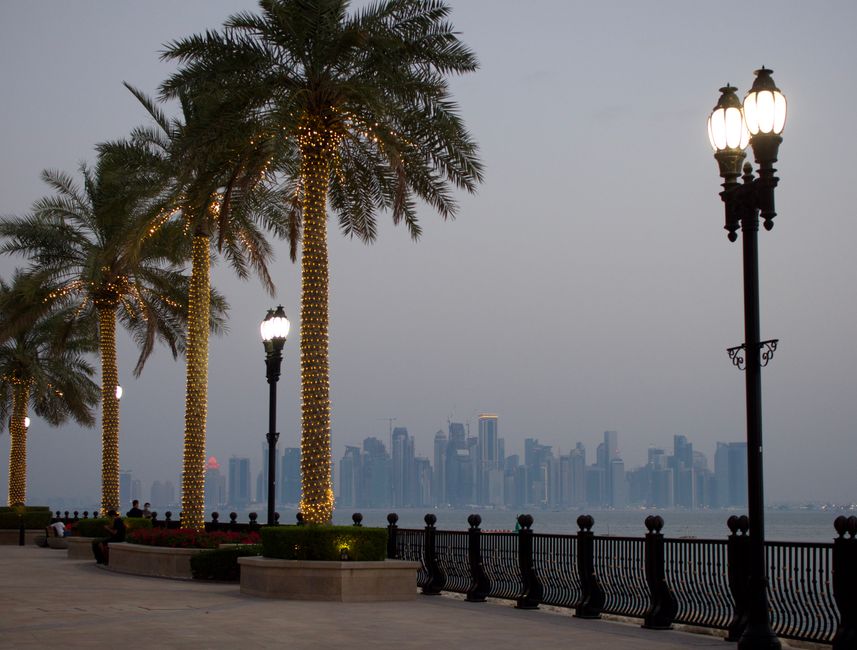
Doha has built considerable infrastructure for exactly this kind of daily routine. The Corniche Promenade — the 7.5-kilometre waterfront stretch running from the Museum of Islamic Art Park toward West Bay — is used by thousands of walkers and joggers every morning before 7am, with dedicated lanes separating pedestrians from cyclists. The city's municipality opened a new outdoor fitness zone near Al Bidda Park in March 2026, adding 22 exercise stations free to the public, targeting residents who cannot afford gym memberships.
For those who prefer climate-controlled environments, Aspire Zone in Al Waab hosts the Oxygen Gym and the Aspire Dome, a 100,000-square-metre multipurpose facility that runs community fitness classes starting at QAR 35 per session. The Qatar Olympic Committee's SportForAll programme, active since 2021, coordinates subsidised group exercise events monthly across multiple neighbourhoods including Al Sadd and Lusail City — specifically designed to lower the financial barrier for residents who cite cost as the main obstacle to regular exercise.
Mental health professionals at the Weill Cornell Medicine Qatar campus in Education City have increasingly integrated exercise referrals into anxiety management plans alongside conventional therapeutic approaches. Staff there advise patients that early morning sessions — before 6:30am during July and August — are the practical window for safe outdoor activity given the heat index.
The practical path forward is straightforward, if not always easy. Residents managing anxiety should aim for five sessions per week of at least 30 minutes each, mixing aerobic and resistance work where possible. The Al Bidda Park outdoor zone and the Corniche track offer free, accessible starting points. Those with clinical anxiety diagnoses should speak to a doctor or licensed therapist at a facility like HMC or Weill Cornell before significantly changing their exercise routine — exercise works best as a complement to professional care, not a substitute for it. Start small, stay consistent, and use the city's morning hours before the summer heat takes hold.