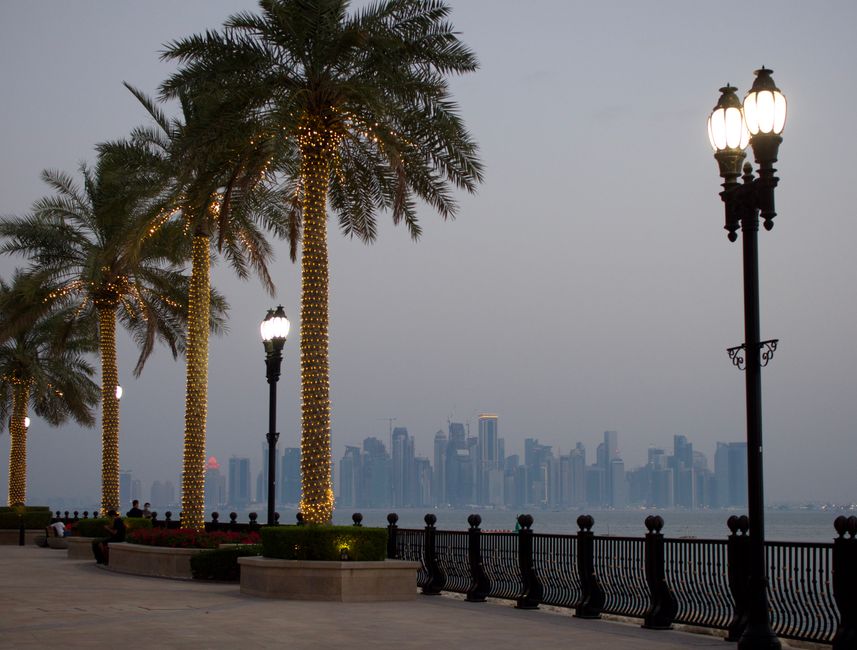
More residents in Doha are unrolling meditation mats for the first time. Enrolments in beginner mindfulness programmes at venues across West Bay and Al Waab have climbed steadily through the first half of 2026, according to figures shared by several local wellness centres, with June alone seeing a 30 percent uptick in first-time bookings compared to the same month last year. The number is modest but the direction is clear.
The timing makes sense. Doha's pace has not slowed. Construction deadlines, World Cup legacy projects, the heat of a Gulf summer that pushes people indoors — these are not abstract pressures. A 2025 report from the World Health Organization's Eastern Mediterranean Regional Office found that one in four adults in the region reported clinically significant anxiety symptoms, a figure that prompted several Gulf governments to expand community mental health resourcing. Qatar's Ministry of Public Health responded in late 2025 by funding a pilot mindfulness curriculum inside three primary care clinics in Al Rayyan. The results from that pilot are expected later this year.
Doha has genuine infrastructure for beginners. The Breathing Space wellness centre in The Pearl-Qatar runs an eight-week Mindfulness-Based Stress Reduction course — the same MBSR model developed at the University of Massachusetts in 1979 — priced at QAR 950 per participant for the full programme. Sessions run on Thursday evenings, which suits residents observing the weekend. Across town, the Josoor Institute in Education City has offered guided meditation as part of its leadership and wellbeing series since 2023, and its free monthly drop-in session on the first Saturday of each month has consistently filled its 40-person capacity within 72 hours of registration opening.
The Qatar Foundation's community health arm also runs a six-week introductory mindfulness series out of the Al Shaqab district, targeted specifically at Arabic-speaking participants — a detail that matters in a city where many long-term residents have been excluded from predominantly English-language wellness spaces.
The Mechanics of Starting
Experts consistently point to three practical anchors for beginners: consistency over duration, a fixed location, and a single technique at a time. Trying to master breath awareness, body scanning and visualisation simultaneously in the first week is the fastest route to abandonment.
Breath-focused meditation is the standard entry point. Sit comfortably — floor, chair, or sofa — close your eyes, and count ten slow exhales. When you lose count, start again. That reset is not failure; it is the actual practice. Research published in the journal JAMA Internal Medicine in 2024 found that participants who practised breath-focused meditation for just 13 minutes a day over eight weeks reported significant reductions in anxiety and improved sleep quality compared to a control group.
Apps can help bridge the gap between sessions. Insight Timer, which as of early 2026 carries more than 180,000 free guided meditations, has a filter for Gulf-region teachers and Arabic-language content. Headspace offers a ten-day beginner course that costs approximately QAR 55 per month after a free trial. Neither replaces a structured class, but both are available at 2 a.m. during a sleepless Doha summer night, which is when many people first decide they need something to change.
One logistical note specific to Doha: the intense outdoor heat between June and September means the early-morning practice windows common in cooler climates — a sunrise walk followed by seated meditation — are not realistic for most residents. Indoor practice, ideally before the working day begins, suits the local calendar better. Many local instructors recommend 6 a.m. as the optimal slot, before the air conditioning has fully compensated for overnight temperatures that rarely dip below 30°C.
Anyone considering meditation as support for a diagnosed anxiety disorder, depression, or chronic pain condition should speak with a physician or licensed mental health professional before relying on it as a primary intervention. The Hamad Medical Corporation's mental health helpline operates around the clock at 16000 for residents seeking a clinical referral. Meditation works best as one tool among several, not as a substitute for professional care.