Wellness
Protein Sources Beyond Meat: A Local Guide
From lentil stalls in Souq Waqif to fortified labneh in Lulu Hypermarket, Doha's shelves and kitchens hold more high-protein options than most residents realise.
4 min read
Updated 15 h ago
Wellness
From lentil stalls in Souq Waqif to fortified labneh in Lulu Hypermarket, Doha's shelves and kitchens hold more high-protein options than most residents realise.
4 min read
Updated 15 h ago
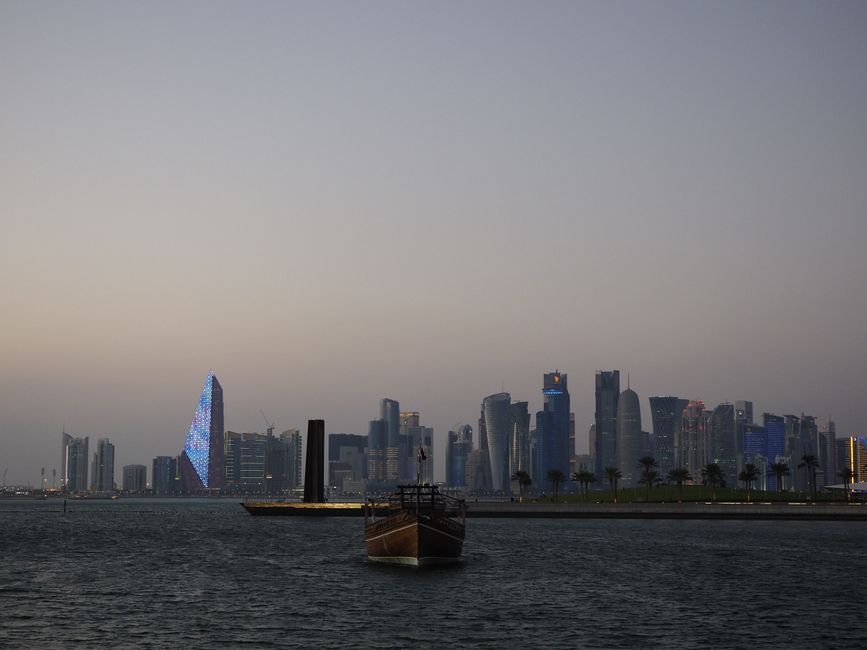
Qatar's per-capita meat consumption ranks among the highest in the Gulf, but a quiet shift is underway. Nutritionists at Hamad Medical Corporation's outpatient clinics reported a 22 percent rise in dietary consultations requesting plant-forward meal plans between January and June 2026 — a number that tracks with the broader regional conversation about sustainable eating and cardiovascular health.
The timing matters. Ramadan 2026 finished in late March, and post-fasting seasons traditionally prompt Doha residents to reassess what they eat. Gym memberships at venues like Oxygen Fitness in The Pearl-Qatar spiked in April, and the question trainers hear constantly now is not just how much protein, but where it comes from. The global conversation around hormones, gut health and longevity — fuelled in part by a flood of new research into how diet interacts with the endocrine system — has made that question more urgent. You do not have to be vegetarian to want an answer.
Start at Souq Waqif. The dried legume stalls along the eastern food corridor stock Egyptian lentils, split chickpeas and black-eyed peas at prices that have barely moved despite global supply pressures — a 500g bag of red lentils runs QAR 3 to 4. Lentils deliver roughly 18 grams of protein per cooked cup and cost a fraction of a chicken breast from Carrefour at Villaggio Mall. That arithmetic is hard to argue with.
Dairy is the other anchor. Gulf-produced labneh — strained yoghurt common across Levantine cooking — packs between 10 and 14 grams of protein per 100 grams depending on the brand. Baladna, Qatar's state-backed dairy company whose Al Khor farm opened in 2018, produces a full-fat labneh widely available at Lulu Hypermarket in Lusail. At QAR 6 to 8 per 200g tub, it is cheaper per gram of protein than most protein bars on the same shelf. Pair it with a wholegrain khubz from the in-store bakery and the meal is already nutritionally serious.
Eggs remain the most underrated source. Qatar's domestic production has climbed since the 2017 blockade forced rapid food self-sufficiency; a tray of 30 eggs at most co-ops in Al Mansoura or Al Wakrah markets costs around QAR 14. Each egg yields 6 grams of complete protein with all nine essential amino acids intact. Hard to beat.
Edamame has quietly moved from Japanese restaurant appetiser to supermarket staple. Carrefour's frozen aisle at the Mall of Qatar now stocks 400g bags for QAR 9. A single cup of shelled edamame contains 17 grams of protein and meaningful amounts of iron — relevant for a city where iron-deficiency anaemia is among the more common nutritional complaints logged by HMC's primary care network.
Hemp seeds and pumpkin seeds deserve attention too. Organic Roots, the health food retailer with a branch on Al Waab Street, stocks shelled hemp hearts at QAR 35 per 300g bag. Three tablespoons stirred into morning porridge or yoghurt add 10 grams of protein along with omega-3 fatty acids. Pumpkin seeds from the same store run cheaper at QAR 18 per 300g and deliver around 9 grams per ounce.
Canned chickpeas — a QAR 2.50 tin at most neighbourhood co-ops across Old Airport Road — are the workhorse of the plant-protein pantry. Roast them with cumin and smoked paprika and they function as a snack, a salad topper or a mezze component that no guest at a Friday gathering will question.
Anyone looking to overhaul their protein intake meaningfully should speak with a registered dietitian before making sweeping changes — HMC's nutrition clinics at Rumailah Hospital take referrals through the Seha app. The goal is not ideology, it is building an eating pattern diverse enough to cover your needs without relying on any single food. Doha's markets, it turns out, are already stocked for exactly that.
Wellness
Wellness
Wellness
Wellness
About this article
Published by The Daily Doha
Spread the word
Daily brief
Free, in your inbox before 7am. Weekdays.
The Daily Network — local news across Australia