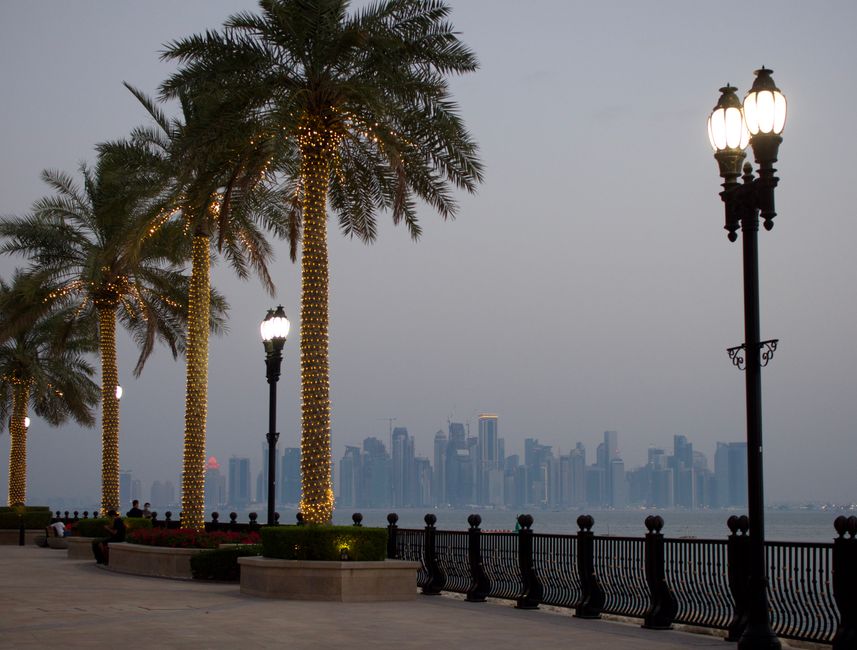
Qatar's workforce never really stops. Roughly 40 percent of the country's employed population works outside standard 9-to-5 hours, according to figures published by the Qatar Statistics Authority in 2025 — a proportion driven by the Gulf's hospitality, healthcare, construction, and logistics sectors, all of which operate continuously. For the nurses finishing 12-hour overnight rotations at Hamad General Hospital on Al Rayyan Road, or the delivery drivers heading out at 2 a.m. from distribution hubs in the Industrial Area, the cost is measured in more than just tiredness.
The timing matters because awareness around circadian health has accelerated sharply over the past 18 months, with new guidance from the World Sleep Society and recent hormonal health research drawing attention to how profoundly disrupted sleep reshapes everything from blood pressure to mental resilience. In Doha's summer months — when July temperatures crack 42°C before 10 a.m. — sleeping during daylight hours carries its own additional burden, compounding the physiological chaos that shift work already creates.
The Local Pressure Points
Talk to anyone working rotating shifts at the Sidra Medicine complex in Education City and the pattern is consistent: the body adapts partially, then fights back. Sleep medicine specialists at Sidra run a dedicated sleep disorders clinic, one of fewer than five such dedicated services operating in Qatar. The clinic, which accepts referrals through Sidra's outpatient system, has reported a marked uptick in consultations from shift workers since 2024, particularly from healthcare and aviation staff based at or near Hamad International Airport.
Meanwhile, corporate wellness programming in Doha has quietly started catching up. Several large employers anchored in the West Bay district, including a number of international banking and energy firms with offices along the Corniche, introduced structured rest protocols in 2025 following updated guidance from Qatar's Ministry of Public Health. The protocols recommend that employees on rotating schedules get at least a 48-hour buffer when switching between day and night blocks — a standard the World Sleep Society endorsed formally in its October 2025 clinical update.
The science is not ambiguous. A large-scale analysis published in the journal Sleep Medicine Reviews in late 2024 found that chronic shift workers face a 33 percent higher risk of developing metabolic syndrome than their day-working counterparts, with the risk rising in environments where outdoor light exposure during intended sleep hours cannot be adequately controlled. In a city where residential buildings in areas like Lusail and Msheireb Downtown Doha vary enormously in their blackout-curtain quality and noise insulation, that detail is not trivial.
What Actually Works
The evidence-backed strategies are specific, not generic. Sleep scientists consistently point to four levers: light management, anchor sleep timing, strategic napping, and temperature control.
Light is the most powerful. Wearing blue-light-blocking glasses during the commute home from a night shift — even on the short metro ride between Al Sadd Station and Msheireb Metro Station — can meaningfully reduce the cortisol spike that morning light triggers, giving the brain a cleaner signal that sleep is approaching. Blackout curtains rated to block 99 percent of light are now widely available at the Villaggio Mall branch of IKEA for around QAR 180 to 250 per panel.
Anchor sleep refers to keeping at least four consecutive hours of sleep at the same clock time regardless of shift pattern — a technique validated across nursing studies in London, Singapore, and Riyadh. It gives the circadian system something consistent to lock onto. Strategic naps, kept under 30 minutes and timed roughly six to eight hours before the main sleep block, reduce accumulated fatigue without pushing sleep onset later.
Temperature is Doha-specific in a way it is not in most cities. Air conditioning should be set no warmer than 19°C to 20°C in the sleep room, cooler than most residents keep their living spaces. The body's core temperature must drop to initiate deep sleep; in a Gulf summer, this requires active intervention, not just cracked windows.
Anyone experiencing persistent sleep disruption beyond two weeks — difficulty initiating sleep, remaining asleep, or managing daytime alertness even after adjusting routines — should contact a licensed physician. Sidra Medicine and Primary Health Care Corporation facilities across Doha both offer sleep-related referral pathways, and appointments can be booked through the Hukoomi government portal. Self-management has real limits, and the research is clear that untreated sleep disorders compound quickly into longer-term health risks.
This article was compiled by AI and screened before publishing. See our editorial standards.