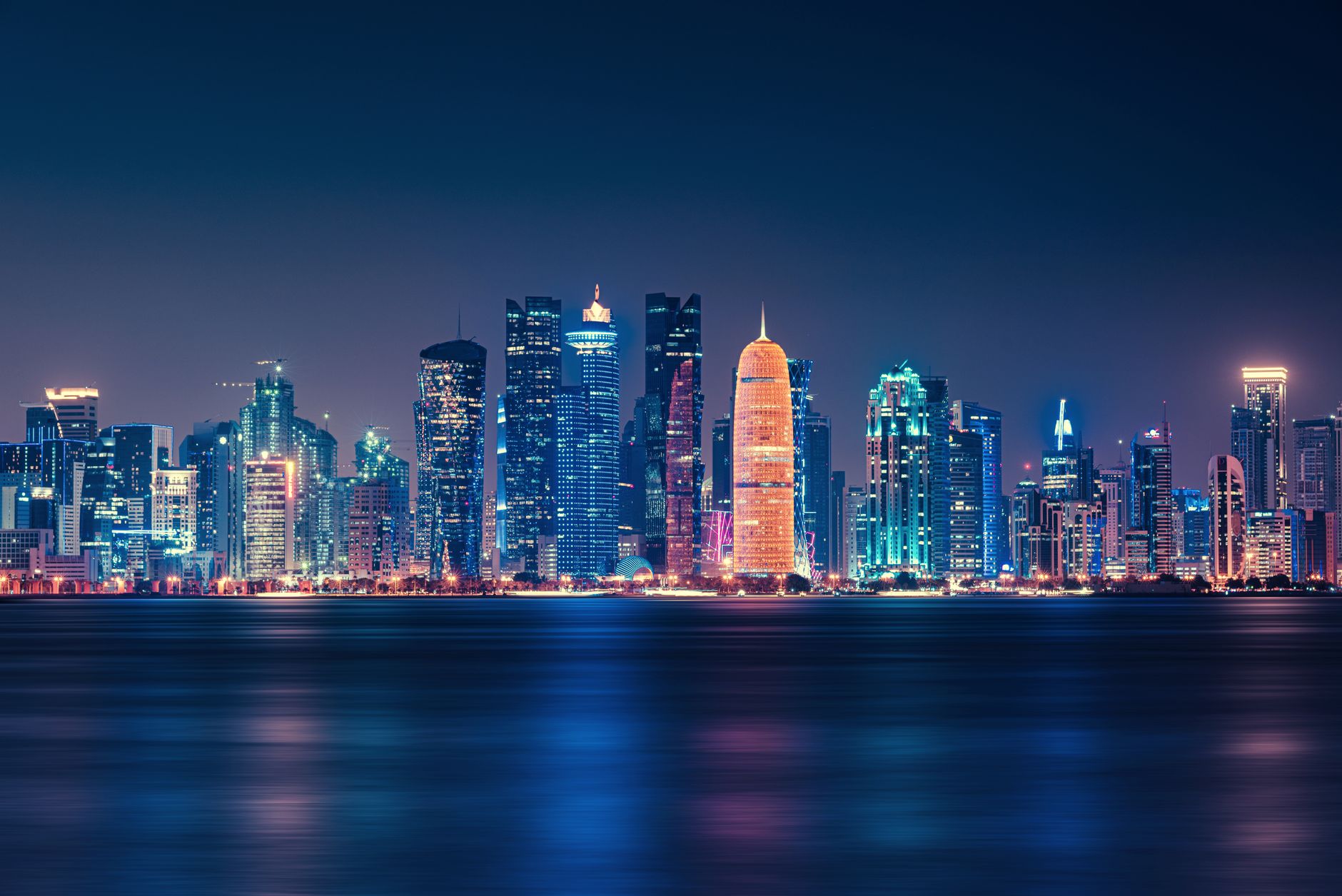
Qatar's technology sector attracted $2.3 billion in foreign direct investment during the first half of 2026, according to figures released last week by the Ministry of Communications and Information Technology, a 34 percent jump over the same period in 2025. The number that analysts keep returning to, though, is smaller and more telling: retention. For the first time, more than 60 percent of startups founded at Qatar Science & Technology Park in Al Rayyan are still operating after five years. The Gulf average sits closer to 38 percent.
The timing matters. Iran's supreme leader is being buried in Tehran today while European capitals are absorbed by Russian fuel shortages and extreme weather. The world's attention is scattered across crises. Doha, by contrast, is methodically building infrastructure, physical and regulatory, designed to outlast any single news cycle.
What Education City Is Actually Producing
Walk through Education City on a Thursday afternoon and the pitch meetings feel nothing like the ones in Dubai's DIFC or Riyadh's King Abdullah Financial District. The Qatar Foundation campus hosts eight international university branches, including Carnegie Mellon Qatar and Texas A&M Qatar, and those institutions have started feeding graduates directly into homegrown ventures rather than sending them abroad. The Qatar National Research Fund disbursed QAR 480 million in grants in fiscal year 2025-26, with roughly 40 percent directed at applied AI and climate technology. That is not charity; it is deliberate pipeline construction.
Qatar Science & Technology Park, which sits on the eastern edge of Education City, now houses more than 120 companies. Several of them are working on problems that are genuinely local and therefore genuinely exportable: desalination efficiency, logistics routing through the Port of Hamad, Arabic-language large language models calibrated for Gulf dialect. The last category has drawn particular attention from regional media groups and government ministries who have found that models trained primarily on North African or Levantine Arabic perform poorly on Qatari administrative text.
The Lusail Factor and Where the Money Is Going
Lusail City, the planned urban district north of central Doha, has become the unexpected address of choice for mid-stage technology companies. Office space on Marina Boulevard runs roughly QAR 140 per square metre per month, comparable to Jumeirah Lakes Towers in Dubai but paired with substantially lower staff visa costs and a corporate tax environment that, since Qatar introduced its 10 percent rate in 2023, has remained predictable. Predictability is the word that founders keep using when asked to compare Doha to regional rivals.
The government's Qatar National Vision 2030 economic diversification programme is a decade old now, and tech investment has become its most visible dividend. Ooredoo, the Doha-headquartered telecommunications group, launched a QAR 200 million venture fund in March 2026 specifically targeting Series A rounds for startups with Gulf market ambitions. That fund has already backed five companies, including a supply-chain visibility platform that began inside Qatar University's engineering faculty.
The ecosystem still has recognisable gaps. Late-stage capital, Series B and beyond, remains scarce domestically, which means successful Doha startups frequently raise their growth rounds from Abu Dhabi's Mubadala or Saudi Arabia's STV. Local investors are aware of the problem. The Qatar Investment Authority has signalled it intends to increase its allocation to domestic venture by the end of 2026, though specific figures have not been confirmed publicly.
For founders weighing their options over the next 12 months, the practical calculus looks increasingly favourable. The MICT is expected to publish revised startup licensing rules by September 2026, cutting average company registration time from 18 days to under 72 hours. Anyone watching that regulatory calendar, and anyone positioned inside Qatar Science & Technology Park when those rules land, will have a meaningful head start on the next cohort trying to build something in this city that actually lasts.