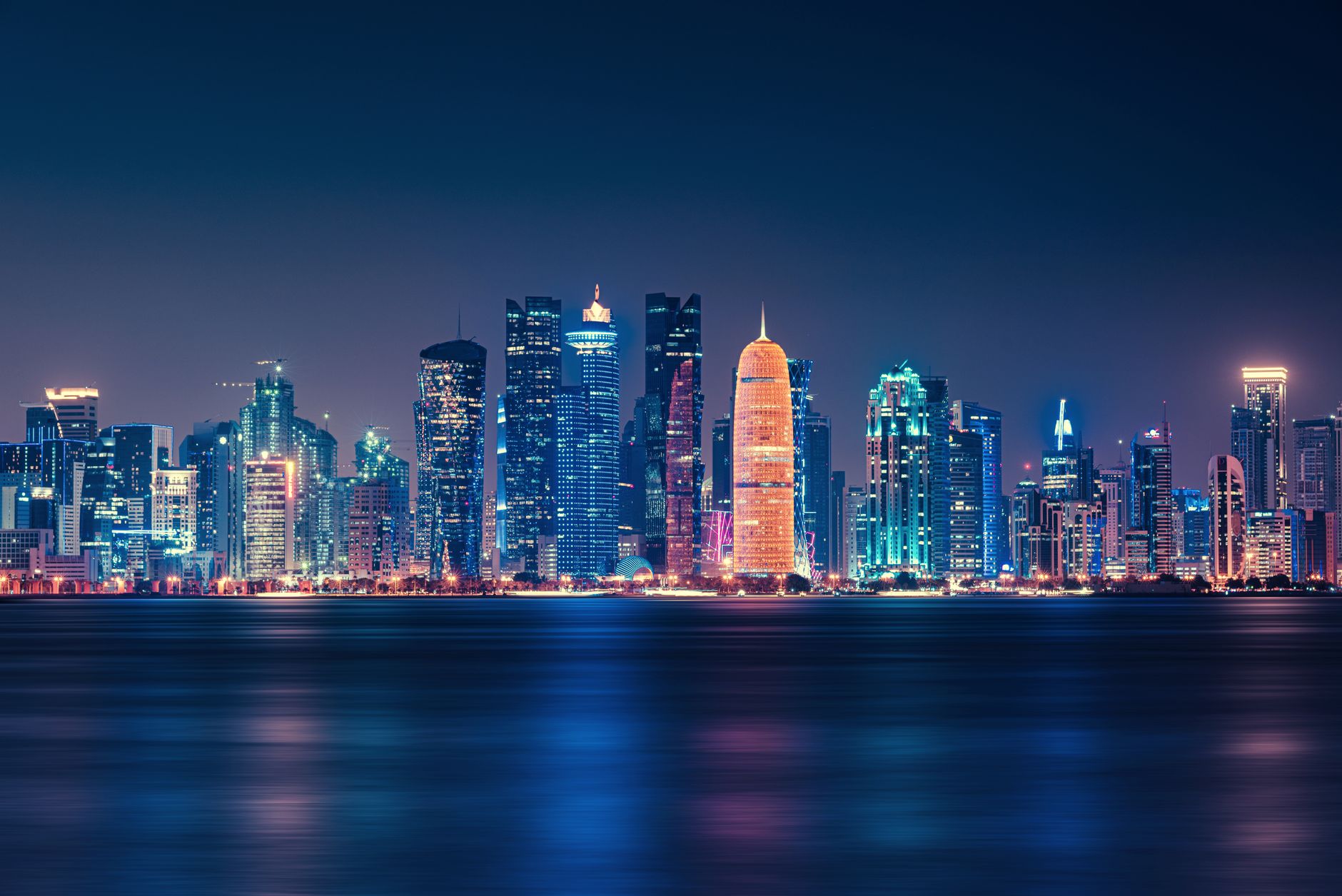
Qatar's Central Bank reported this week that contactless and digital payment transactions crossed 1.2 billion riyals in a single month for the first time in May 2026 — a figure that would have been unthinkable three years ago. The number signals something residents already sense on the ground: cash is becoming an afterthought in Doha.
The timing matters. With summer temperatures cresting 46°C and Europe grappling with a deadly heatwave that killed more than 2,000 people in France last month, Qatar's heavily air-conditioned, app-first economy looks less like a luxury and more like a rational adaptation. Stepping outside to find an ATM or flag a taxi is an increasingly archaic ritual here. Technology — specifically mobile payments, AI-powered delivery platforms, and smart traffic systems — has compressed the distance between want and fulfilment.
Tap to Pay, Anywhere
The Qatar Central Bank's Fawran instant payment platform, which launched in late 2023, now processes peer-to-peer and retail transfers in under four seconds. Merchants at Souq Waqif, the historic market in central Doha that draws both tourists and local families, have adopted QR-code scanners at stalls selling everything from dried limes to handwoven scarves. The shift is not trivial in a market that once ran almost entirely on dirhams and riyals handed across wooden counters.
At Msheireb Downtown Doha — the QR 20 billion smart-city district built by Msheireb Properties — residents of the mixed-use towers already live inside an ecosystem where building access, parking fees, and community-centre bookings run through a single unified app. The district claims more than 95 percent of resident transactions are now conducted digitally. For the roughly 340 families living there, carrying a wallet is optional.
Ooredoo Qatar and Vodafone Qatar, the country's two dominant telecoms operators, have each expanded their mobile-money offerings in the first half of 2026, adding bill-splitting features and integration with government e-services on Hukoomi, Qatar's national digital portal. That integration means a resident can pay a traffic fine, renew a residency permit, and settle a grocery bill from the same phone in under ten minutes.
Algorithms at the Door
Delivery is the other front where technology is visibly reshaping daily life. Talabat, which dominates the food and grocery delivery market in Qatar with an estimated 68 percent share as of Q1 2026, rolled out a predictive ordering feature in April that uses machine learning to pre-position couriers ahead of demand spikes — Friday-night iftar rushes, school-holiday afternoons, and televised football matches. Average delivery times in dense neighbourhoods like Al Sadd and The Pearl-Qatar have dropped to under 22 minutes for grocery orders.
The change is particularly sharp for Qatar's large expatriate working population, many of whom live in accommodation-dense areas like Al Wakrah and Ain Khaled where public transport links remain thin. For a worker finishing a shift at Qatar Foundation's Education City campus in Al Rayyan, a grocery order can arrive at a shared apartment before the bus does.
Smart traffic management is the quieter revolution. Ashghal, Qatar's Public Works Authority, expanded its AI-driven traffic signal system along Salwa Road and the D-Ring corridor in February 2026, cutting average commute times on those arterials by roughly 12 percent during peak hours, according to Ashghal's own published data. Residents who drive the route daily to Hamad International Airport or the industrial area say the difference is perceptible.
For residents looking to take advantage of these shifts, the practical steps are straightforward. Registering a Fawran-linked account through any Qatari bank takes under ten minutes online. Talabat Pass, the platform's subscription service, costs QR 39 a month and waives delivery fees on most orders. And for those navigating the city, the Metrash2 government app now integrates live Ashghal traffic data alongside permit and fine services — one fewer app cluttering a phone screen. The infrastructure is built. The adjustment, for most people in Doha, is already underway.