wellness
أزمة النوم في الدوحة: لماذا يسهر السكان حتى الفجر وما الذي يساعد فعلاً؟
من جلسات الشيشة الليلية على الكورنيش إلى غرف النوم الغارقة في ضوء الشاشات بمنطقة اللؤلؤة، تتضافر عادات حياتية متعددة في تدمير النوم بهدوء في العاصمة القطرية.
استمع عبر العربية · 7 د
كيف أعددنا هذا التقرير
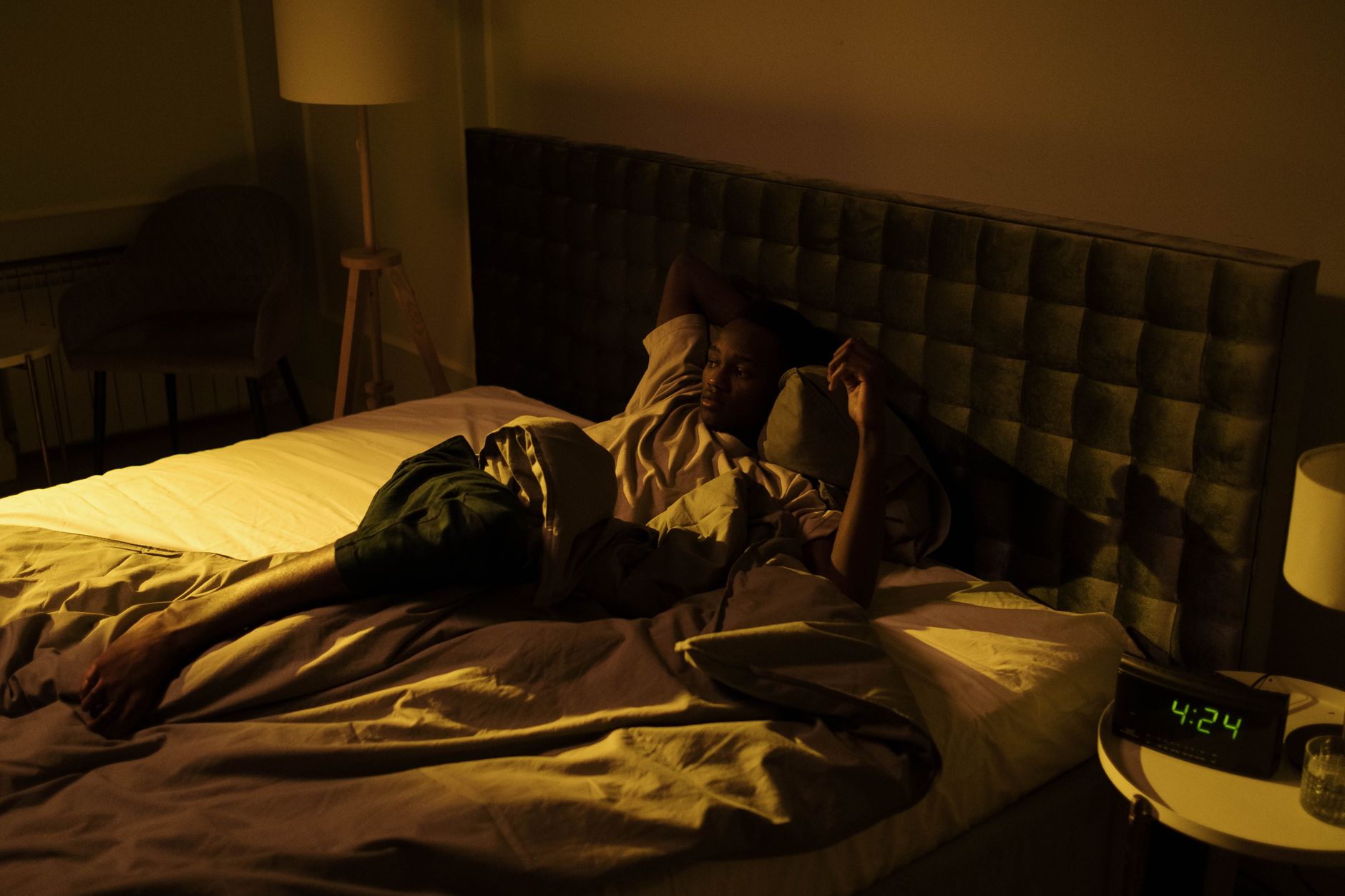
ينام سكان الدوحة ساعات أقل مقارنةً بمعظم دول الخليج، فيما يتسع الفارق بين اللحظة التي يتجهون فيها إلى الفراش وتلك التي يغفون فيها فعلاً. وكشف استطلاع أجرته مؤسسة حمد الطبية أن نسبة كبيرة من المشاركين في قطر يعانون صعوبة في النوم أو الاستمرار فيه ثلاث ليالٍ على الأقل في الأسبوع، وتصدّر الشباب من المهنيين قائمة الأكثر تضرراً. جاءت هذه البيانات دون ضجة تُذكر، غير أن أخصائيي النوم يؤكدون أن الصورة التي ترسمها تستحق وقفةً جادة.
التوقيت هنا بالغ الأهمية. تشهد قطر صيفاً تتجاوز فيه درجات الحرارة 43 درجة مئوية عند الظهيرة بشكل اعتيادي، مما يعني أن معظم الأنشطة الاجتماعية والبدنية تتكدس في الساعات الممتدة بين التاسعة مساءً والثانية فجراً. هذا الإيقاع الحياتي، المتمثل في أمسيات منعشة على الواجهة البحرية تعقبها وجبات متأخرة وسهرات أطول أمام الشاشات، يصطدم مباشرةً بمتطلبات النوم البيولوجية. إذ إن هرمون الميلاتونين، المسؤول عن إشارة الجسم بالاستعداد للنوم، شديد الحساسية للتعرض الضوئي ومواعيد الأكل على حدٍّ سواء. والتأخر في كليهما إلى ما بعد منتصف الليل يُربك الساعة البيولوجية الداخلية للجسم، وحين يتحول هذا إلى نمط متكرر لأشهر متواصلة، ينتقل الاضطراب من مجرد اختلال عابر إلى خلل عميق وراسخ.
حين يلتقي الليل الدوحاوي بعلم النوم
إن تجوّلت على الكورنيش في الحادية عشرة مساءً يوم خميس، ستجد عائلات وهواة جري ومجموعات من الأصدقاء يجلسون في مقاهي الشيشة المنتشرة قرب منطقة الدفنة في أجواء مفعمة بالحيوية. بيد أن النيكوتين، بما في ذلك ما يُستنشق عبر تبغ الأراكيل، مادة منبهة تبقي الجهاز العصبي في حالة تيقظ لساعات بعد انتهاء الجلسة. أضف إلى ذلك وجبة عشاء متأخرة في أحد مطاعم سوق واقف عند منتصف الليل، فيجد الجسم نفسه في وقت واحد أمام ثلاثة تحديات: الهضم، وأثر منبه خفيف، وضجيج الأجواء الاجتماعية، وكل ذلك في اللحظة التي يفترض أن يبدأ فيها بإفراز الميلاتونين.
أما داخل أبراج الشقق السكنية في منطقة ويست باي، فالمشكلة مختلفة وإن كانت بالقدر ذاته من الخطورة. يتصفح السكان هواتفهم أو يشاهدون المحتوى على شاشات تلفزيون ضخمة في غرف قد تُغلق ستائرها المعتمة الضوءَ من الخارج تماماً، لكن الشاشات تظل مضاءة حتى وقت متأخر. وتأثير الضوء الأزرق في تثبيط إفراز الميلاتونين يزداد بزيادة التعرض له؛ فقد خلصت دراسة نُشرت في مجلة Journal of Sleep Research إلى أن التعرض للشاشات مساءً يؤخر الخلود إلى النوم بصورة ملحوظة.
وتزيد رطوبة قطر الأمور تعقيداً على الصعيد الجسدي. ففي يوليو، تظل درجات الحرارة الخارجية تتجاوز 35 درجة مئوية حتى بعد منتصف الليل بوقت طويل، مما يجعل الانتقال من مبنى مكيّف بقوة إلى غرفة نوم دافئة، أو العكس، مربكاً للجسم من الناحية الحرارية. ويحتاج الجسم إلى انخفاض في درجة حرارته الأساسية لبلوغ النوم العميق. في المقابل، تخلق غرف النوم شديدة البرودة جراء أنظمة التكييف المركزية التي لا يمكن ضبطها بشكل فردي مشكلةً معاكسة: برد يُعيق النوم المريح، ويبقي الجسم في حالة من التيقظ لا يستطيع تعويضها.
ما يوصي به أخصائيو النوم والبرامج المحلية
توسّع مستشفى أسبتار للطب الرياضي وتقويم العظام في منطقة أسباير في خدمات الاستشارات المتعلقة بصحة النوم، إذ بات الفريق الطبي يستقبل بصورة متزايدة مرضى من غير الرياضيين مُحالين بتشخيص يُعرف بـ«قصور النوم المزمن»، في مقابل الأرق السريري بمفهومه الدقيق. ويكتسب هذا التمييز أهميةً علاجية بالغة: إذ يستجيب قصور النوم للتعديل السلوكي بشكل جيد، في حين يستلزم الأرق غالباً علاجاً معرفياً منظماً. ويوصي الفريق الخارجي في أسبتار بالاحتفاظ بيومية للنوم قبيل أي موعد طبي، ورقية لا إلكترونية، وذلك تحديداً للحد من وقت الشاشات مساءً.
كما تدير مؤسسة سدرة للطب في المدينة التعليمية برنامجاً متخصصاً لاضطرابات النوم يقبل الإحالات الطبية والتسجيل الذاتي المباشر. ويرتكز البروتوكول الأولي الذي يقدمه البرنامج للبالغين الأصحاء على ثلاثة محاور رئيسية: الاستيقاظ في توقيت ثابت سبعة أيام في الأسبوع بصرف النظر عن جودة الليلة السابقة، والامتناع عن تناول الطعام لفترة محددة قبل موعد النوم المقصود، وقضاء وقت خالٍ من الشاشات قبيل النوم يشمل القراءة أو تمارين التمدد أو الجلوس على الشرفة، شريطة ألا تتحول الشرفة بدورها إلى جلسة تصفح للهاتف.
أما من لم يحسم أمره بعد للتوجه إلى عيادة متخصصة، فإن الخطوات الأساسية متاحة ومجانية تماماً: اضبط الحرارة في غرفة نومك على مستوى مريح، وأنهِ جلسة الشيشة أو القهوة في وقت أبكر، وتقدّم بموعد العشاء الاجتماعي المتأخر قدر الإمكان بدلاً من تركه لمنتصف الليل. لا شيء من هذا يستدعي تغييراً جذرياً. لكن في ضوء بيانات النوم المتردية في قطر، وما يرتبط بالنوم السيئ المزمن من ارتفاع في مخاطر أمراض القلب والأوعية الدموية، واضطرابات التمثيل الغذائي، وتراجع الوظائف الإدراكية، فإن تجاهل هذه المسألة يكلّف أكثر مما يدرك معظم السكان. استشر مختصاً طبياً في محيطك للحصول على نصيحة تناسب وضعك الشخصي.