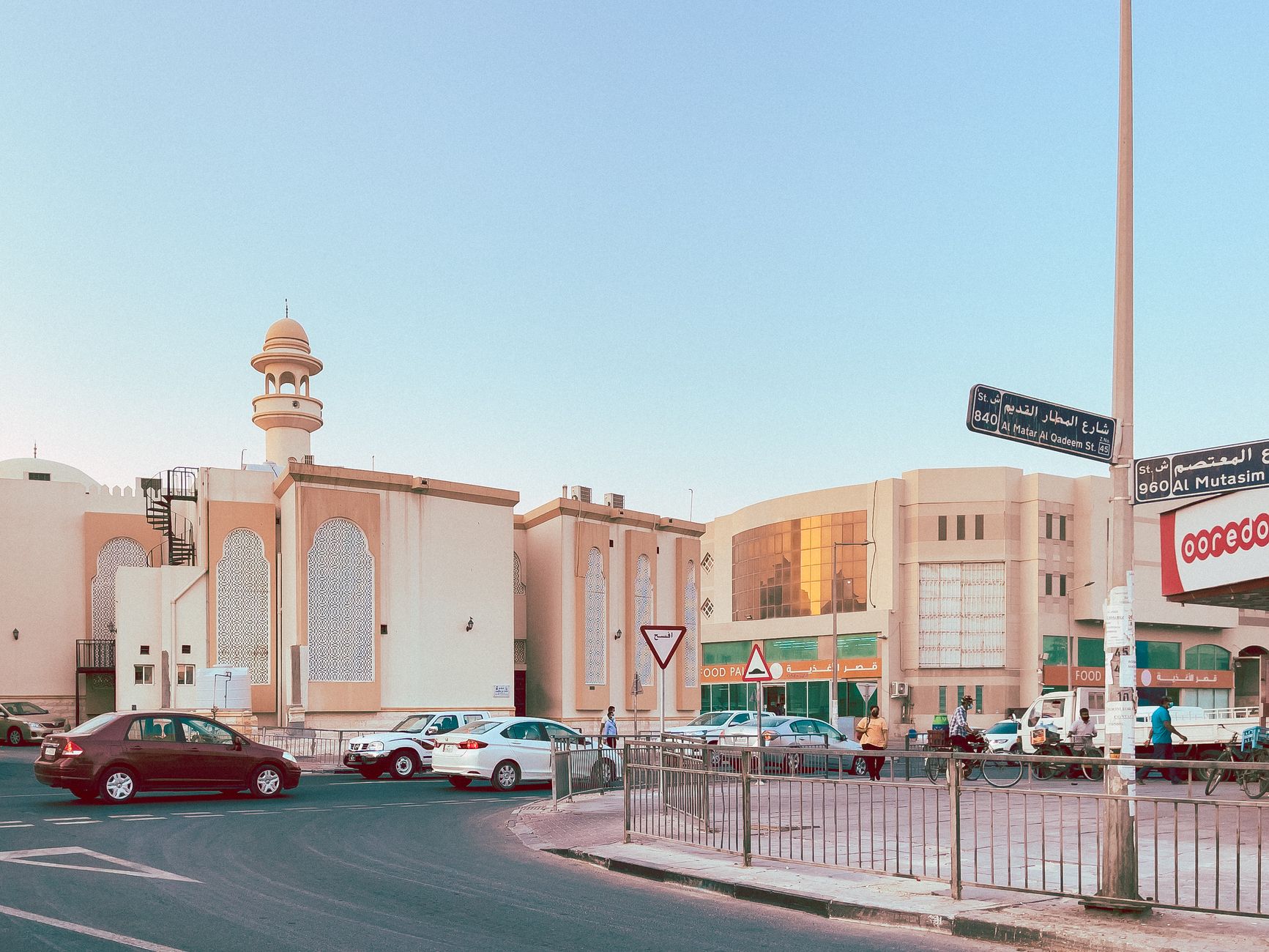
Doha in 2026 is a city still riding the wave of confidence generated by hosting the 2022 FIFA World Cup. The stadiums that once roared with eighty thousand fans have been repurposed as community hubs, concert venues, and business conference centres, each one a reminder that Qatar bet heavily on global visibility and won. The Museum of Islamic Art, perched on its own island promontory, remains the cultural crown jewel -- its permanent collection of 14th-century Quran manuscripts, Persian miniatures, and Mughal jewellery drawing over a million visitors annually. Adjacent to it, the new MIA Park hosts weekend markets, food trucks, and outdoor cinema screenings against a backdrop of dhows crossing the bay.
The West Bay skyline tells a story of ambition compressed into three decades. Skyscrapers designed by Jean Nouvel and Rem Koolhaas stand beside glass towers still rising from construction cranes, while at street level the Corniche -- a seven-kilometre waterfront promenade -- remains the city's democratic living room. Locals jog at dusk, families spread picnic mats, and visiting dignitaries stroll within sight of the Amiri Diwan. Across the bay, the Pearl-Qatar island neighbourhood offers boutique shopping, French and Italian restaurants, and a marina culture that feels transplanted from Monaco.
Inland, Souq Waqif rewards several hours of wandering through its reconstructed mud-brick lanes. Spice vendors, falcon outfitters, art galleries, and shisha cafes occupy the same narrow streets they have for centuries -- at least in spirit, if not in original architecture. The National Museum of Qatar, designed by Jean Nouvel to evoke interlocking desert roses, tells the full sweep of Qatari history from nomadic Bedouin origins to petro-state superpower. For the adventure traveller, inland desert safaris depart daily from the city perimeter, offering dune-bashing, camel riding, and star-gazing under skies untouched by light pollution.