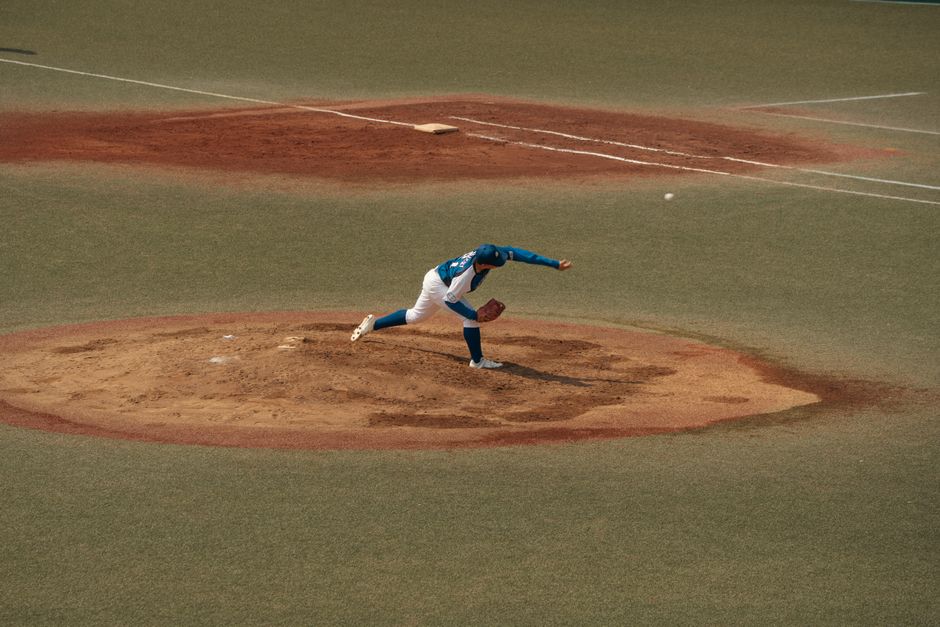
More than 14,000 residents registered with community sport programs across Doha's municipalities in the first half of 2026 — a 23 percent jump on the same period last year, according to figures compiled by the Qatar Olympic Committee. The numbers tell a story that the Lusail skyline and the Pearl-Qatar marina tend to obscure: the most consequential sports development happening in this city right now is not in a professional stadium. It is in a car park in Al Wakra on a Thursday evening, or on a dusty 5-a-side pitch behind the Al Aziziyah co-operative.
The timing matters. Qatar's post-World Cup strategy always hinged on the idea that elite infrastructure would trickle down into everyday participation. That was the promise of the 2022 legacy plan, and for years critics argued the evidence was thin. The 2026 numbers suggest something is genuinely shifting — driven less by government diktat than by a generation of coaches and organisers who simply started showing up.
The Clubs Doing the Heavy Lifting
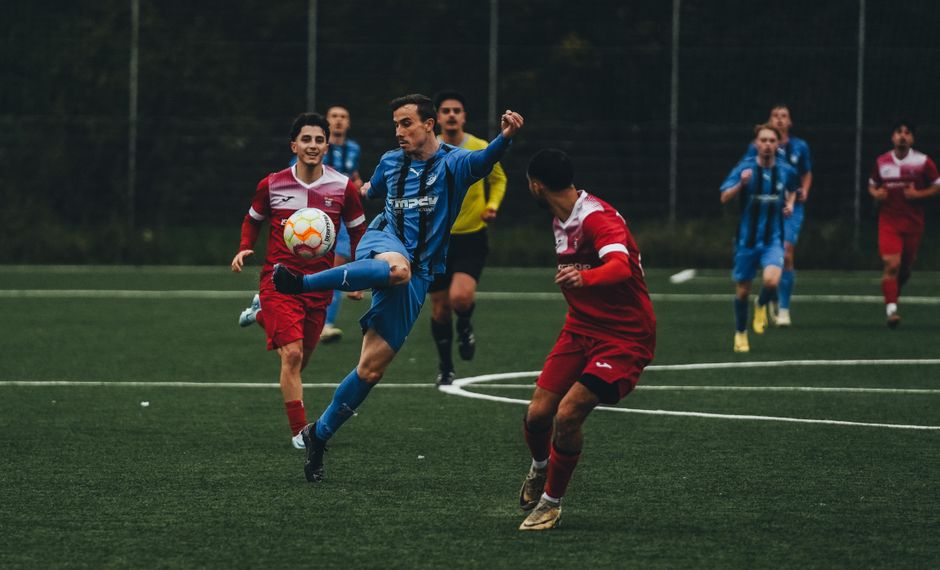
The Al Wakra Community Sports Club, founded informally in 2019 and formally registered with the Ministry of Culture and Sports in January 2023, now runs eight separate programs across football, padel, and women's athletics. On any given Saturday morning, roughly 300 participants move through its two sand pitches and borrowed gymnasium space at the Al Wakra Sports Complex on Al Majd Street. Membership costs QR 150 per quarter — about $41 — a fee deliberately kept below the commercial gym rate to keep the door open for workers in the industrial zones nearby.
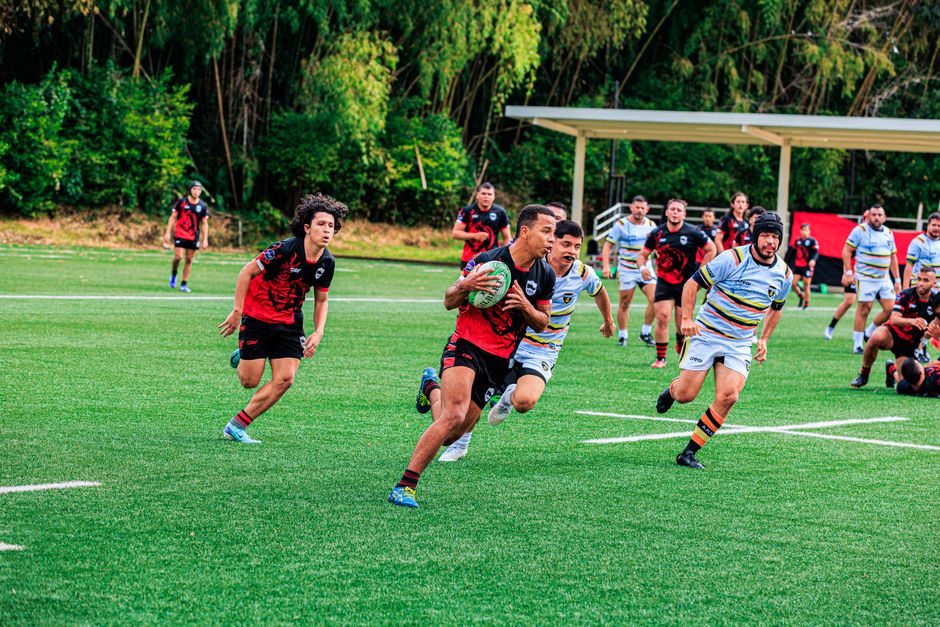
Across the city in West Bay, the Doha Expat Sports Network has taken a different approach. Operating out of the Al Dafna recreational zone and partnering with QF-affiliated venues when courts are available, the network coordinates more than 40 weekly sessions spanning cricket, basketball, and touch rugby. Volunteer coordinators manage the scheduling through a WhatsApp ecosystem that numbers nearly 8,000 members. The network charges nothing for participation — it funds operations through a rotating sponsorship model that brought in QR 220,000 from local businesses in 2025.
Neither organisation is glamorous. Neither has a press officer. That is largely the point.
Numbers That Undercut the Narrative
Qatar's National Sports Day, held each February, typically generates a one-day spike in participation data that advocates say flatters the actual picture. Strip out that single annual event and the sustained growth in registered community sport still runs at roughly 18 percent year-on-year since 2023, per QOC figures. Women's participation has climbed fastest: the number of women registered in non-elite community sport programs rose from approximately 1,900 in January 2024 to just over 3,400 by June 2026. Programs specifically targeting Qatar's large South and Southeast Asian migrant worker population — concentrated in areas like Industrial Area and Abu Hamour — account for nearly a third of total registrations.
The Aspire Zone Foundation, which manages the sprawling 250-hectare Aspire Park complex in Baaya district, quietly expanded its free community access hours in March 2026, adding six morning slots per week. Early uptake data shows those slots filling within 48 hours of weekly release, suggesting demand is outpacing even the expanded supply.
For anyone looking to get involved, the entry points are more accessible than the city's elite-sport reputation implies. The QOC maintains a searchable directory at its Sports House offices on the Corniche, updated monthly, listing registered clubs by district, activity type, and cost. Al Wakra Community Sports Club opens registration for its Q3 cycle on July 14. The Doha Expat Sports Network accepts walk-ins at any session, with the Al Dafna touch rugby group meeting every Friday at 6:30 a.m. to beat the July heat — a scheduling adjustment that, given the brutal temperatures hammering cities across the Northern Hemisphere this week, looks less like caution and more like hard-earned local wisdom.