Property
Rent-Vesting in Doha: Is the Hybrid Strategy a Smarter Path to Property Ownership?
The rent-vesting trend is reshaping affordability debates for young professionals in Lusail, Msheireb and beyond.
3 min read
Property
The rent-vesting trend is reshaping affordability debates for young professionals in Lusail, Msheireb and beyond.
3 min read
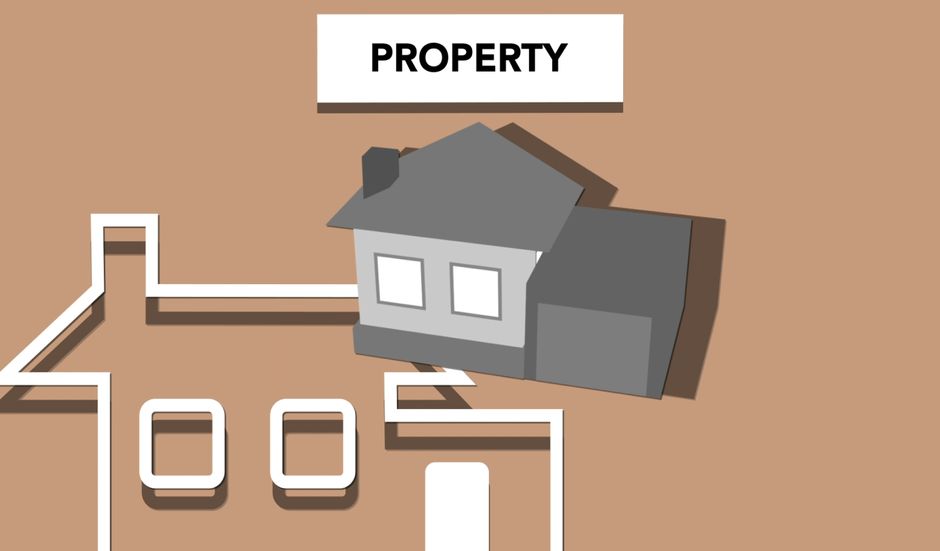
Soaring apartment rents in West Bay—but stable yields in Al Sadd—are driving a quietly growing trend among young professionals and expats in Doha: rent-vesting. Instead of buying where they wish to live, more residents are choosing to rent prime apartments downtown while purchasing investment property in up-and-coming neighbourhoods far from the Corniche.
The question of buying versus renting has never been more urgent. Real estate analysts at the Qatar Real Estate Association say purchasing even a one-bedroom apartment in Msheireb Downtown now requires a deposit approaching QAR 440,000, pricing many first-time homebuyers out of the city centre. Lusail has seen off-plan launches at lower entry points, but competition remains fierce for not just the property, but the lifestyle and commute that come with it. In a year marked by the twin pressures of record inflation and job market uncertainty, the rent-vesting strategy is being touted by brokers as Doha’s answer to affordability woes.
Property firm Just Real Estate, headquartered on C-Ring Road, has tracked a 17% jump this year in buy-to-let inquiries in fringe areas like Al Wakra and Muaither, as locals and long-term expatriates run the numbers on rent-vesting. Al Waab, with its family-friendly new compounds, has emerged as another hotbed for investment purchases even as would-be buyers sign twelve-month lease renewals in tower apartments near City Center Mall or along Diplomatic Street in West Bay. The trend is especially pronounced among dual-income households and white-collar workers employed in energy, consulting and government sectors.
Data from the ValuStrat Price Index shows average rents for a two-bedroom flat in The Pearl have hit QAR 11,000 per month, up 6% since last Ramadan. Meanwhile, the price for a modest 90-square-metre investment apartment in Muaither sits near QAR 800,000—substantially less than half the cost for comparable space in Lusail’s Marina District, according to the latest listings from NelsonPark Property. Rental yields in some southern suburbs are reported to be as high as 8.5%, compared to under 5% for central Doha. Qatar National Bank’s home loan programme currently requires 20% down, making the risk and liquidity calculations for rent-vesting less daunting than buying a high-end central property.
Financial advisers at Doha Bank, who have run seminars on property investment for Qatari nationals and residents, note that younger buyers who rent in Msheireb or West Bay Place can invest surplus cash in multiple units farther afield—diversifying against vacancy risk. Still, the approach isn’t without pitfalls: purchasing outside key growth corridors can mean slower capital appreciation and potentially higher maintenance costs.
Looking ahead, analysts say demand for affordable, investment-oriented homes will only rise, particularly as Qatar gears up for the Grand Expo in Lusail next year and the infrastructure push continues in southern districts. For would-be buyers contemplating rent-vesting, the message from brokers is clear: get to know Doha’s investment map—down to the street—before you sign your next lease or mortgage agreement.
Property
Property
Property
Property
About this article
Published by The Daily Doha
Spread the word
Daily brief
Free, in your inbox before 7am. Weekdays.
The Daily Network — local news across Australia