Politics
Doha's Urban Plan Tackles Fragmented Neighborhoods With Mega-Projects
Residents in Doha's disconnected neighbourhoods stand to gain or lose depending on whether planning entities improve links between isolated zones and existing amenities.
How we reported this
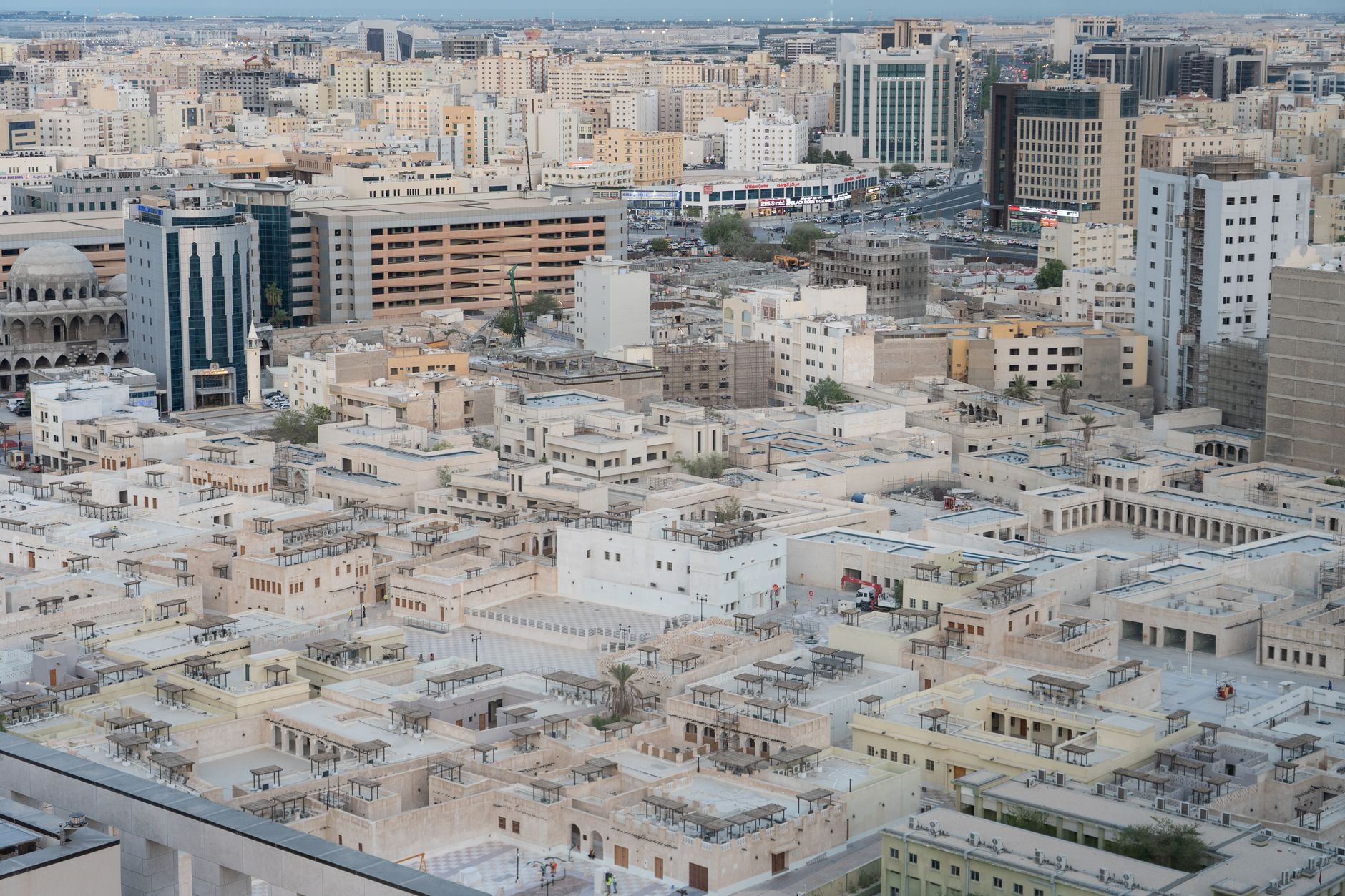
The Qatari government's push for sustainable urban development directly addresses coordination gaps among the multiple entities that shape Doha's growth, affecting residents who live in separate urban clusters with limited connections to jobs, shops and services.
Why Coordination Gaps Matter in Doha's Current Expansion
Doha has grown from around 450,000 people in 1995 to nearly 2 million residents, according to the 2018 analysis by Simona Azzali and Mattia Tomba published by the Middle East Institute at the National University of Singapore. This expansion produced polycentric zones that developed without an overarching master plan, leaving many neighbourhoods reliant on private vehicles amid high summer temperatures and absent pedestrian routes.
Oil and gas revenues continue to fund infrastructure such as roads and power networks, yet the same revenues also support large single-use developments that reinforce separation between districts. Local residents in newer peripheral areas therefore face longer travel times for daily needs while central mega-projects receive priority investment.
Who Gains Access and Who Remains Isolated
Households near completed shopping malls, hotels and sports facilities benefit from concentrated amenities and employment nodes. In contrast, families in outlying clusters experience social and spatial separation because transport links and mixed-use planning remain limited across the city.
The source document notes that construction patterns have favoured rapid horizontal spread over integrated neighbourhoods, meaning lower-density zones often lack nearby schools or hospitals even as overall population density stays low. This pattern determines which communities can reach services without extended car journeys.
Analysts note that any improvement in inter-agency planning would first reach areas already tied to major infrastructure corridors, while more remote clusters would require additional steps to gain equivalent access.
The government states that future master-planning efforts will emphasise sustainability measures, with expected outcomes including better public-transport options and reduced reliance on single-land-use zones across Doha.