Politics
Doha Municipality Strategic Development Plan Sets Zoning Rules for Development Applications
The plan requires all development proposals in Doha to follow defined zoning categories and permit steps that directly shape where and how residents can build or modify properties.
How we reported this
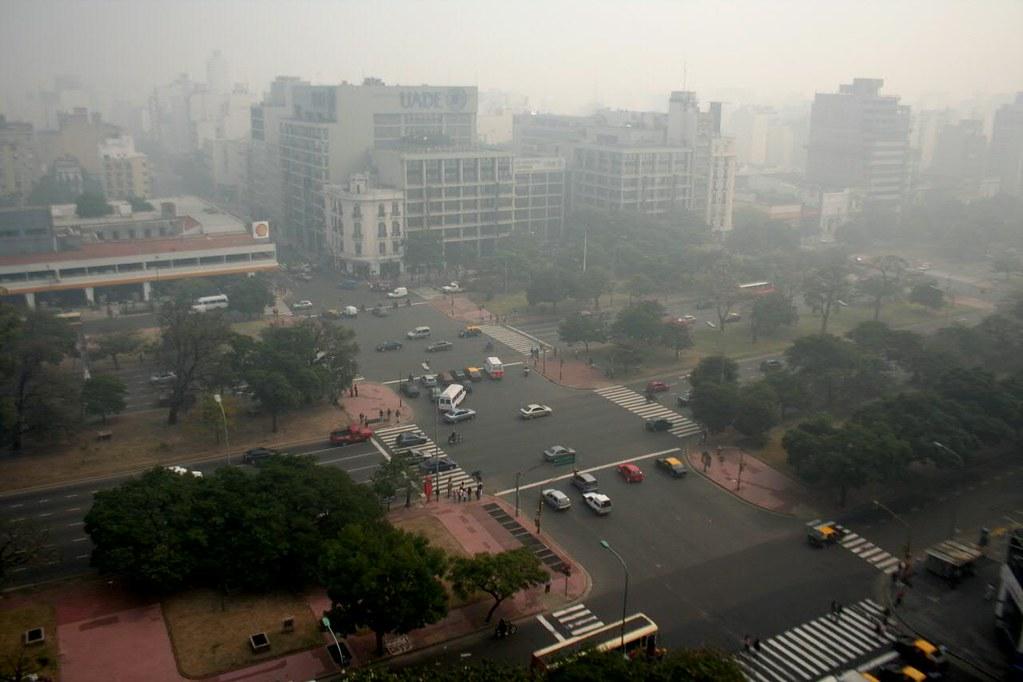
The Doha Municipality Strategic Development Plan holds full legal force and determines the zoning maps used to assess every development application across the city, with its strategic framework extending to 2032.
Zoning Categories and Residential Standards
Doha zoning divides land into categories such as Low-Density Residential (R1), High-Density Residential (R5), Residential Tower (R6), Commercial, Mixed-Use, Industrial zones, Greenbelt, and Tourism, each specifying permitted, conditional or prohibited uses. In the Low-Density Residential (R1) Zone, single villas must meet a minimum lot size of 600m², while attached villa developments are limited to a maximum of 950m² for two villas and require at least one lot boundary of 20m. Urban uses remain strictly prohibited in the Greenbelt Zone, and development in Open Space and Green Belt Zones faces heavy restrictions with limited permitted uses and required environmental assessments.
These rules affect residents seeking to construct or alter homes, as applications for villas or other structures must align with the specific zone standards before any work proceeds. The restrictions on Greenbelt areas limit expansion options near protected zones, directing growth toward designated residential and mixed-use districts instead.
Permit Requirements and Compliance Steps
All development work in Doha requires a building permit approved by the Municipality, the Planning Department, and service authorities including Electricity, Water and Civil Defence. A completion certificate must follow to confirm regulatory compliance. Residents planning projects therefore encounter these sequential approvals as the practical mechanism that enforces the zoning maps set by the plan.
Applications continue to be evaluated against the established zoning framework, so changes to property use or new construction follow the same review process that has applied under the plan. The government projects that assessments will remain consistent through the plan's 2032 horizon without additional announced shifts in the core requirements.