news
Doha Officials and Experts Discuss Ambitious Infrastructure Projects Underway
With significant investments across transport and drainage, Qatar’s infrastructure priorities are shaping the city’s future, say officials and experts.
How we reported this
Doha is in the midst of a sweeping infrastructure transformation, with key officials and experts highlighting major projects set to reshape the city. Completion of the Doha Metro network by 2026 is a centerpiece, expanding to nearly 300 km of track and over 95 stations. Meanwhile, the Public Works Authority (Ashghal) rolled out a QAR 81 billion (approx. $22 billion) strategic plan in July 2025 focusing on drainage and resilience enhancements, including two large rainwater tunnels in northern and southern Doha.
Why Now: Strategic Priorities in Infrastructure Development
The rush to finish critical projects comes amid increasing demands for urban connectivity and preparedness for climate challenges. Officials emphasise that Doha’s growth and sustainability depend on coordinated advances in transportation and flood management. The metro network expansion, valued at about $36 billion, is intended to ease congestion and provide reliable alternatives to car travel. Simultaneously, Ashghal’s five-year plan is designed to reduce flood risks by prioritising infrastructure that manages heavy rainwater flows, reflecting a growing focus on environmental resilience.
Looking Closer: Key Projects Across the City
The $12 billion Sharq Crossing Project is among the highest-profile undertakings, constructing a 12 km connection involving bridge and subsea tunnel infrastructure between the northern and southern parts of Doha. This project, initially relaunched in the 2020 national budget, is instrumental in linking neighborhoods and facilitating smoother road transport.
In the city’s northwest, Ashghal began the Izghawa & Al Thumaid Infrastructure Development Project in late 2024 or early 2025. This $187 million initiative supports 669 residential plots with upgraded roads and utilities, indicating a continued push into new and growing residential areas.
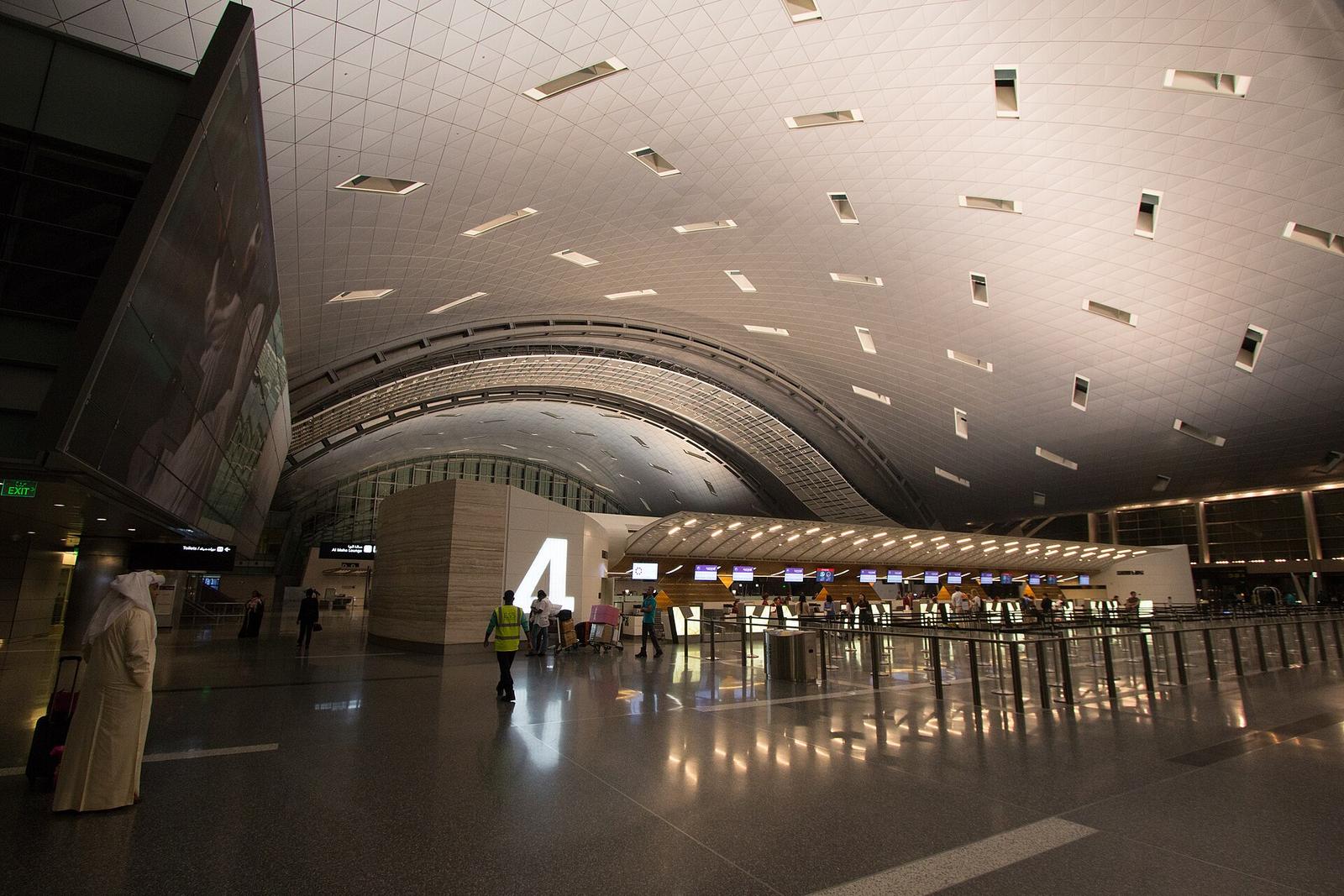
At the country's busiest gateway, Hamad International Airport’s Phase 2 expansion has been underway since January 2023. The project aims to increase the airport’s passenger capacity above 70 million annually, preparing Qatar for rising air traffic and reinforcing its global connectivity roles.
Quantifying Commitment: Investments and Timelines
The scale of investment is considerable. The metro project alone commands a $36 billion budget with completion targeted in 2026. Ashghal’s five-year plan allocates QAR 81 billion (approximately $22 billion) across multiple infrastructure priorities from 2025 through 2029, with a clear focus on flood prevention and urban development. Meanwhile, the Sharq Crossing’s $12 billion investment and the $187 million Izghawa & Al Thumaid project underline the sustained capital allocation towards improving life in both central and peripheral districts of Doha.
Experts observe that these investments not only address immediate operational needs but also instil long-term resilience and growth capacity, aligning with broader government strategies for 2050 and beyond.
Overall, infrastructure leaders articulate a vision where enhanced public transit, improved road links, expanded airport facilities, and robust drainage systems work in tandem to support Doha’s expanding population and its status as a regional hub.
Next Steps: Watching Completion and Integration
Looking forward, city planners and infrastructure authorities aim to synchronise project completions with broader urban planning goals. The final phase of the Doha Metro’s nearly 300 km network is expected in 2026, setting a milestone for public mobility. Ashghal’s drainage tunnels, meanwhile, promise to mitigate flood risks once operational.
Continuous monitoring and efficient management will be key to maximising the impact of these projects. Residents and businesses are advised to stay informed on construction progress in affected areas, especially around Sharq Crossing and northwest Doha, where road and utility works continue.
As these major projects come online, officials and experts alike acknowledge that ongoing investment and adaptive planning will be necessary to meet Doha’s evolving infrastructure demands well into the future.