news
Infrastructure Boom in Doha: What Happens Next and the Key Decisions Ahead
With major projects nearing completion, Doha faces critical choices on managing growth and sustainability in the coming years.
How we reported this
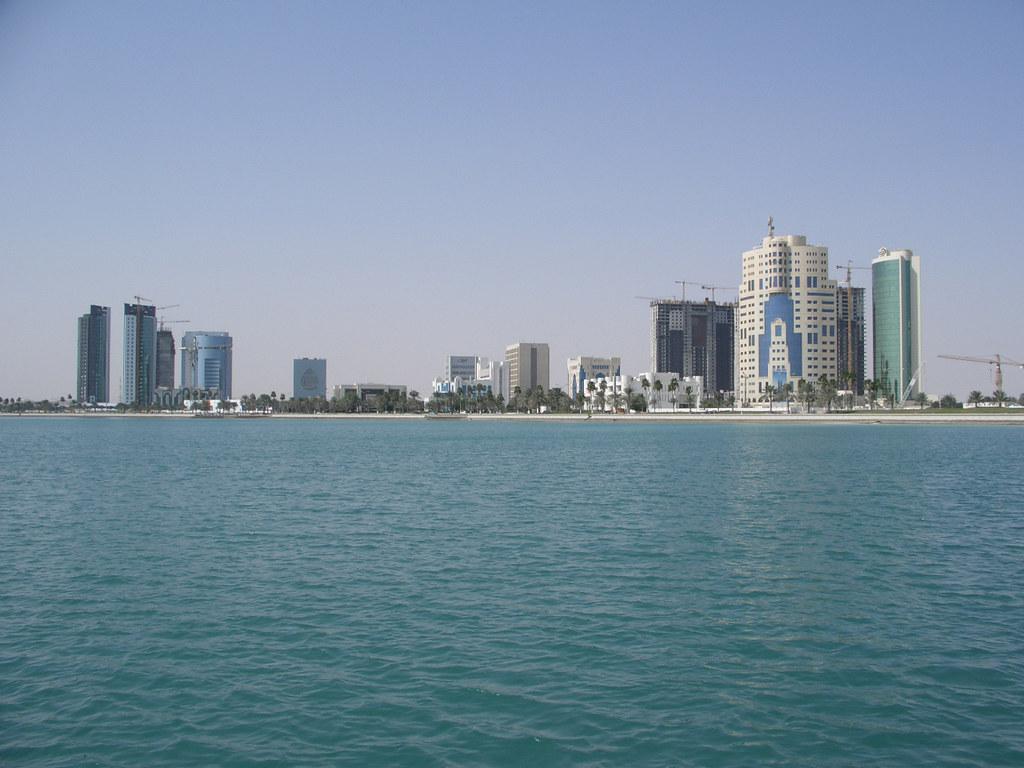
Doha's infrastructure development is entering a pivotal phase as numerous large-scale projects approach key milestones. The Public Works Authority (Ashghal) has been advancing a sweeping 5-year strategic plan valued at QAR 81 billion ($22 billion) since 2025, targeting infrastructure upgrades across the city and new residential districts. Among these efforts, the completion of the Doha Metro network in 2026, expanding to nearly 300 km of track and over 95 stations with an investment of approximately $36 billion, stands out as a milestone shaping urban mobility.
Why This Matters Now
With Doha's rapid growth over recent decades driven by population increases and economic diversification, the infrastructure expansion is critical to support quality of life and ensure sustainable urban development. The initiation of two major rainwater tunnels in northern and southern Doha highlights a focus on sustainability and flood resilience, addressing challenges posed by the city's unique climate. Concurrently, the Ministry of Transport's updated Qatar Bicycle Master Plan signals a push toward safer, more integrated micromobility options.
Complementing transport upgrades, Ashghal's investment in the Izghawa and Al Thumaid Infrastructure Development Project on Doha's northwest fringe includes QAR 688 million ($187 million) allocated for road improvements and utilities serving 669 residential plots, responding to growing demands for housing and connectivity.
Local Projects and Strategic Initiatives
Besides the metro and tunnel projects, infrastructural efforts include the ongoing Sharq Crossing Project, a $12 billion initiative establishing a 12-km connection between North and South Doha through bridge and subsea tunnel segments. This project, relaunched as part of Qatar’s 2020 budget, will alleviate traffic load and foster economic integration across districts.
Moreover, the Ministry of Transport is laying groundwork for the long-term Qatar 2050 Transportation Master Plan, envisioning expanded metro and light-rail transit lines by 2030 to support future urban growth and reduce reliance on cars. At the same time, Hamad International Airport’s Phase 2 expansion, underway since January 2023, aims to increase passenger capacity beyond 70 million annually to accommodate rising air travel demand.
Evidence and Challenges Ahead
These projects collectively represent tens of billions of Qatari riyals in capital expenditure, backed by coordinated planning and phased execution that incorporate sustainability criteria, flood resilience, and diversified transport modes. The scale of the Doha Metro alone, nearing a third of a thousand kilometers of track and nearly 100 stations by the end of 2026, illustrates the ambitious infrastructure build-out underway.
However, the city faces pivotal decisions: balancing rapid expansion with environmental resilience, integrating new transit options with existing urban fabric, and ensuring infrastructure serves both newly developed neighborhoods and established communities effectively. The prioritization of flood-control tunnels underscores how climate adaptation must feature prominently alongside transport and residential growth.
What Happens Next?
Moving forward, authorities will need to focus on managing operational readiness and interoperability of the extended metro network, completing strategic road and utility upgrades in newly developing zones, and embedding micromobility into the transport ecosystem per the bicycle master plan guidance. Monitoring the impact of these infrastructure enhancements on traffic flows, environmental sustainability, and public uptake will be crucial.
Meanwhile, the upcoming implementation phases of Ashghal’s strategic plan for 2025-2029 require continuous assessment to align investments with evolving population patterns and emerging challenges. Phased expansions such as the Izghawa and Al Thumaid Infrastructure Development Project will offer insights into delivering infrastructure efficiently in outlying areas.
Stakeholders and city planners must also make deliberate choices about future budget allocations and sector prioritization, especially as the 2050 Transport Master Plan takes shape and the airport expansion progresses. Ultimately, Doha's trajectory depends on leveraging current achievements while maintaining adaptive and sustainable infrastructure frameworks to support long-term urban resilience and connectivity.