news
Doha's Decades of Strategic Planning Built Today's Modern Infrastructure
Years of steady urban expansion decisions have shaped the capital's roads, utilities and public spaces.
How we reported this
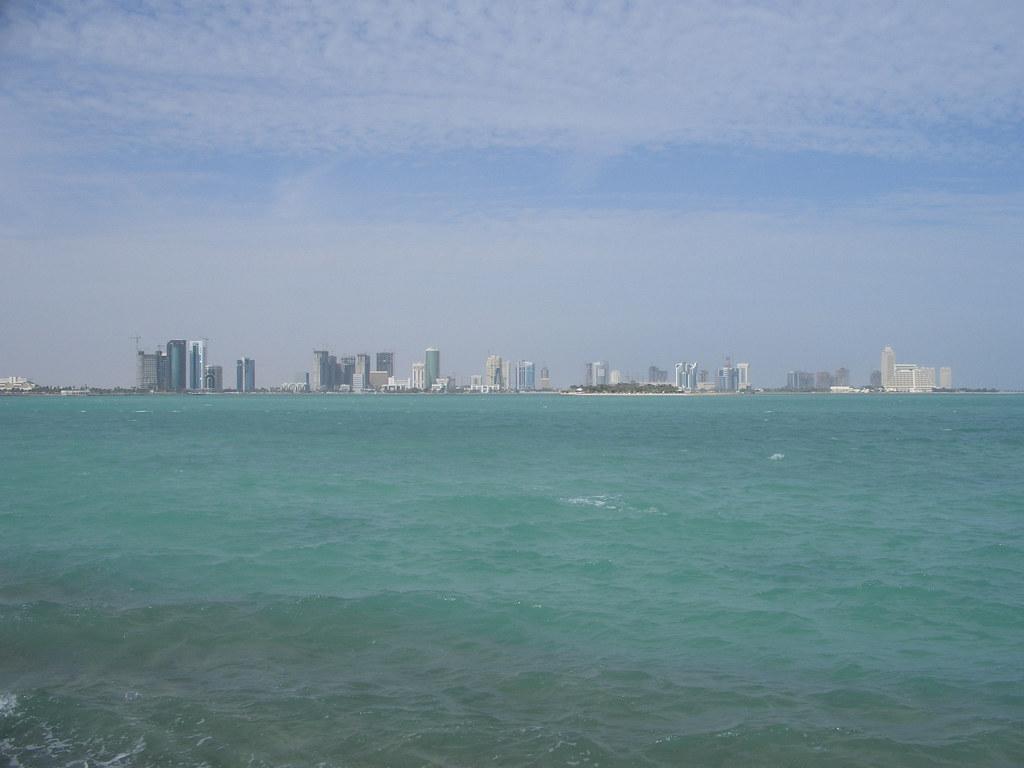
Doha continues to manage infrastructure built over successive phases of city growth that began decades ago and accelerated with national development targets.
These projects matter at this moment because population pressures and commercial activity keep testing the capacity of existing networks across the capital. Planners have responded by sequencing upgrades rather than reacting to sudden shortfalls, a pattern visible in how transport corridors and service lines were laid out in earlier master plans.
Shifts That Shaped Present Networks
Early investment concentrated on linking the historic core with newer districts to the west and north, creating the basic grid that still carries daily traffic. Later phases added redundancy in power and water delivery after officials observed strain during peak summer demand. Each round of work drew on lessons from the previous one, producing the layered system now in place rather than a single comprehensive overhaul.
Regional economic changes also influenced priorities, as officials balanced local needs against wider Gulf connectivity goals. Funding cycles followed national budgets tied to energy revenues, which allowed multi-year construction timetables instead of stop-start projects. The result is a city fabric that shows incremental layering rather than abrupt replacement.
Current Considerations for Residents
Maintenance schedules and minor capacity additions remain the immediate focus while longer-term reviews continue inside municipal offices. People living near major corridors can track public notices for lane closures or utility work that follow established rotation patterns. City agencies publish periodic updates on project sequencing so households and businesses can plan around known timelines rather than surprises.
Future steps will depend on the same data-driven reviews that guided earlier phases, with emphasis on extending service life of existing assets before new builds begin.