news
Doha's Infrastructure Projects Shape Resident Routines and Neighborhood Ties
City developments continue to influence how people travel, gather and access services in their daily lives.
How we reported this
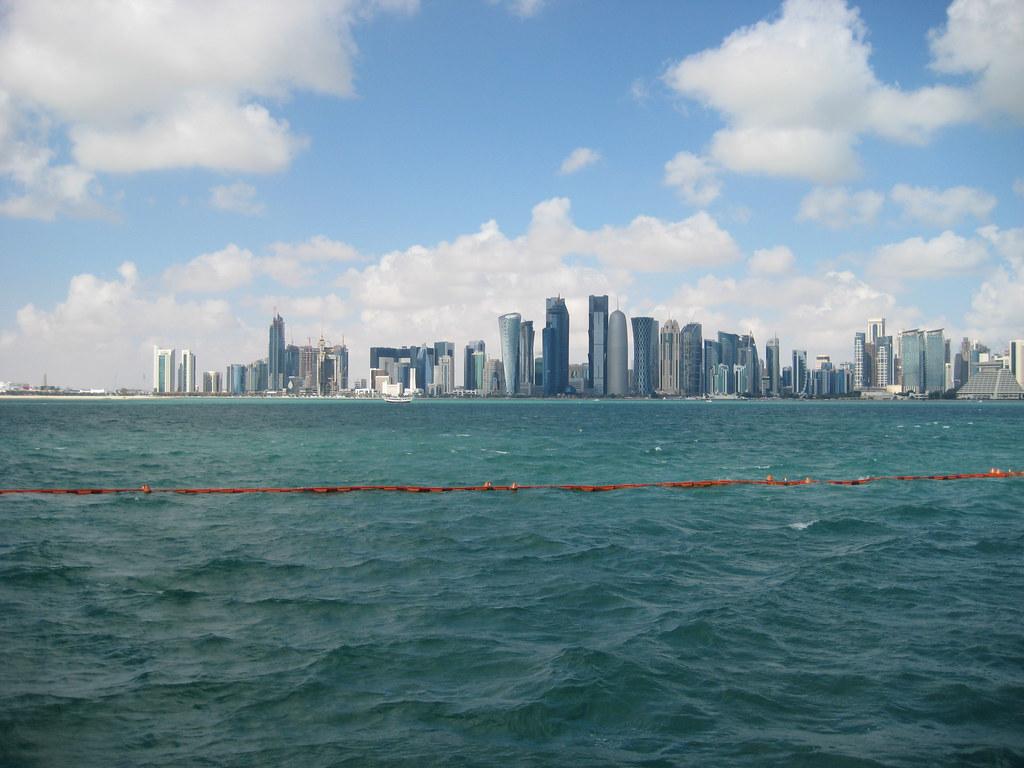
Work on roads, transit links and public spaces in Doha keeps altering the way residents reach jobs, schools and markets each week. Families report spending different amounts of time on commutes depending on which routes stay open during upgrades.
These changes arrive as the city grows and households adjust their habits around construction zones and new facilities. The timing matters because daily travel patterns and community events now depend on how quickly crews finish sections of work and reopen lanes.
Effects on movement and local gathering spots
Residents describe longer waits at certain intersections while crews lay new pipes or widen carriageways. Others note that once sections reopen, travel to central markets or parks becomes quicker than before the work started. Parents say school runs change when temporary diversions appear near residential blocks.
Public spaces near upgraded corridors see shifts in use as well. People who once walked short distances to meet neighbors now plan routes around active sites, which can reduce spontaneous gatherings until pathways stabilize. The pattern repeats across multiple districts where projects overlap with established walking routes.
Practical steps residents can take
Local transport apps and municipal notices provide updates on lane closures and alternative paths. Checking these each morning helps drivers and pedestrians avoid the busiest work periods. Community centers sometimes host brief sessions where planners share maps of upcoming phases so households can adjust schedules ahead of time.
Residents who track progress on nearby sites find they can plan weekend errands around completed stretches rather than guessing at delays. This approach reduces frustration during longer construction seasons and keeps routines more predictable as work continues.