news
Voices from Doha on Infrastructure: Officials and Experts Weigh In
Amid ongoing urban developments, key figures in Doha discuss the city’s infrastructure trajectory and challenges.
How we reported this
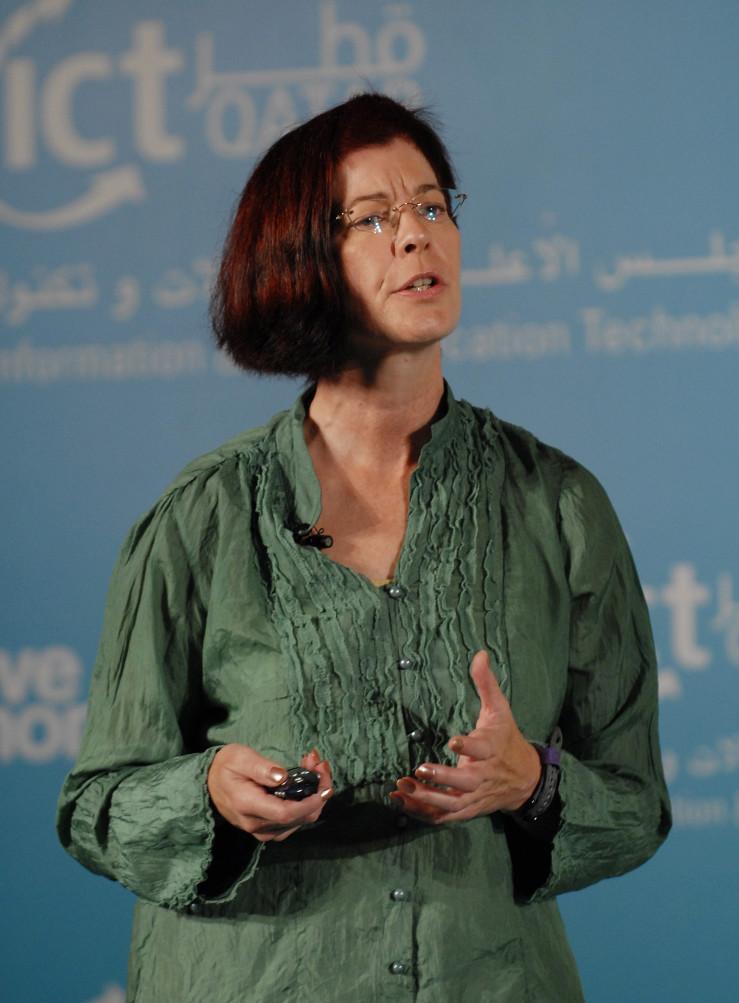
Doha’s evolving infrastructure projects have prompted officials, experts, and local leaders to engage in a broad conversation about the city’s future development. While there is no new single announcement currently, city leaders and urban planners continue to evaluate the trajectory of transportation, housing, and public works initiatives to meet the demands of a rapidly growing population.
Why Infrastructure Matters Now
The urgency around infrastructure stems from Doha’s steady expansion over the past decade. The city’s growth has accelerated the need for enhanced transport networks, sustainable housing, and upgraded utilities. Urban officials are under pressure to ensure infrastructure supports both the local population and the inflow of international business and tourism. Managing this growth efficiently is critical for maintaining Doha’s economic competitiveness and residents’ quality of life.
Experts have highlighted the necessity to integrate technological innovation with urban planning, aiming for smart city features that can reduce congestion and improve resource management. Meanwhile, the government’s ongoing investments in public transportation, including expansions of the metro network, underscore the importance of sustainable transit options to reduce road traffic.
Local Perspectives on Development Challenges
Within Doha, neighbourhoods such as Al Sadd and Old Airport have seen significant transformation, reflecting broader ambitions for mixed-use developments combining residential and commercial spaces. Officials stress that infrastructure projects must be tailored to existing urban footprints to avoid disruption while enhancing accessibility.
Another focus is on the district of Lusail, where ongoing developments require sophisticated planning to balance rapid construction with environmental impact considerations. City planners have noted that public feedback forums and expert panels are integral to shaping projects that align with residents’ needs and Qatar’s environmental goals.
Though no exact numerical data or dates were provided in recent public briefings, the discourse around infrastructure underscores a qualitative consensus: Doha’s infrastructure must evolve in ways that are sustainable, future-proof, and inclusive.
Moving forward, city authorities are expected to maintain engagement with stakeholders-including private sector developers, urban designers, and the community-to refine construction timelines and investment priorities. Residents are encouraged to participate in public consultations and stay informed about upcoming projects through official city channels to understand how developments may affect their neighbourhoods and daily lives.