lifestyle
Expats Find Tax-Free Retirement Haven in Doha's Best Neighborhoods
For expats and foreign nationals planning their later years, Doha offers a tax-free, budget-friendly alternative-if you pick the right neighbourhood.
How we reported this
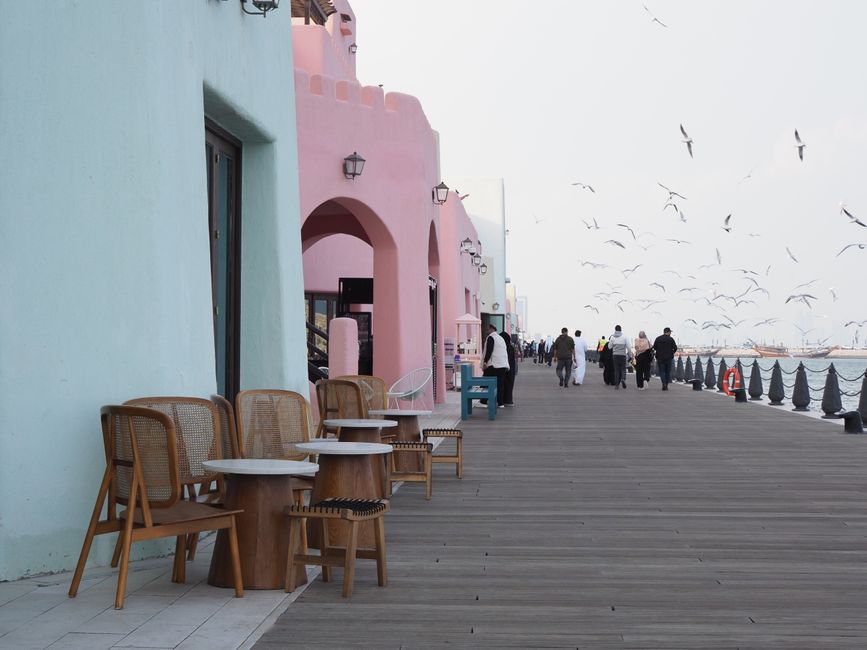
Retirement planning in Doha looks different from anywhere else in the Gulf. With no local income tax, a realistic mid-range monthly budget of between $2,500 and $3,500, and designated property zones where foreign nationals can buy real estate, the city draws retirees who want their savings to go further. But the real texture of retirement here reveals itself in the quiet suburbs, the Saturday morning souq trips, and the decision to live near the water or further out where life slows down.
Why Doha Works on a Fixed Income
Qatar imposes no local income tax on individuals, meaning pension income drawn in Doha is not taxed locally, though home-country tax obligations may still apply. For a retiree living on a public or private pension from overseas, that can make a significant difference to monthly spending power. A realistic mid-range retirement budget-covering housing, healthcare, food, and transport-has been estimated at between $2,500 and $3,500 per month, according to figures from the Gulf-based financial site The Gulf Money. That range is competitive with many major cities in Europe and North America, and the absence of income tax is a major factor in keeping the cost of living manageable.
Property Rules and Residency: Where Foreign Nationals Can Buy
Foreign nationals can own property in designated zones such as The Pearl-Qatar, Lusail, and Qetaifan Island North to secure residency. That matters because the minimum retirement age in Qatar is 50 for males and 45 for women, but pension and social insurance plans are exclusively for nationals. Expats must plan privately, without access to the state system. Buying a home in one of the designated freehold areas can unlock a residency route that gives a retiree the legal stability to stay long-term. Lusail, the sprawling planned city north of Doha, is increasingly popular among retirees who want modern apartments and access to the marina, while The Pearl-Qatar offers a walkable, mixed-use environment that feels like a coastal village within the city.
Al Wakra: The Slow-Paced Alternative for a Community Feel
For retirees seeking a community feel and a slower pace, the coastal town of Al Wakra is a recommended alternative. Located about a 30-minute drive south of Doha, Al Wakra retains a small-town character with its traditional fishing harbour, restored souq, and a string of beachside cafes. A two-bedroom apartment in Al Wakra is available from QAR 8,000, according to listings reviewed by Expat Exchange. That price point is notably lower than comparable units in the Pearl or Lusail, and the proximity to Doha means you are never far from the city's hospitals, cultural institutions, and airport. For a retiree who values a village atmosphere over high-rise views, Al Wakra offers a practical trade-off.
What Comes Next: Planning Without a State Safety Net
The practical advice for anyone considering retirement in Doha boils down to this: plan privately and early. Since the state pension system excludes foreign nationals, retirees must rely on personal savings, overseas pensions, and investment income. The $2,500-$3,500 monthly budget provides a realistic benchmark for a comfortable lifestyle, but the exact figure depends heavily on housing choices-a two-bedroom in Al Wakra versus a marina-front apartment in the Pearl. Anyone approaching retirement should factor in healthcare costs, annual residency visa fees, and the potential impact of home-country taxes. For those who choose carefully, Doha offers a secure, tax-friendly base for the later years, with a pace of life that can be as quiet or as connected as you want it to be.