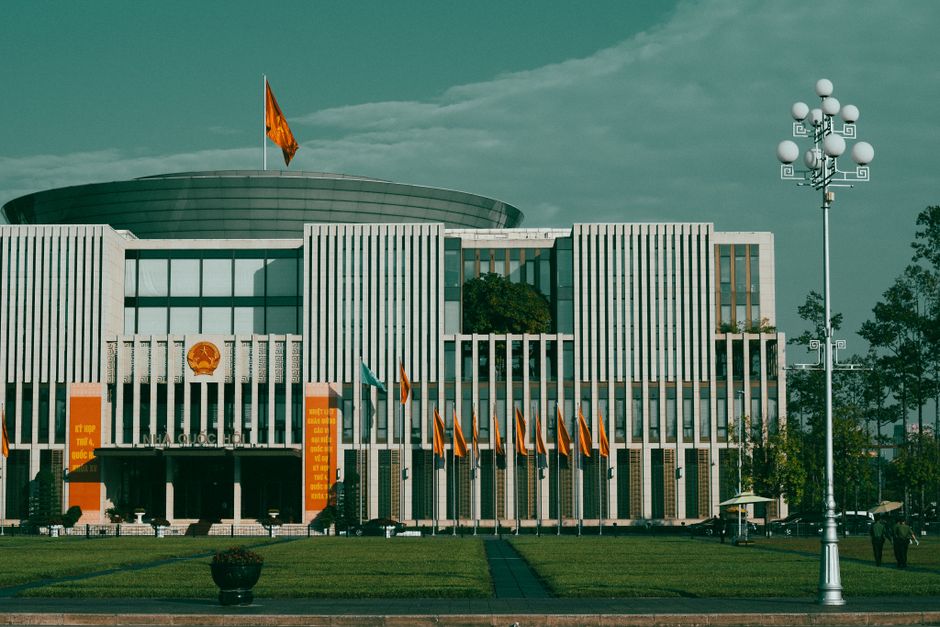
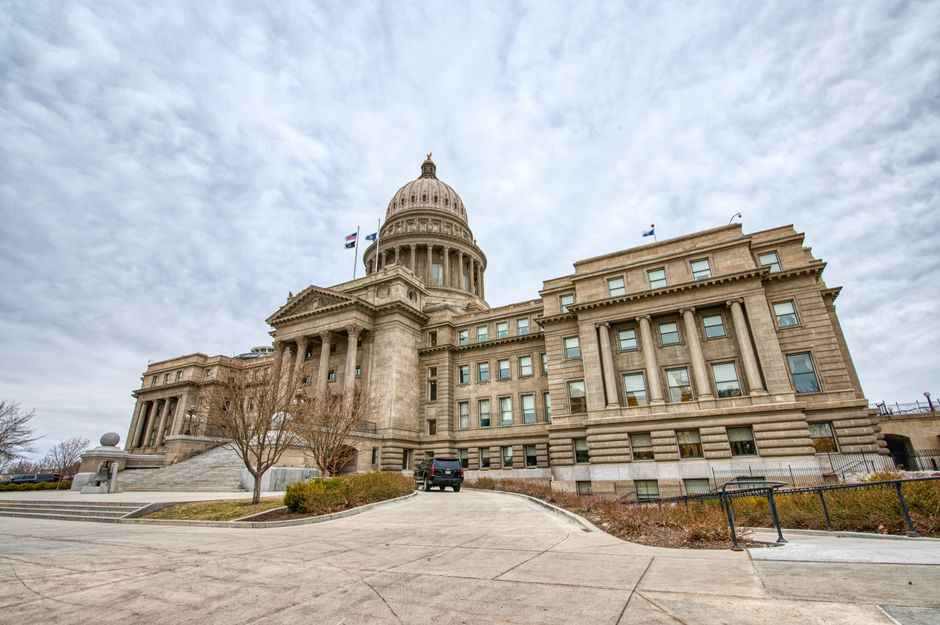
Qatar's Federal Ministry of Administrative Development, Labor and Social Affairs announced sweeping changes to its foreign worker visa framework on Thursday, marking the most significant policy shift in three years. The new regulations, effective August 15, will require employers across Doha to renew sponsorships for all migrant workers on a biennial schedule instead of the current three-year cycle, effectively tightening control over the country's 1.9 million foreign residents.
The timing matters. Officials cited labor market volatility and the need for "enhanced workforce stability" in justifying the move, though the announcement arrives as federal authorities manage competing pressures: maintaining Doha's growth as a global business hub while addressing long-standing complaints from worker advocacy groups about contract enforcement. The ministry did not respond to requests for comment on whether the policy responds to recent international criticism.
What Changes for Doha's Workforce
Workers and employers in West Bay's central business district and around the Industrial Area—home to Qatar's largest construction and logistics companies—will feel the immediate impact. Under the previous system, a migrant worker could secure a three-year visa sponsorship, renew it once, and theoretically remain employed for six years with minimal administrative intervention. The new biennial requirement means file reviews every 24 months.
The ministry also mandated that employers file updated employment contracts with the Labor Department's Doha office on Al Corniche Street within 30 days of any salary adjustment, even cost-of-living increases. Previously, minor wage changes did not require formal notification. "This creates significant paperwork for companies, but it gives workers documented evidence of salary terms," said one employment law specialist based in Doha, speaking on background.
The policy affects an estimated 780,000 workers in private-sector roles across Doha—roughly 41 percent of the emirate's foreign workforce, according to the latest available federal labor statistics from March 2026. Domestic workers, nurses, construction laborers, and hospitality staff face the most administrative complexity under the new rules.
Data and Real-World Impact
Processing fees for renewal applications are increasing to 450 QAR per worker, up from 300 QAR under the old system. For a mid-sized company in the Lusail district managing 200 foreign employees, that translates to an additional 30,000 QAR annually—roughly 8,200 USD. Larger employers with staffing in the thousands will absorb substantially higher costs.
The federal announcement includes one offsetting measure: a dedicated fast-track processing window at the Labor Department's New Doha office on Salwa Road, open Sundays through Thursdays from 7 a.m. to noon, promises 10-day turnarounds for renewal applications. Standard processing previously took four to six weeks.
Worker protections also expanded on paper. Employers must now provide written notice 60 days before any visa non-renewal, up from the previous 30-day requirement. The ministry also created a dispute resolution process at its headquarters near the Corniche where workers can challenge employment terminations without immediately losing visa status—a significant change affecting worker mobility within Doha's job market.
Here's what residents need to do: Foreign workers should request updated employment contracts from their employers immediately and retain copies. Employers should begin gathering staff files now and contact the Labor Department's renewal unit to schedule processing appointments for July, before the August 15 deadline creates backlogs. Human resources departments at major firms in the Pearl district and Business Bay should flag the new 30-day contract notification requirement to finance teams handling payroll adjustments.
The federal shift reflects broader questions about Doha's approach to managing rapid growth. These changes will shape hiring decisions, employment costs, and worker protections across the city for years ahead.