culture
Doha's Historic Landmarks Reveal Qatar's Journey From Pearling to Modernity
From humble pearling origins to the city's modern transformation, explore the sites that define Qatar's capital.
How we reported this
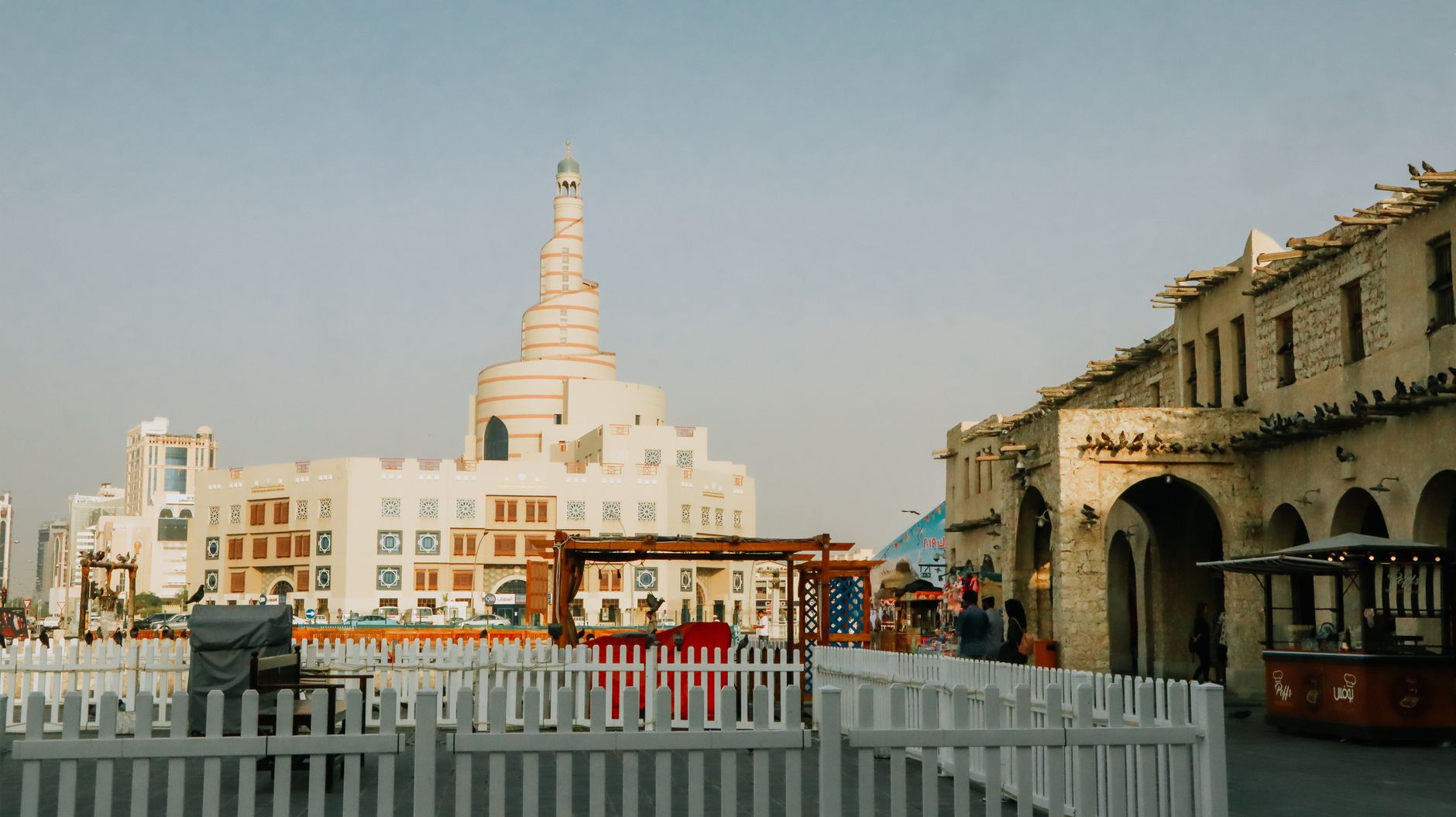
Doha occupies a unique place in the history of the Arabian Peninsula, having evolved from a modest fishing and pearling village in the 1820s into a central urban landscape. Originally established as an offshoot of Al Bidda, the area witnessed significant political shifts throughout the 19th century. Following the destruction of the village in 1867, Muḥammad ibn Thānī Āl Thānī was installed as the ruler in 1868. By 1971, upon the country's independence from British protection, Doha was officially designated as the capital of Qatar.
Preserving the Historic Heart
Visitors seeking to understand the city's roots should prioritize the Msheireb district. Recognized as the historic heart of Doha, this area contains locations where residents traditionally drew water from a well until approximately 1926. Today, the restored district serves as a bridge between the city's past and its present. Another essential stop is Al Koot Fort, which was constructed in 1880. Once a defensive structure, it has been repurposed as an ethnographic museum where visitors can examine artifacts that reflect the cultural heritage of the region.
Defensive Landmarks and Economic History
The city's architectural legacy includes the 18th-century Al Wajbah Fort. This location is historically significant as the site of the 1893 battle against the Ottomans. Beyond its defensive history, Doha’s economic trajectory shifted dramatically during the 20th century. The pearling industry, which had peaked between 1890 and 1910, collapsed during the 1920s due to overfishing, the rise of Japanese cultured pearls, and the impact of a global recession. For years, the economy faced immense pressure until the discovery of oil at Dukhan in 1940.
The Modern Transformation
The first exports of oil in 1949 catalyzed a period of rapid development and demographic expansion. Data indicates that the population grew from 20,000 residents in 1951 to 80,000 by 1975. This transformation eventually accelerated further with the North Field natural gas boom in the 1990s, which solidified the city's role as a major centre. For those planning a visit, exploring these established landmarks offers a clear view of how Doha transitioned from a localized pearling settlement to its current stature. Information regarding these sites is available through the official Qatar Tourism portal and the Ministry of Culture, providing context for the deep history embedded in these traditional structures.
Produced with AI assistance and reviewed against our editorial standards. Sources are linked where available. Spotted an error or need a correction? Contact corrections@dailynetwork.news.