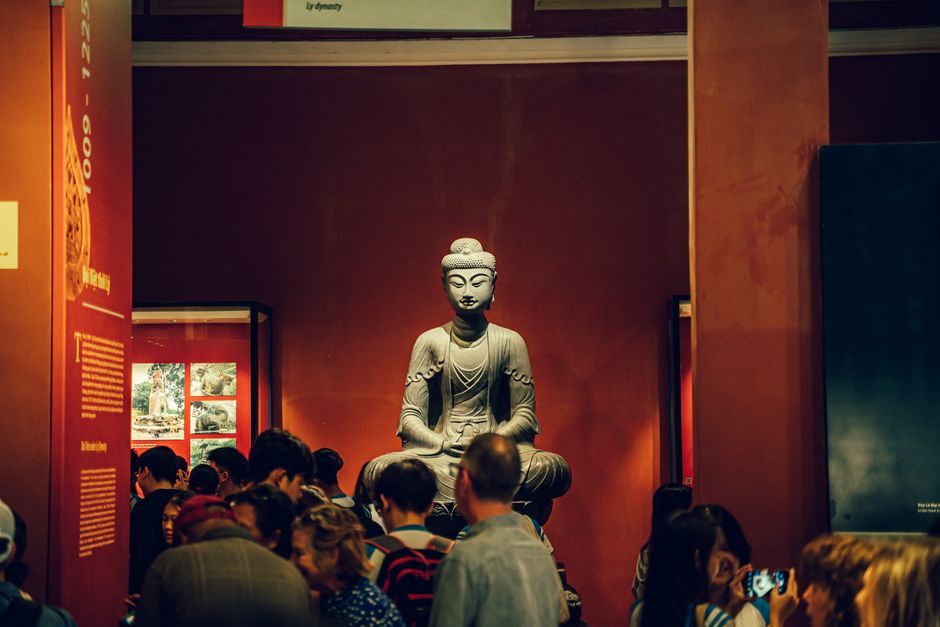
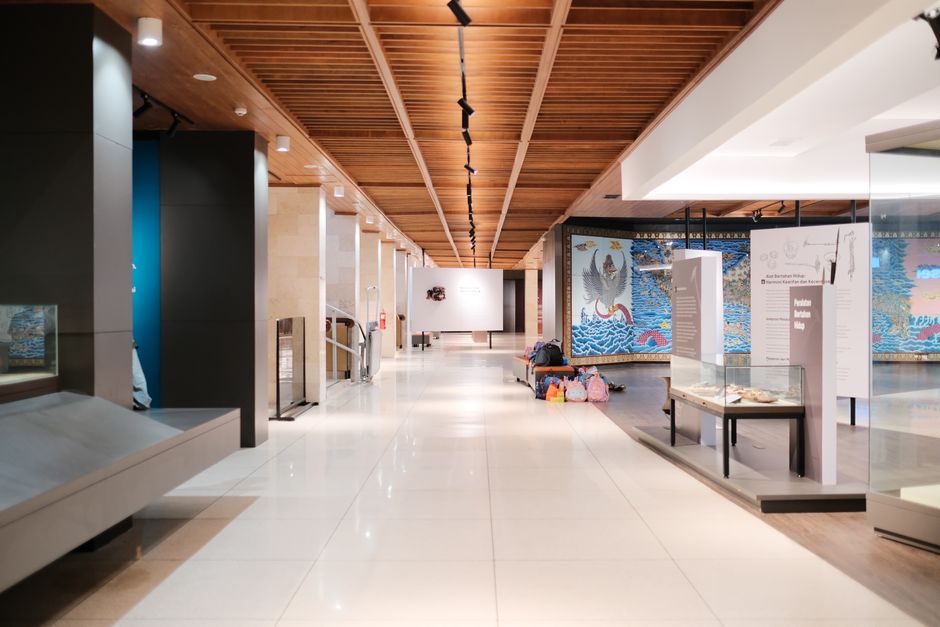
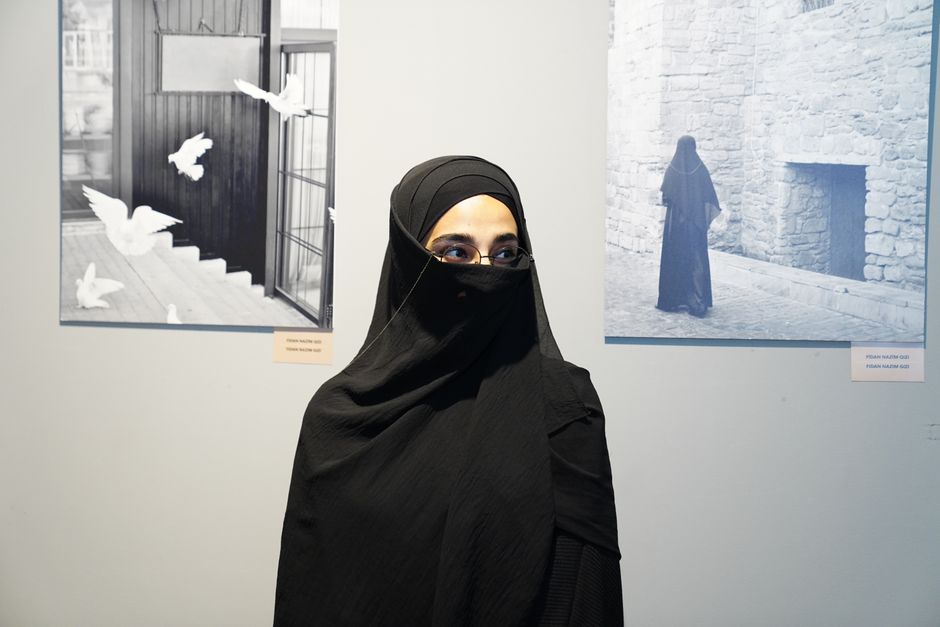
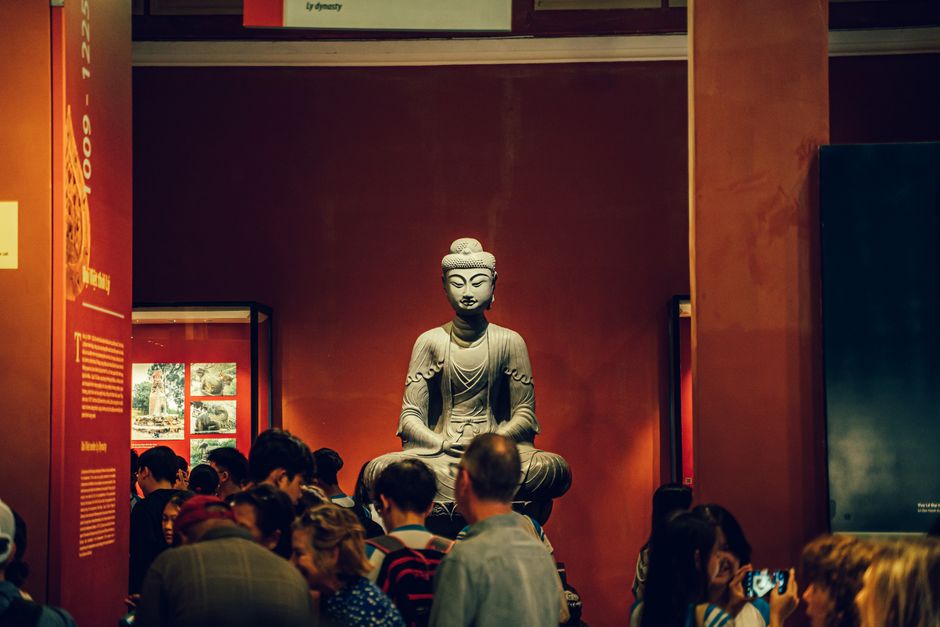
The thermometer hit 49 degrees Celsius on the Corniche yesterday. Most of Doha retreated indoors. But at the Mathaf: Arab Museum of Modern Art on Oxygen Street, the opening of "Ephemeral Territories: Urban Futures Across the Arabian Gulf" drew queues by mid-morning, with visitors spending three hours inside the climate-controlled galleries examining large-scale photographs and video installations exploring how Gulf cities are reshaping public space.
The exhibition opening is emblematic of what curators and venue operators are calling a watershed moment for Doha's cultural calendar. Rather than programming major events around the cooler autumn months, galleries, theatres and cultural institutions are now deliberately scheduling significant launches during July and August-betting that air-conditioned venues and international visitors escaping heatwaves elsewhere will sustain audiences through the brutally hot season.
"We used to close early or reduce programming between June and September," said Noor Al-Marri, head of programming at the National Museum of Qatar on Corniche. "That assumption no longer holds. We have families visiting for the entire summer who want something to do beyond shopping malls." The museum extended its hours to 10 p.m. starting this week and added evening gallery talks three nights a week at 8 p.m., when temperatures dip below 40 degrees outside.
The Doha Film Institute's annual summer retrospective kicked off on June 28 with four weeks of screenings at the Novo Cinemas in The Pearl. This year's focus-contemporary cinema from Mediterranean and Middle Eastern directors-attracted such strong advance bookings that organisers added a 9 p.m. weekend slot for films that had been scheduled only at 7 p.m. Ticket prices hover around 60 Qatar riyals (16 dollars), marginally higher than winter programming, but attendance figures suggest locals view it as worth the premium.
Where the Real Action Is Happening
The Fire Station Artist Community, the converted industrial space in Al Manara that has become Doha's epicentre for experimental work, is hosting a month-long residency starting July 10 featuring a collective of eight emerging artists from across the Levant, Iraq and the UAE. Daily studio hours run 4 p.m. to 10 p.m.-a deliberate scheduling choice that allows locals to visit during evening humidity rather than daytime heat. Entry is free. The collective will stage a public performance on July 25 combining spoken word, installation and live music, and that event alone has already generated discussion in Doha's arts WhatsApp groups about whether experimental theatre can gain traction in a city historically dominated by commercial touring productions.
Across town, at the Qatar National Theatre on the Corniche, a three-week residency by a contemporary dance company from Berlin begins July 15. The troupe will work with local dancers and choreographers on a new piece exploring themes of displacement and adaptation-subjects that have acquired particular urgency given the global instability dominating headlines. The company holds open rehearsals on July 18, 19 and 20 at 6 p.m., a format designed to demystify the creative process for audiences unfamiliar with experimental dance.
Numbers That Tell the Story
Visitor numbers to Doha's major cultural institutions jumped 34 percent in June 2026 compared to June 2025, according to figures compiled by the Doha Cultural and Heritage Authority. The spike surprised even seasoned administrators. Weekend attendance at the Arab Museum of Modern Art reached 2,847 visitors on Saturday last week-a record for the summer season over the past five years. Gallery staff say the demographics have shifted too: more UAE visitors (around 23 percent of June audiences, up from 12 percent in 2024) and more visitors from Saudi Arabia, suggesting the entire region now views Doha's air-conditioned cultural venues as summer destinations rather than off-season afterthoughts.
If you're planning a visit to any of these venues, book tickets online before 2 p.m.; ticket windows and advance purchases get snarled as the evening cools down and crowds arrive. Bring a light shawl even though venues are heavily air-conditioned-the temperature differential between outside and inside can trigger discomfort. The Corniche Walk remains the most popular evening activity after 8 p.m., when temperatures make outdoor strolling tolerable, and most cultural venues are clustered within a 15-minute drive of it.