finance
Geopolitical Tensions Reshape Doha's Startup Landscape and Business Opportunities
How Middle East geopolitical tensions are reshaping opportunities and risks for local businesses and entrepreneurs in Doha.
How we reported this
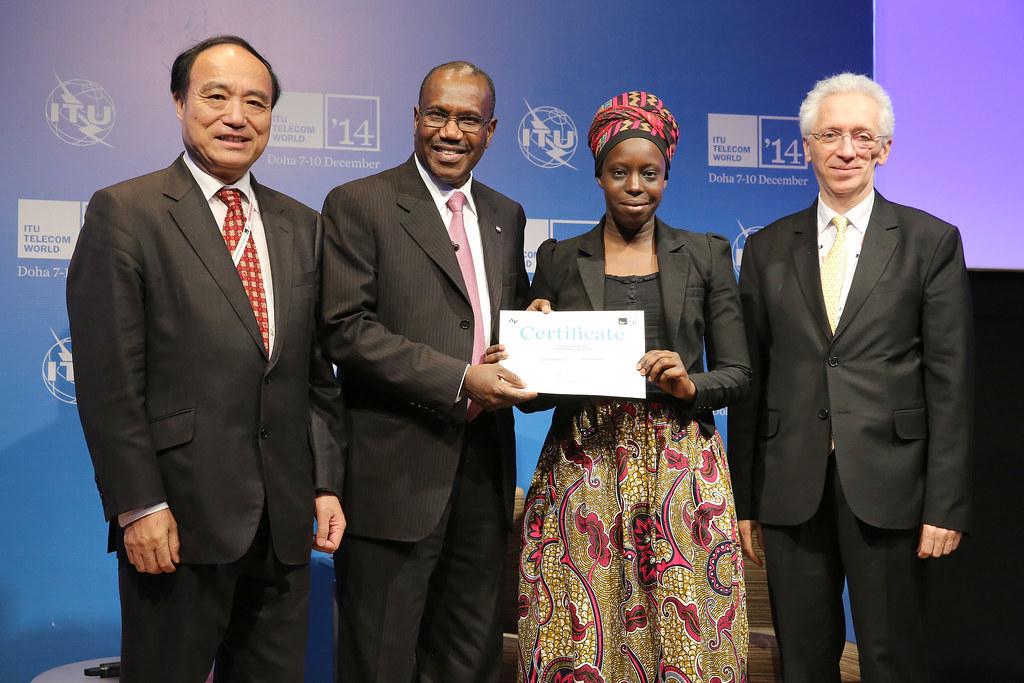
Doha’s startup ecosystem is feeling the direct impact of heightened global uncertainties, driven largely by escalating conflict between the United States and Iran and renewed tensions around the Strait of Hormuz, a critical artery for energy shipments. As U.S. and Iranian forces exchange strikes and the Strait remains a geopolitical flashpoint, local innovators are confronting fresh challenges and reconsidering strategies amid shifting regional dynamics.
Why Global Conflict Matters to Doha’s Business Environment
The Strait of Hormuz is a pivotal chokepoint in global oil supply chains, and current flare-ups between American and Iranian military forces have reignited fears of disruptions in Gulf energy exports. For Doha, a hub with extensive investments in energy-based industries and an expanding technology sector, these security concerns introduce layers of uncertainty. Investors and entrepreneurs must now grapple with the possibility of supply bottlenecks, elevated operational risks, and fluctuating market conditions. This context is particularly urgent as foreign capital typically moves cautiously in regions experiencing instability.
Local innovation hubs like the Qatar Science & Technology Park (QSTP) and startup accelerators scattered across the city’s Lusail and West Bay districts are closely monitoring these developments. Many startups in software, logistics technology, and energy tech sectors are revisiting risk mitigation plans. The geopolitical tension underscores the strategic importance of fostering resilience and diversifying collaborations beyond traditional Gulf markets.
Signs of Adaptation and Challenges on the Ground
Within Doha, the aftermath of escalating U.S.-Iran tensions is evident in cautious sentiments among venture capital circles and innovation stakeholders. While new business registrations at the Qatar Financial Centre had been climbing steadily in recent years, anecdotal accounts suggest a pause in decision-making from investors wary of regional instability. Entrepreneurs report delays in foreign partnerships and a reallocation of resources toward defense-grade technologies and supply chain security software.
Stakeholders see an opportunity for homegrown tech solutions to address emerging security-related demands. Efforts to integrate more robust digital infrastructure in logistics and energy management are gaining traction through government-funded innovation grants that aim to build local capacities less dependent on foreign inputs prone to disruption.
Although exact data on Doha's startup funding flows amid the current geopolitical tensions is not publicly available, industry observers note that the global strategic environment has shifted investor priorities. Companies with agile business models capable of rapid adaptation to shifting regional security situations are better positioned to attract resources. This qualitative assessment reflects a common theme in markets entangled with complex geopolitical risks such as those affecting the Gulf today.
For Doha’s burgeoning tech entrepreneurs and innovation leaders, the critical path forward involves balancing risks while leveraging the city’s deep financial resources, established infrastructure, and expertise developed through events like the FIFA World Cup legacy initiatives. Building stronger ties with international innovation networks outside the immediate Gulf region may also provide a buffer against regional volatility.
This article is general information only and is not personal financial or investment advice. Consider your own circumstances and seek licensed professional advice before making financial decisions.