Business
Doha's Mid-Year Market Pulse: What Businesses Need to Know Right Now
Office rents are climbing, retail footfall is shifting west toward Lusail, and a tightening labour market is forcing employers to move fast.
4 min read
Updated 27 min ago
Business
Office rents are climbing, retail footfall is shifting west toward Lusail, and a tightening labour market is forcing employers to move fast.
4 min read
Updated 27 min ago
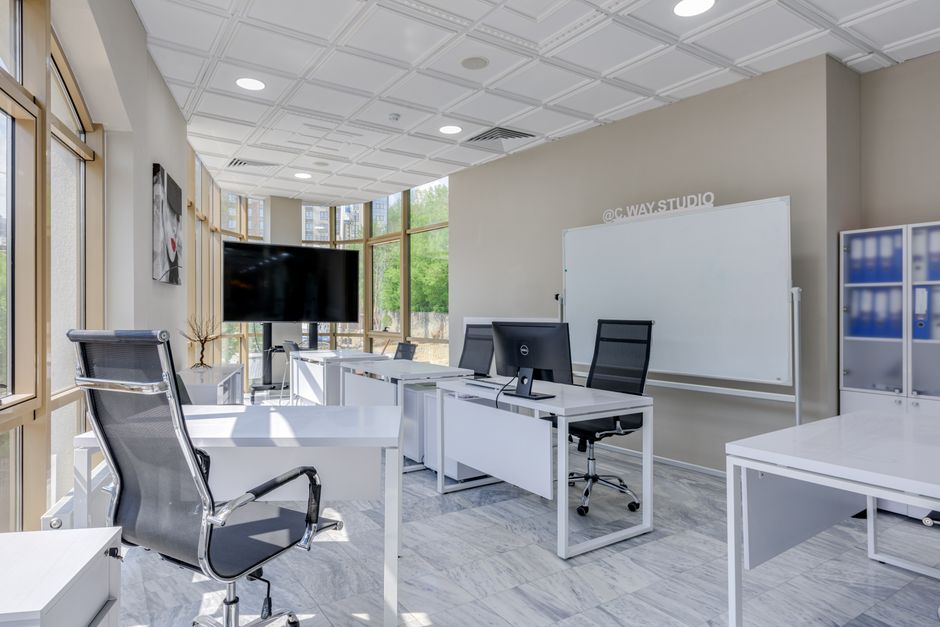
Commercial rents in Doha's Grade A office towers rose an average of 11 percent in the first half of 2026, according to figures circulated this week by the Qatar Real Estate Regulatory Authority, pushing the cost of prime space in West Bay above QAR 190 per square metre annually for the first time since the post-World Cup correction of 2023. For businesses renewing leases before the end of Q3, the window to lock in pre-escalation rates is closing fast.
The timing matters. Qatar's non-oil private sector has now posted 14 consecutive months of expansion on the PMI index tracked by Qatar Financial Centre, and the economy is absorbing a fresh wave of infrastructure and technology spending tied to the National Development Strategy 2030 implementation cycle. Globally, European political instability, from Russian pressure on NATO's eastern flank to supply chain disruptions connected to ongoing conflict, has nudged Gulf-based multinationals to accelerate their regional headquarters decisions, and Doha is competing hard with Dubai and Riyadh for those mandates.
Lusail City is the clearest winner so far this year. Leasing agents at Retaj Realty reported in June that Marina District towers are running at 94 percent occupancy, up from 81 percent in July 2025, driven largely by financial services firms and regional tech companies. The Qatar Science and Technology Park in Education City signed three new tenant agreements in the second quarter alone, two of them AI-adjacent startups backed by Qatar Investment Authority subsidiaries.
The old Central Business District around Grand Hamad Avenue and the Souq Waqif periphery tells a more mixed story. Smaller retail units under 200 square metres are seeing higher turnover as independent operators struggle with elevated fitout costs, contractors are quoting QAR 950 to QAR 1,200 per square metre for commercial interiors, roughly 20 percent above 2024 levels, partly because skilled trades remain in short supply after a surge in government project starts.
Msheireb Downtown Doha continues to attract premium food and beverage concepts and boutique professional services. Occupancy in the development's commercial podiums sits at 88 percent, and asking rents have not moved significantly because Msheireb Properties has held its pricing strategy steady, making it relatively attractive compared to West Bay's escalating benchmarks.
The jobs picture is genuinely tight at the mid-to-senior level. The Ministry of Labour's June bulletin noted that the ratio of advertised roles to qualified applicants in finance, engineering and digital disciplines dropped to 1.8:1, the narrowest it has been since Q1 2022. Employers who relied on lengthy hiring cycles, four to six interview rounds stretched over eight weeks, are finding candidates accepting competing offers before paperwork is signed.
Firms that have adapted are compressing timelines aggressively. Qatar National Bank's corporate banking division, for instance, now runs a structured two-stage assessment completed within ten business days. Smaller enterprises without dedicated HR teams are increasingly using the Bayt.com platform's Gulf-specific shortlisting tools or engaging Manpower Qatar's Doha office on Al Sadd Street for mid-level search mandates.
On the property side, businesses with lease breaks falling due in September or October should begin negotiations now rather than waiting for Q4, when landlords historically tighten on concessions. Tenants in West Bay towers willing to commit to 36-month terms rather than the standard 24 are still extracting one month's free rent and fitout contribution clauses, leverage that evaporates when demand stays this strong.
The broader signal from the first half of 2026 is straightforward: Doha's economy is running warm, costs are rising across real estate and labour, and the businesses gaining ground are those making decisions on compressed timescales. The second half of the year will test whether demand holds once the summer slowdown passes and regional executives return from August holidays. Most indicators suggest it will.
About this article
Published by The Daily Doha
Spread the word
Daily brief
Free, in your inbox before 7am. Weekdays.